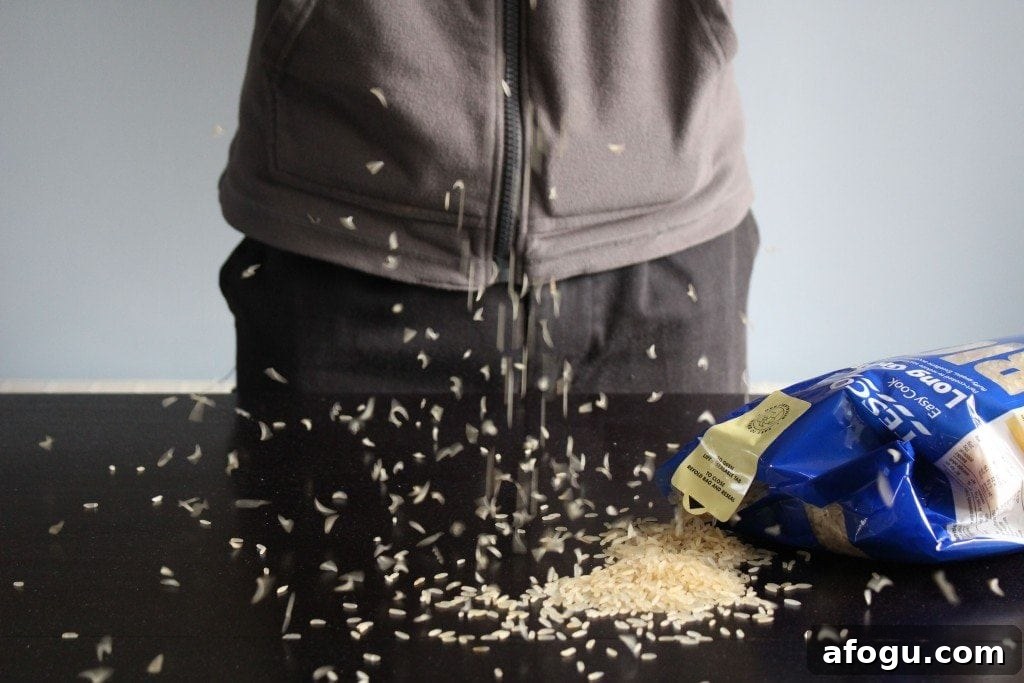
Ditch the rice!
Over the past week there has been growing concern about arsenic in rice and rice-based products. The story surfaced after someone shared a dramatic article in a Facebook group I belong to. Its headline — blunt and alarming — prompted many shares and a flurry of anxious comments from parents wondering what to feed their children instead.
The headline read: “Warning to All Parents: Don’t Let Your Children Eat Rice Cakes.” It was designed to grab attention, and it did. Even without reading the full piece, readers could take away a clear, urgent warning.
Such bold messaging may feel extreme, but it has pushed the issue into public awareness. If it helps reduce children’s exposure to arsenic, the scare may be justified.
So what lies behind the alarm? The original report cited a Swedish news item explaining that the Swedish National Food Agency updated its guidance: children should consume rice and rice-containing products less than four times a week and avoid rice cakes entirely. Adults were advised to reduce consumption as well, especially if they eat rice more than seven times per week.
The concern is that rice contains inorganic arsenic, a known carcinogen. Chronic exposure to inorganic arsenic has been linked to multiple health problems, including increased risk of cardiovascular disease, liver injury, chronic cough, diabetes, and neurological effects. Children are particularly vulnerable to arsenic’s harms.
Another report I read summarized a U.S. study by paediatric environmental health experts from the University of California San Francisco, UC Berkeley, and Dartmouth. Their research found that children who regularly consume large amounts of rice or rice products can be exposed to arsenic levels exceeding limits set for public drinking water in the United States.
Children at higher risk include those who eat rice daily, those from cultural backgrounds with rice-heavy diets, and children whose gluten-free or allergy-restricted diets rely heavily on rice-based foods. Dr. Mark Miller, Assistant Clinical Professor at UCSF and Director of the Western States PEHSU, emphasized that clinicians and parents should be aware that rice and rice-sweetened products can present a meaningful exposure risk.
The researchers recommended that parents consider alternatives when introducing infants to solid foods and, when rice is used, limit it to once per day.
We took this evidence seriously a few years ago and reduced rice in our household. It is entirely possible to limit rice even with dietary restrictions — the “what can I feed them?” question can be solved with some planning and variety.
Below are practical, low-risk strategies we use to avoid rice and reduce arsenic exposure:
- If you do cook rice, choose basmati, which tends to contain less arsenic. Rinse it well before cooking, cook it in at least four times its volume of water, and drain and rinse again when it’s done.
- Make or buy flour blends without rice flour. If you bake with a commercial blend that contains rice, consider reducing that portion by about a third and adding ground almonds to lower the rice content.
- Use alternative grains and starches such as quinoa, millet, buckwheat, teff, potatoes, sweet potatoes, or polenta instead of rice. These provide good carbohydrate options and more nutritional variety.
- Swap rice cakes for corn cakes or other non-rice snacks.
- Explore alternative flours: teff, millet, tapioca, potato starch, gram (besan), sorghum, or oat flours are all options. There are far more grains and flours available than just wheat and rice, and many are more nutrient-dense.
- For breakfast, replace rice-based cereals with porridge, corn-based cereals, or homemade cereal blends like fruit-and-fibre flakes, muesli, or trail mix. Eggs are also a simple, nutritious choice.
- Choose breads with minimal rice content; some specialty bakeries add less rice to their recipes and may fortify with nutrients like calcium, which can matter for those on restricted diets.
- Make cakes using ground almonds or try flourless cake recipes; these reduce or eliminate rice flour entirely.
- Use ground nuts to make pastry for tarts and pies instead of rice-based pastry mixes.
- Make pancakes with gram flour (chickpea flour) or other non-rice flours.
- Prepare homemade snack bars or flapjacks rather than buying processed biscuits. Homemade recipes let you avoid rice-based ingredients and control sugar and fat content.
- Try grain-free bread recipes or look for paleo-style recipes, which avoid rice and other grains altogether.
There are many more approaches I haven’t listed here, but these tips show that cutting down on rice is practical, even for families with special dietary needs. For us, the potential health risks outweigh the convenience of a rice-based diet.
If you’d like to read more, I’ve written previously on topics related to rice and food safety, including discussions about arsenic and gluten-free foods. I welcome your perspectives: how do you handle rice in your household? Please leave a comment below with your experience or suggestions.