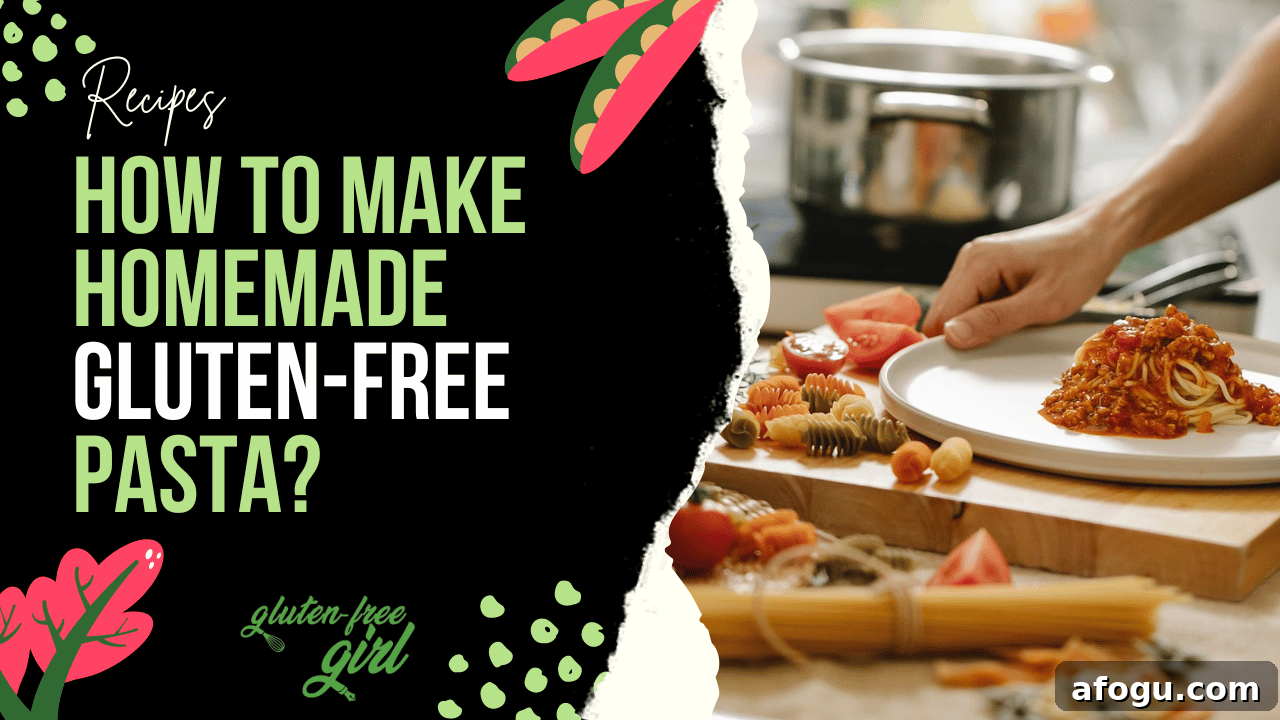
Gluten-free recipes cover a wide range of dishes designed to exclude gluten, the protein found in wheat, barley and rye. These recipes are not limited to swapping breads and pastas; they include appetizers, main courses, desserts and snacks that accommodate people with celiac disease, gluten sensitivity, or anyone choosing to avoid gluten.
Cooking gluten-free often means using alternative flours and grains such as rice flour, corn (maize) flour, quinoa, almond flour and buckwheat. These ingredients provide nutritious options—many are naturally rich in protein, fiber, vitamins and minerals. A balanced gluten-free pasta meal, for example, can include pasta made from rice or corn flour, fresh vegetables for vitamins and fiber, and lean proteins like chicken, tofu or beans to round out the plate.
Preparation times vary by recipe, but many gluten-free pastas cook in a similar window to conventional pasta. Typical serving sizes mirror those of gluten-containing equivalents. Essential kitchen tools for pasta dishes include a large pot for boiling, a pan for sautéing vegetables or proteins, a colander for draining, and basic measuring cups and spoons. A pasta maker or rolling pin is helpful when making fresh pasta at home.
Gluten-free pasta often differs slightly in texture and flavor from traditional wheat pasta. Depending on the base ingredient it can be a bit firmer and offer a mild nuttiness. For many people who must avoid gluten, modern gluten-free pastas provide a satisfying alternative that closely resembles the familiar pasta experience.
| Aspect | Description |
| Gluten-Free Pasta | Made from rice, corn, quinoa or other gluten-free flours instead of wheat. |
| Ingredients | Gluten-free pasta, olive oil, garlic, fresh vegetables (bell peppers, zucchini, spinach), lean proteins (chicken, tofu, beans), herbs and spices. Optional: Parmesan or vegan cheese. |
| Nutrients | Provides carbohydrates from the pasta, protein from added lean sources, fiber and vitamins from vegetables, and healthy fats from olive oil. |
| Calorie | Calorie content varies with ingredients but is generally comparable to traditional pasta dishes. |
| Preparation Time | Approximately 20–30 minutes for a typical pasta meal. |
| Serving Size | Usually serves 2–4 people, depending on portioning. |
| Difficulty | Moderate: requires attention to cooking times and proper handling of gluten-free dough or pasta to avoid overcooking or stickiness. |
For people with celiac disease, gluten-free pasta is essential: it allows them to enjoy classic dishes without risking intestinal damage. The growing variety and quality of gluten-free pastas have made it easier for those with dietary restrictions to eat with confidence and enjoy meals that feel familiar.
What are the Gluten-free Pasta Recipe Ingredients?
Common ingredients for gluten-free pasta dishes include:
- Gluten-free pasta: The primary ingredient, made from rice, corn, quinoa or other gluten-free flours.
- Olive oil: A primary cooking fat that adds flavor and helps carry fat-soluble vitamins.
- Garlic: Adds aroma and depth.
- Vegetables: Bell peppers, zucchini, spinach and similar produce add texture, fiber and nutrients.
- Protein: Chicken, tofu, beans or other lean proteins for balance.
- Herbs and spices: Basil, oregano, salt, pepper and fresh herbs to season the dish.
- Cheese (optional): Parmesan or a vegan, gluten-free alternative for garnish and added richness.
These components are flexible: vegetables and proteins can be swapped to suit seasonality, taste or dietary preferences while preserving a gluten-free profile.
What are the Gluten-free Pasta Recipe Nutrients?
Typical nutrients found in a gluten-free pasta dish include:
- Carbohydrates: Primarily from gluten-free pasta, providing energy.
- Protein: From chicken, tofu, beans or cheese, important for muscle repair and fullness.
- Fiber: From vegetables and whole-grain gluten-free pasta options.
- Fats: Mostly healthy fats from olive oil and cheese, which enhance flavor and aid absorption of fat-soluble vitamins.
- Vitamins and minerals: Vegetables supply vitamin C, potassium, iron and other micronutrients; cheese contributes calcium if used.
Olive oil plays an important role in flavor and nutrient absorption, and fats overall help carry and intensify the dish’s aromas and textures.
What is the Preparation Time for Gluten-free Pasta?
Active prep for a simple gluten-free pasta meal (chopping vegetables, cooking protein, preparing sauce) is typically 10–15 minutes. Cooking times for pasta depend on whether it is fresh or dried and on the brand: fresh gluten-free pasta generally cooks in 2–4 minutes, while dried varieties usually take 7–10 minutes. Follow package directions and test for “al dente” (cooked through but still slightly firm).
Cooked gluten-free pasta stored in the refrigerator in an airtight container will usually keep 3–5 days. Storing pasta and sauce separately helps preserve texture; add a splash of water or sauce when reheating to restore moisture.
Steps to Make Gluten-Free Pasta
Basic steps for making fresh gluten-free pasta at home:
- Mix gluten-free flour with xanthan gum to provide structure and elasticity.
- Beat eggs and combine gradually with the flour mixture to form a dough.
- Knead the dough briefly (3–4 minutes) until it is uniform and cohesive.
- Divide the dough into smaller portions (usually 4) to make rolling easier.
- Wrap portions in plastic wrap to prevent drying while you work.
- Flatten one piece and roll it out by hand to pass through a pasta machine or continue with a rolling pin.
- Run the dough through a pasta machine starting at the widest setting, folding and repeating to build structure.
- Progressively reduce the machine setting to thin the sheet to the desired thickness.
- Dust sheets lightly with gluten-free flour to prevent sticking.
- Cut into shapes, dry briefly if needed, and cook in well-salted boiling water until al dente.
Key technique notes
Xanthan gum helps mimic gluten’s binding and elasticity; accurate measurement avoids overly sticky or crumbly dough. Kneading, folding and passing dough through a pasta machine in stages creates smooth, even sheets. Lightly dusting with gluten-free flour prevents clumping and helps strands or sheets remain separate while cooking.
How to cook and store gluten-free pasta
Use a large pot of boiling water with ample salt. Stir frequently to prevent sticking. Check doneness early—gluten-free pasta can quickly become overcooked. Drain in a colander and serve immediately, tossing with sauce or oil to keep pieces separate. Store cooked pasta in an airtight container in the refrigerator for 3 days; freeze fresh pasta in a single layer and transfer to freezer bags for up to three months.
Other gluten-free pasta recipes
- Gluten-Free Spaghetti Aglio e Olio: Garlic, olive oil, chili flakes and parsley for a simple, flavorful dish ready in ~20 minutes (serves 2–3).
- Gluten-Free Mac and Cheese: Gluten-free elbow pasta in a cheddar sauce, optionally baked with a breadcrumb topping; about 30–40 minutes (serves 4).
- Gluten-Free Pesto Pasta: Pasta tossed with fresh basil pesto made from basil, pine nuts, garlic, Parmesan and olive oil; ~20–30 minutes (serves 2–3).
Recommended products and alternatives
- Gluten-free pasta brands: Many supermarkets carry pastas made from rice, corn or blends—choose brands and varieties you prefer, and follow package cooking times.
- Gluten-free flour mixes: Preblended mixes work well for homemade pasta and baking; some already include xanthan gum.
- Xanthan gum: A small addition improves dough elasticity and texture in many gluten-free recipes.
- Alternatives to pasta: Chickpea pasta, quinoa pasta, rice noodles, zucchini noodles (zoodles) and spaghetti squash are gluten-free options with different textures and nutritional profiles.
Gluten-free pasta and related recipes offer versatility, allowing straightforward swaps to meet dietary needs without sacrificing flavor. With attentive cooking times and the right ingredients, gluten-free pasta can be a satisfying, nutritious part of everyday meals.