
Starbucks is best known for signature drinks like the Pumpkin Spice Latte, Caramel Frappuccino, and the Pink Drink, but is Starbucks gluten-free? Below you’ll find what to be concerned about and how to reduce risk if you plan to order at your local Starbucks.
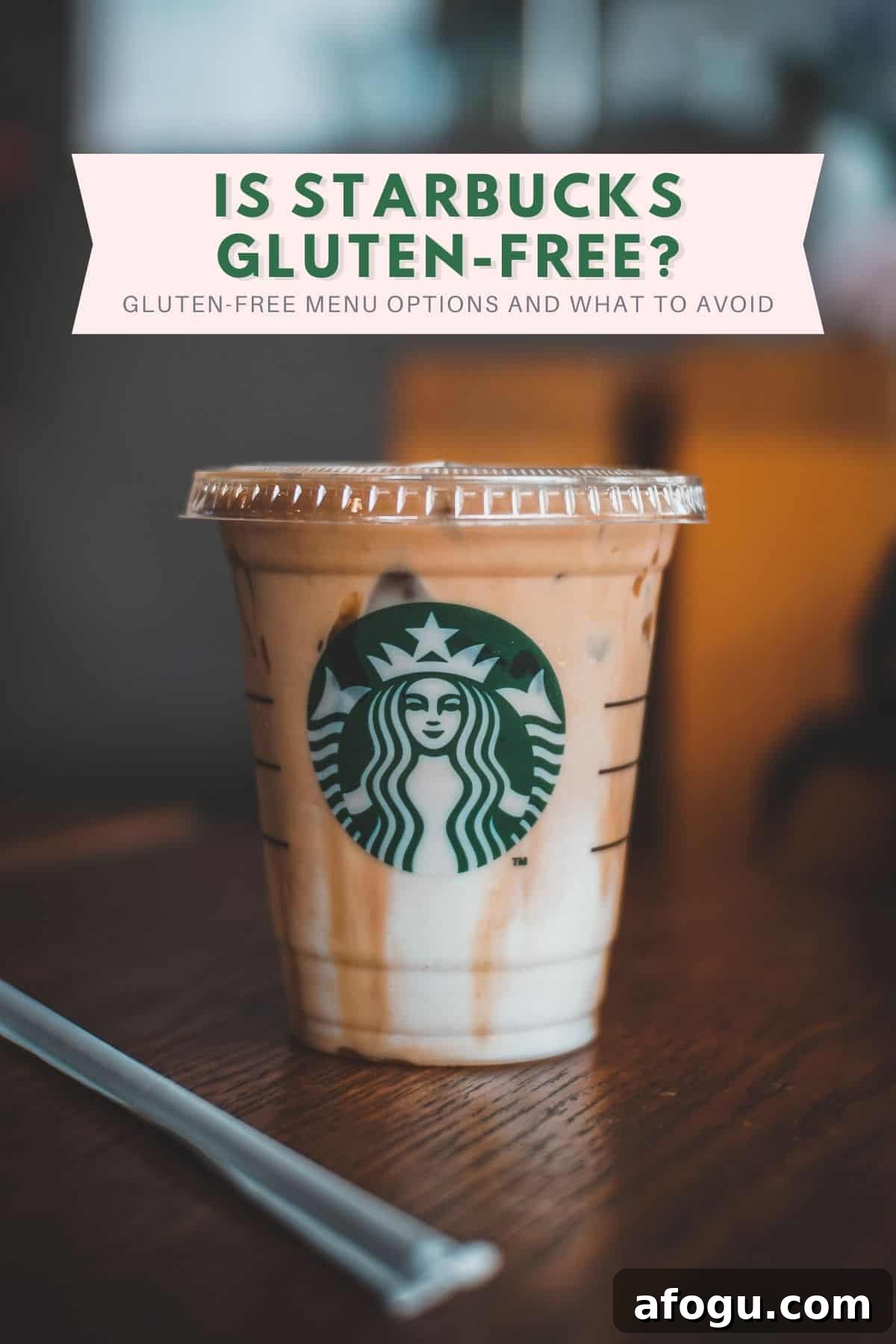
If you follow a strict gluten-free diet because of celiac disease or gluten intolerance, you should take precautions when dining at Starbucks. Many Starbucks beverages contain no gluten ingredients, but the preparation environment involves shared equipment and processes that can introduce cross-contact. With careful choices and clear communication, you can often enjoy a safe drink.
Does Starbucks Have an Allergen Policy?
Starbucks states that customers with food allergies or intolerances should be cautious because stores use shared equipment to store, prepare, and serve products. Packaged products have ingredient labels, and the company provides ingredient information online, but unpackaged items prepared in-store cannot be guaranteed allergen-free.
“We cannot guarantee that any unpackaged products served in our stores are allergen-free because we use shared equipment to store, prepare, and serve them. Customers with allergies can find ingredient information for products on the labels of our packaged products or online at Starbucks.com/menu.”
In short, unless an item is prepackaged and labeled, Starbucks will not declare it free from allergens.
Does Starbucks Have a Gluten-Free Menu?
Starbucks does not offer a dedicated gluten-free menu. Although many drinks do not contain gluten ingredients, the risk of cross-contact is real because stores use shared shakers, blenders, steam wands, and utensils. That shared equipment increases the chance that trace gluten could contaminate otherwise safe items, which is especially important for people with celiac disease.
About This Guide
This guide aims to help you make informed choices at Starbucks, not to list every safe or unsafe item exhaustively. Always check ingredient lists and ask your barista about preparation. With precautions you can minimize risk and enjoy a safer beverage.
Tips for Dining Gluten-Free at Starbucks
Many people with celiac still visit Starbucks, but it helps to be vigilant. These practical steps reduce the chance of gluten exposure:
- Check ingredients online or in the app. The Starbucks app and website list ingredients for menu items.
- Order inside and talk to the barista. Ordering in person lets you confirm preparation methods and request accommodations.
- Assess timing and store busyness. During busy periods, cross-contact risk may be higher. If it’s quiet you’ll have more time to communicate safety requests.
- Ask how the drink is prepared. Drinks made directly in the cup pose less risk than those using shared equipment like blenders and shakers.
- Request drinks made in the cup. Ask that shaken or blended drinks be prepared directly in the cup or poured over ice when possible.
- Ask for freshly washed equipment. Request that tools be washed before preparing your order and explain why it matters.
- Prefer iced versions over steamed milk. Iced lattes are often built in the cup and can be safer than hot lattes made with a steam wand.
- Stick to prepackaged, labeled gluten-free foods. Most baked items are prepared in shared ovens and utensils, so only consume items explicitly labeled gluten-free.
- Tip and build rapport. If staff go out of their way to accommodate you, a tip and repeated patronage can foster better communication and care at that store.
How to Find the List of Ingredients
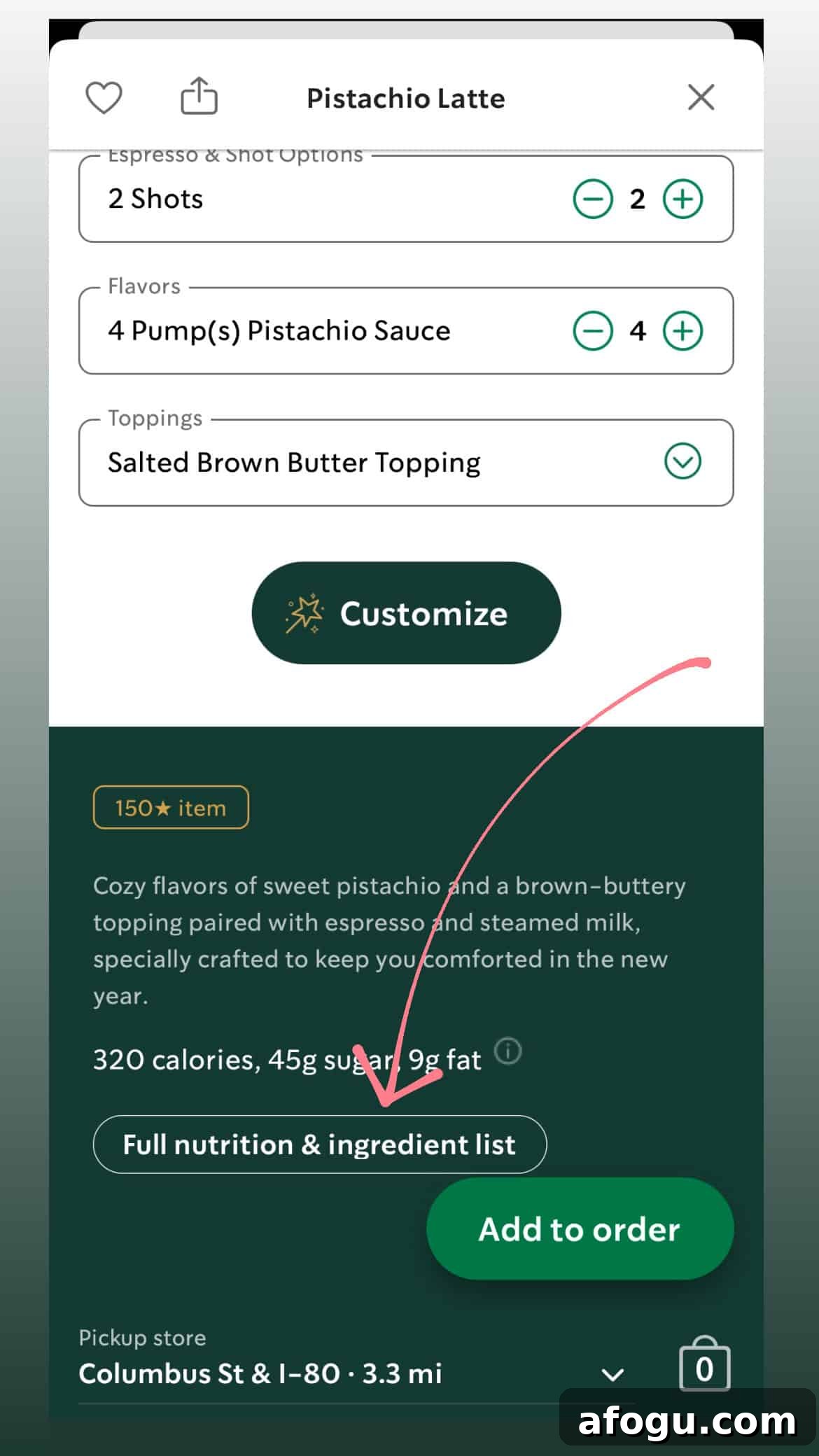
Starbucks lists ingredients for drinks on its app and website. To view them in the app:
- Open the app and go to Order > Pick a store > Tap Menu.
- Tap the drink you’re interested in.
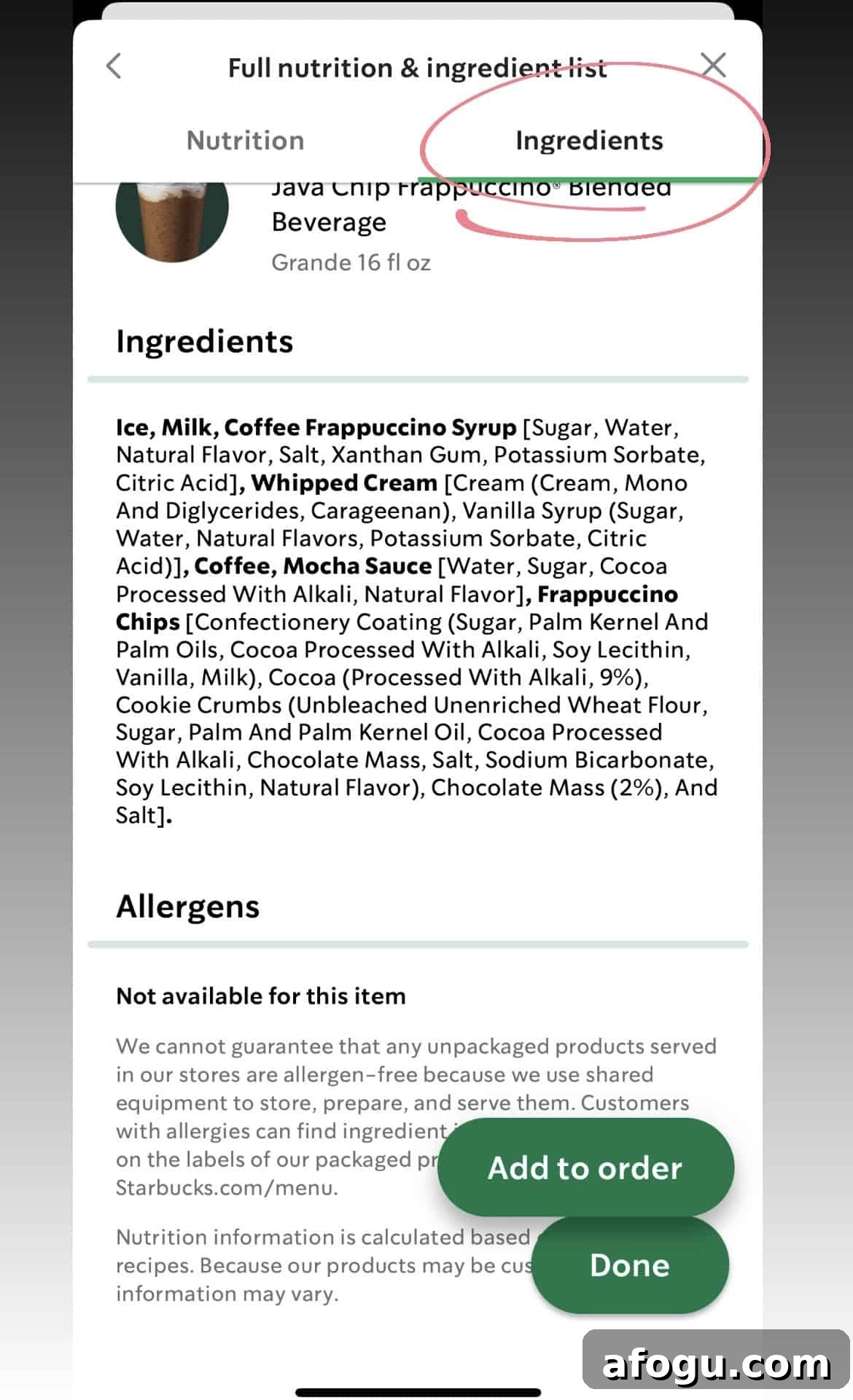
- Scroll to “Full nutrition and ingredient list” and then select the ingredients tab.
Note that ingredient lists apply to base menu items; customizations may not be reflected and should be checked by comparing to another menu item that includes that customization.
Take Note
The ingredients list covers standard menu items but does not automatically update for added customizations. For any modification, check an equivalent menu item that includes the ingredient to confirm whether it contains gluten.
Another Important Tip
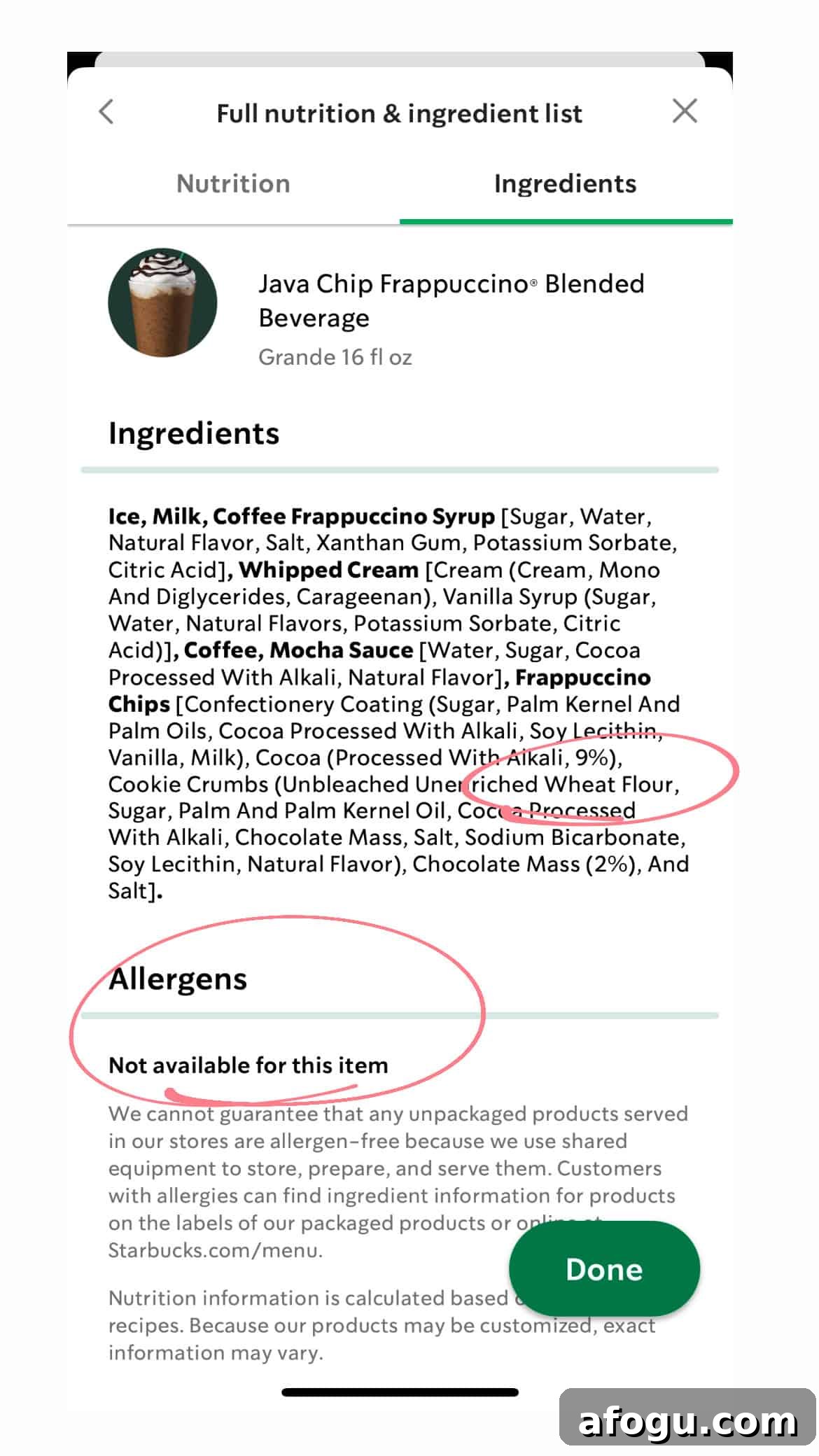
Read the ingredient list carefully. Sometimes allergens appear in the ingredients but are not clearly highlighted in an “allergens” field, so double-check the full list before ordering.
What to Avoid at Starbucks if You’re Gluten-Free
The following items and practices carry elevated cross-contact risk and are best avoided if you need to strictly avoid gluten:
- Anything made in blenders: Blender jars are shared for Frappuccinos and cold foams, increasing cross-contact risk. Examples: Frappuccino chips, Java Chip Frappuccino, Mocha Cookie Crumble Frappuccino.
- Shaken drinks: Shaken espresso, iced tea, refreshers, iced matcha latte, and lemonades use the same shakers as items with gluten or malt powder.
- Steamed-milk items: Drinks made with the steam wand can be contaminated by shared equipment. Oat milk can present an additional concern if you’re sensitive to oats—Oatly is often used and is certified gluten-free, but brands may vary.
- Oven-prepared foods: Most bakery and hot food items are cooked in shared ovens and present a high cross-contact risk.
- Sprinkles and some toppings: These can introduce unnecessary risk for little benefit.
Items that Contain Gluten
Items that currently contain gluten ingredients or obvious gluten sources include:
- Chocolate cold foam
- Java chips
- Frappuccino chips
- Chocolate cookie crumble
- Malt powder (derived from barley)
- Most hot breakfast, lunch, and bakery items
This list can change with seasonal offerings, so always verify ingredients before ordering.
Does Starbucks Caramel Drizzle Have Gluten?
Starbucks ingredient lists have shown that caramel drizzle contains ingredients like sugar, corn syrup, butter, cream, natural flavors, and other typical components. Historical documents suggested the caramel sauce did not contain gluten ingredients, and Starbucks indicates malt powder is derived from barley when present. While natural flavors are noted, there is no clear indication they are derived from gluten-containing grains. For assurance, check the current ingredient list in the app or ask the barista about the product used at your store.
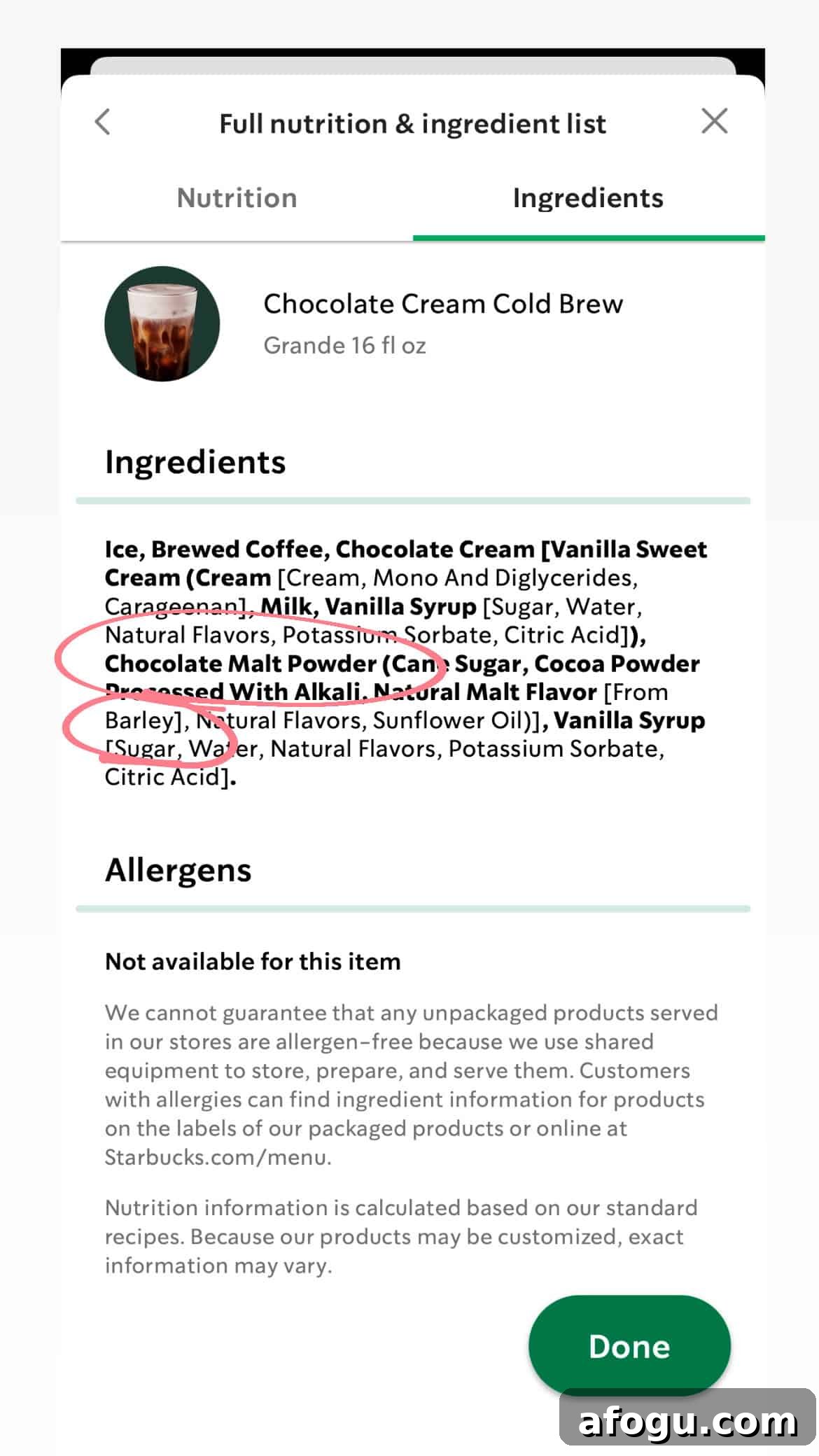
Safest Gluten-Free Drinks to Order at Starbucks
The following drinks are typically made in the cup without shared equipment and are generally lower risk. Always confirm preparation and check customizations:
- Plain brewed coffee, with milk, cream, or syrups
- Plain espresso
- Caffé Americano
- Hot teas (including chai tea bags, not chai lattes)
- Cold brew (without foam)
- Iced Coffee
- Iced Caffé Latte
- Iced White Mocha
- Iced Caramel Macchiato
- Iced Americano
- Iced Flat White
- Iced Chai Latte
- Iced espresso served without shaking
Does Starbucks Have Gluten-Free Food Items?
Starbucks offers some prepackaged items labeled gluten-free, such as a Marshmallow Dream Bar (a Rice Krispie treat) and occasionally certain KIND bars. Most other food items are baked or prepared in shared ovens and utensils, creating cross-contact risk. Only consume foods explicitly labeled gluten-free.
Make Starbucks Copycat Recipes at Home
If you prefer to avoid the risk entirely, many popular Starbucks drinks and treats can be recreated at home with gluten-free ingredients. Homemade versions let you control ingredients and preparation. Examples include iced shaken espresso, brown sugar oat milk shaken espresso, and gluten-free versions of cake pops and cheese danishes.
-
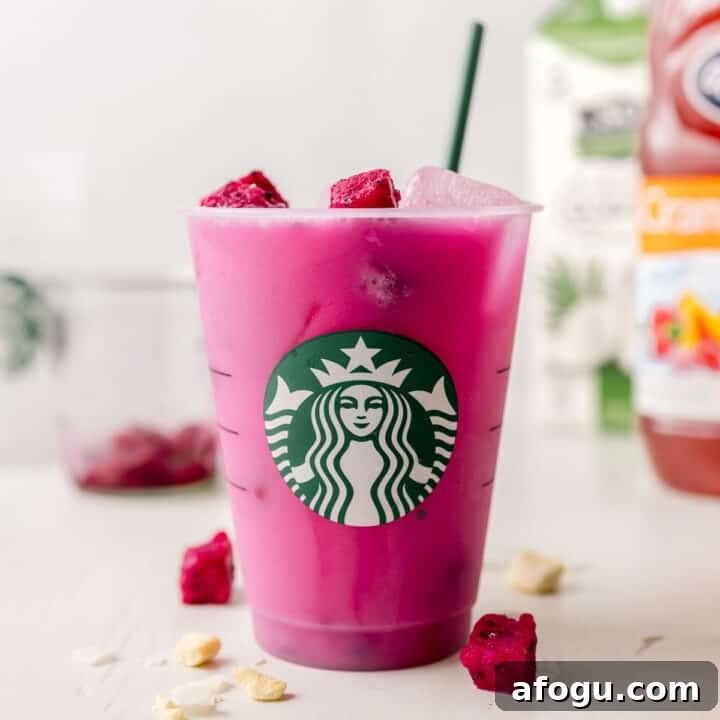
Starbucks Dragon Drink Recipe: Three Easy Ingredients
-
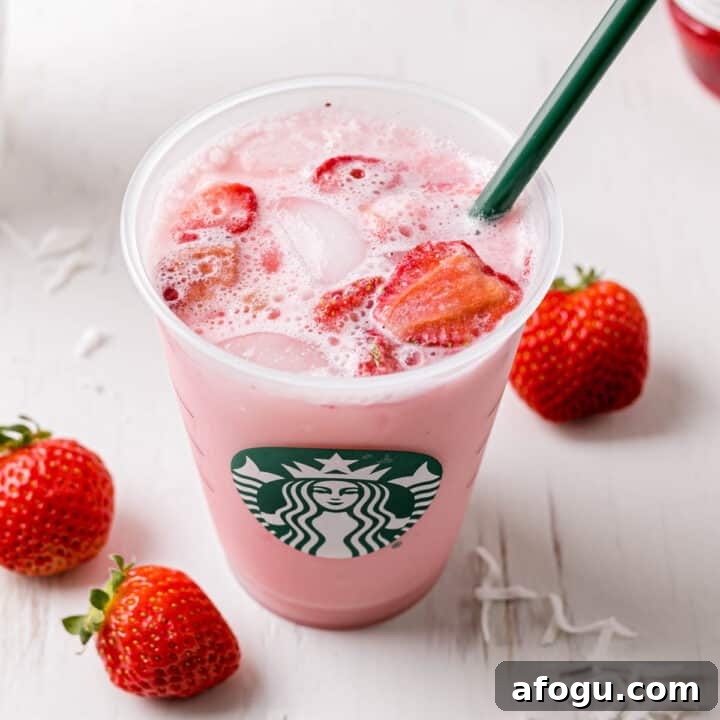
Homemade Starbucks Pink Drink Recipe
-
Gluten-Free Cheese Danish Recipe: Starbucks Dupe
-
Gluten-Free Cake Pops Recipe: Starbucks Copycat


Gluten-Free Starbucks FAQs
Starbucks commonly uses Oatly, which is certified gluten-free, but brands may vary by location. Confirm the current oat milk brand at your store.
Most Starbucks syrups are gluten-free. Check the app or ingredient listings for seasonal or new flavors.
The mocha sauce ingredients list water, sugar, cocoa processed with alkali, and natural flavor; it is generally considered gluten-free. Always verify current ingredient details.
Caramel drizzle ingredients typically include sugar, corn syrup, butter, cream, natural flavors, and other common additives. There is no indication that natural flavors are derived from gluten-containing grains, but check the current ingredient list to be sure.
Egg bites do not contain gluten ingredients, but they are cooked in ovens shared with other items and handled with shared utensils, posing a cross-contact risk for those highly sensitive to gluten.
TL;DR
Starbucks uses shared equipment and does not have strict measures to prevent cross-contact with gluten or other allergens. To reduce risk, choose drinks prepared directly in the cup without blenders, shakers, or steam wands; check ingredient lists in the app before ordering; and speak with the barista about how your drink will be made. If a blended, shaken, or steamed item is necessary, ask that equipment be cleaned first.
Gain access to our FREE exclusive mini-series:
Gluten-Free Baking and Lessons Learned!
Plus, be the first to know about new recipes and announcements!
📩 Sign up for the Mini-Series via the site signup. 📩
Disclaimer: This article reflects the author’s opinion and is for educational purposes only—not medical or nutritional advice. Consult a healthcare professional for personal medical guidance. Ingredient information was accurate at the time of writing but should always be verified by checking product labels and current ingredient listings.