This modest plate of Pasta with Béchamel Sauce is a perfect example of why cooking for yourself is both an act of self-care and a form of empowerment. It shows how a few basic ingredients and simple techniques let you eat well on a budget, make the most of limited pantry supplies, and spend less time fussing with complicated recipes—so you can enjoy the things that matter most.
Since moving to Turkey, I’ve learned to adapt to higher prices for items that are inexpensive back in the United States, and to find substitutes when an ingredient is hard to come by. Parmesan, for instance, can be expensive or difficult to source here. Fresh seasonal vegetables must be stretched from one market day to the next or supplemented from the garden, because larger supermarkets often have limited variety and inconsistent quality. In the U.S., it’s easier to find a wide range of organic and specialty products in many stores, which can tempt you to overbuy and end up wasting food. Learning to cook well has helped me avoid spending on takeout, eating food I don’t enjoy, or snacking instead of preparing a proper meal. With a few essential skills, you can be creative, extend your food budget, and never sacrifice flavor. That’s real empowerment.
Why the fuss about Béchamel? French sauces often get a reputation for being difficult, but most are straightforward once you’ve practiced them a few times. Béchamel is usually one of the first classic sauces taught in culinary school because it relies on basic, everyday ingredients—flour, butter and milk—and can be used as a base for many dishes. It can thicken casseroles, enrich vegetables, form the foundation of a soufflé, or act as a creamy sauce for pasta. Once you master the roux (the flour and butter cooked together) and the technique of gradually whisking in warm milk to avoid lumps, you can adapt the sauce with herbs, spices, or cheese to suit whatever you’re making.
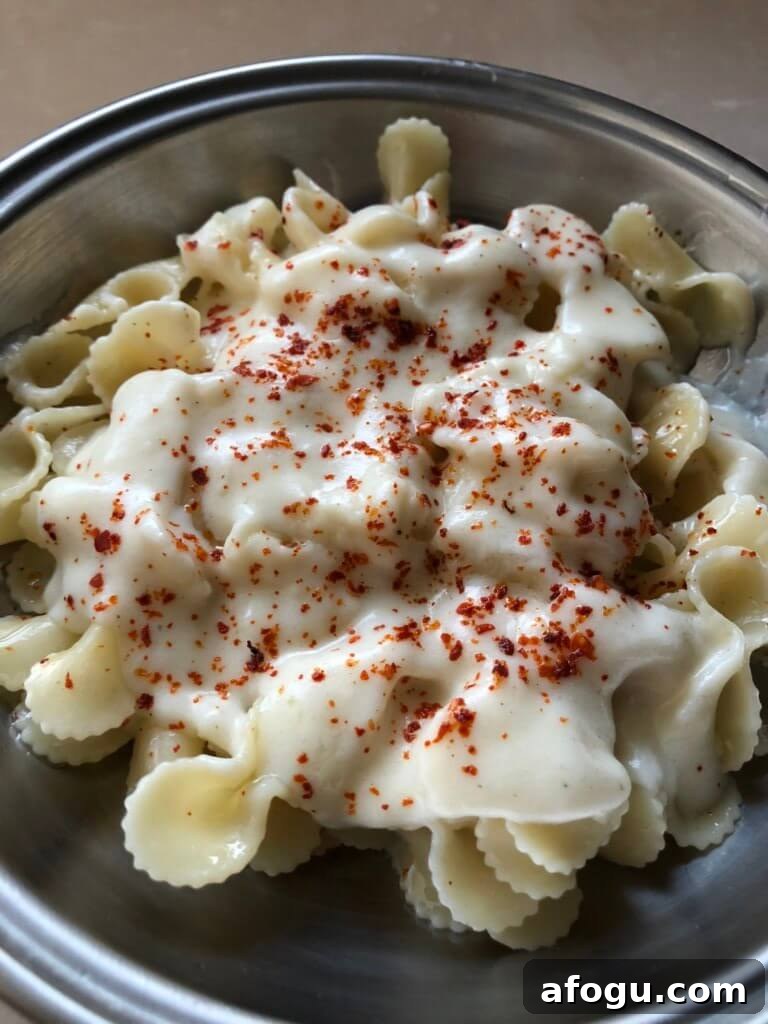 I found myself craving pasta Alfredo but didn’t have Parmesan on hand. With limited ingredients at home, I turned to Béchamel instead. I made it without referring to a recipe because the method lives in my head now—basic ratios, steady whisking, and a gentle simmer to coax the sauce smooth and velvety.
You don’t need to be a restaurant chef to make something satisfying and comforting. I’m a home cook, and that’s exactly the point: these techniques are accessible. Imagine feeling like your own master chef at home after making a simple, elegant dish without fuss. It’s entirely within reach.
At its core, a classic Béchamel requires only a few pantry essentials: a fat (commonly butter), flour to form the roux, milk to thin and enrich the texture, and basic seasoning—salt and black pepper. From there, you can add red pepper flakes for a touch of spice that nods to Turkish flavors, stir in fresh herbs like parsley or thyme for brightness, or finish with a little grated cheese when it’s available. The sauce is forgiving and versatile: loosen it for a silky pasta sauce, thicken it for a gratin, or use it as a base to build more complex flavors.
Knowing techniques like this saves money and reduces food waste. Instead of throwing away milk that’s about to expire or half a bag of flour, you can turn those staples into a sauce that elevates vegetables, leftover proteins, or a humble bowl of pasta. Cooking in this way encourages resourcefulness—learning how to stretch ingredients, swap what you have on hand, and still produce meals that feel nourishing and satisfying.
If you’d like to explore both Alfredo and Béchamel in more detail, many basic cookbooks and home-cooking guides offer clear, step-by-step instructions and variations that show how to adapt the sauce to different cuisines and tastes. The essential elements remain the same: attention to texture, a steady hand with the whisk, and a willingness to taste and adjust seasoning as you go. With a little practice, your confidence—and your weeknight dinners—will improve dramatically.
Cooking need not be complicated. With a few core skills and minimal ingredients, you can create comforting meals that support your budget, reduce waste, and let you savor the satisfaction of making something delicious for yourself.