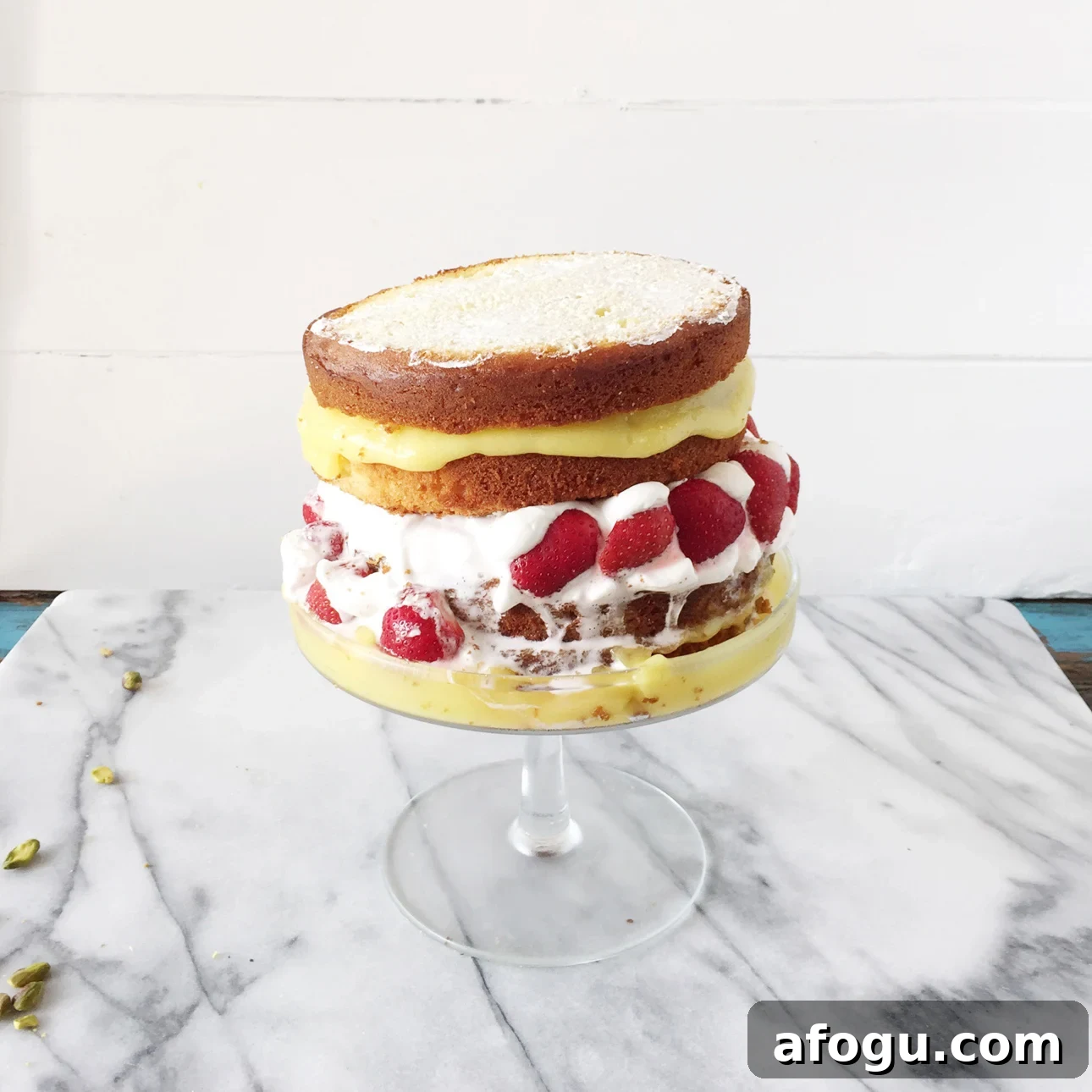
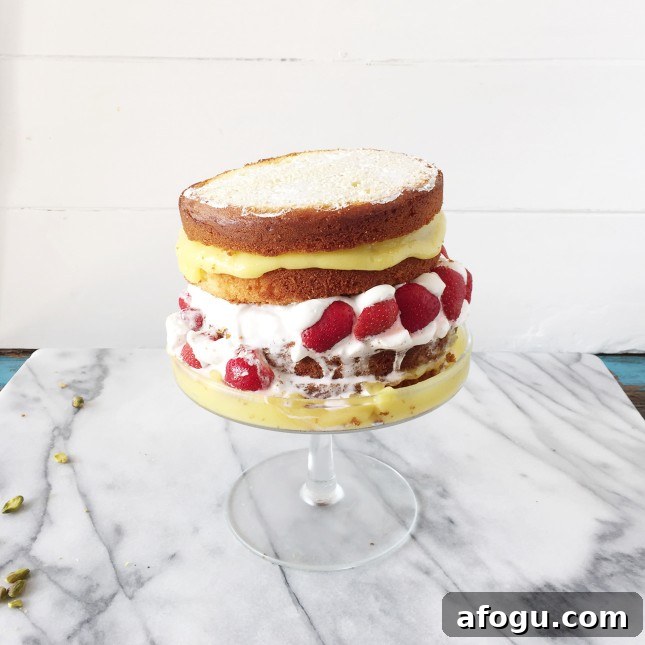
Mishaps — like melting cakes — are part of the cookbook production process!
I recently self-published my first e-cookbook. Titled Sweet Spot: Modern, Better-for-You Dessert Recipes, with Clever Tips to Bake (Mostly) Dairy Free, it’s filled with desserts that are lighter and more nutritious than typical sweets, while still feeling indulgent. The book’s page has more details and it’s currently on sale. Here I’ll share how the project came together behind the scenes.
The idea for a cookbook took shape earlier this year. I’d written about the book’s backstory elsewhere, but the core reason I felt able to tackle this project was my background: I’m a graphic designer with layout experience, so I was comfortable handling design and production tasks. My biggest concern was food photography. I could take blog-ready photos, but could I sustain a full book’s worth of images? Thankfully, a talented food photographer friend, Catherine Côté, offered to shoot the project. That was a huge relief — suddenly the plan felt achievable: I would develop recipes, she would photograph them, I’d handle the layout, and the book would come together.
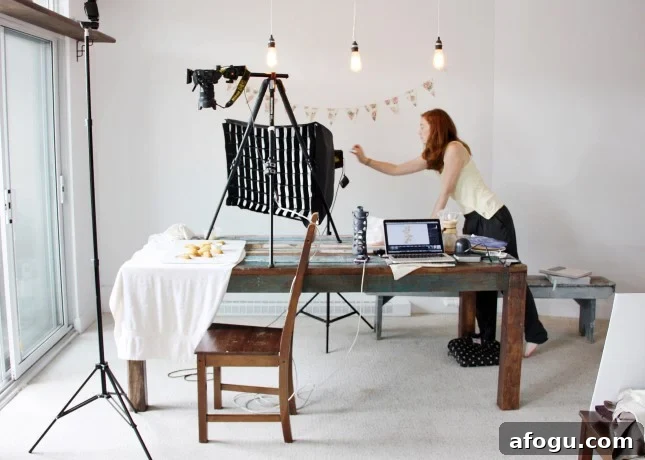
It sounds simple, but it was a lot of work. The timeline looked like this:
- Summer — Brainstorming: I jotted down theme ideas, researched topics at the library and online, and collected inspirations. I used Evernote to gather notes, photos of dairy-free products, menus, and dessert displays, and saved articles on e-book publishing and nutrition. This helped shape the concept and direction of the book.
- Early August — Recipe development and testing: I mapped out chapters (cakes, cookies, etc.), decided how many recipes each would include, and listed favorite ingredients and dessert types to ensure balanced coverage. From my blog and personal notebook I selected recipes to revisit, drafted new recipes, tested them, and narrowed the selection to the 20 main recipes for the book.
- First week of September (4.5 days) — Styling and photographing final products: Catherine’s schedule meant booking a single week for photography, even though some testing and writing remained. Shooting doubled as another round of recipe testing: a chewy crust here, a thin cream there — issues were noted and fixed afterward. Photographing 20 recipes in under five days was intense: I baked through the nights and photographed through the days, often in a heat wave, so the experience was physically demanding but productive.
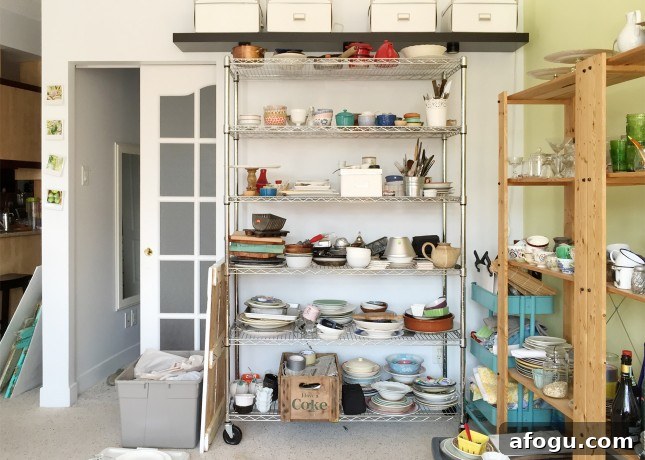
Choosing props was one of my favorite parts of the food photography process.
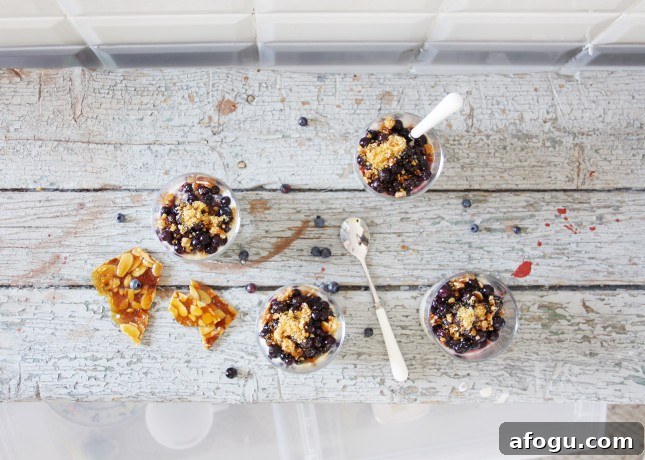
We used textured backgrounds, and sometimes unconventional surfaces like a dining bench — creativity helps.
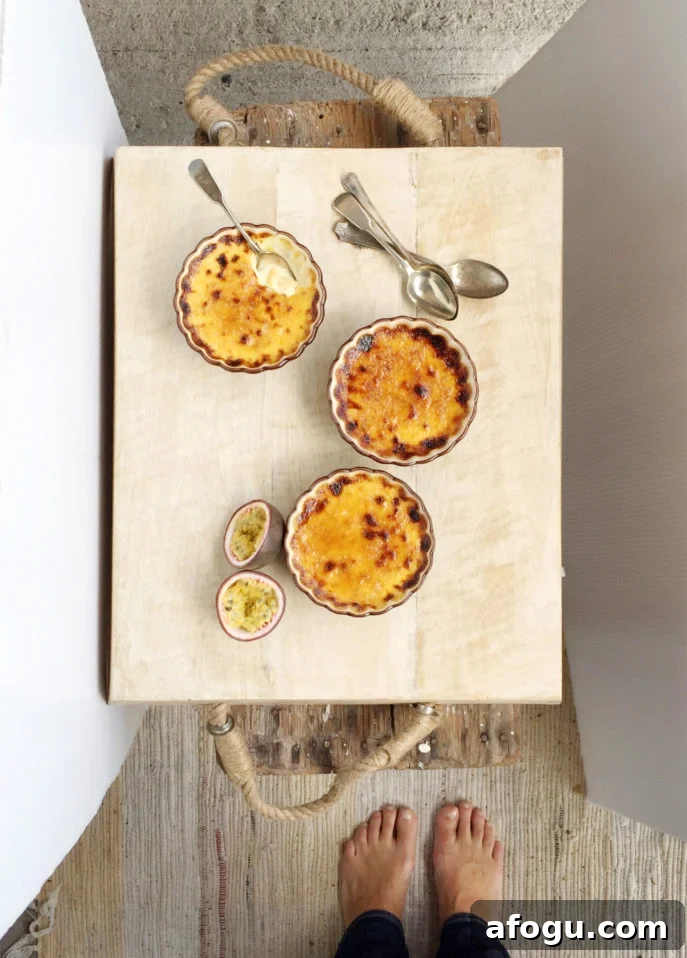
Occasionally we worked outdoors on the balcony to capture the best light and enjoy a breeze.
- Late September — More testing and tasting: By this stage the recipes were familiar and widely sampled by friends and family. With recipes substantially refined, I was ready to move into writing and design.
- October — Writing headnotes and remaining content: I wrote all recipe headnotes in one go, which proved efficient, and completed long-form chapters next. Shorter items like the table of contents and acknowledgements were saved for last.
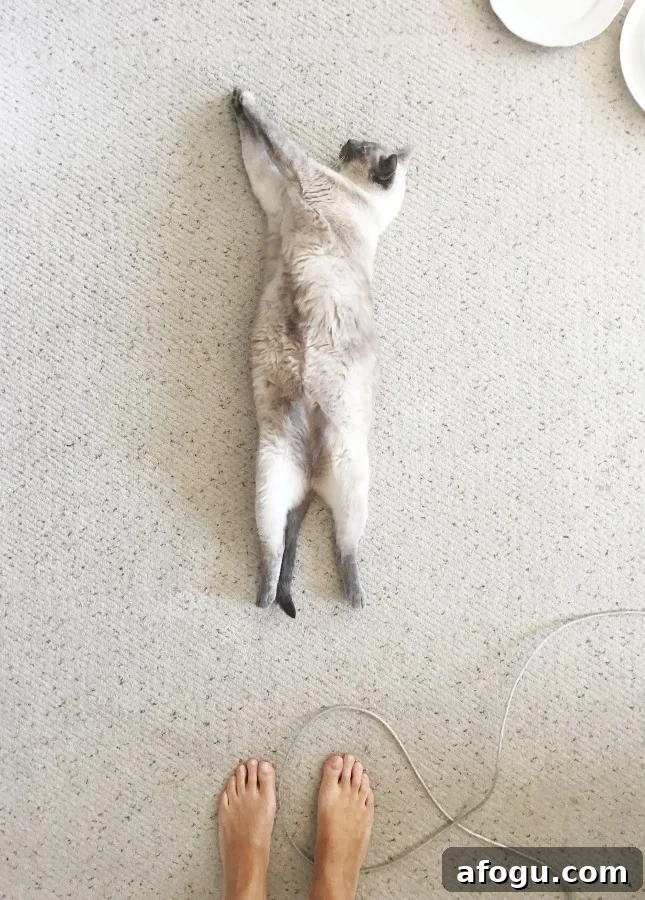
Our feline “assistant”.
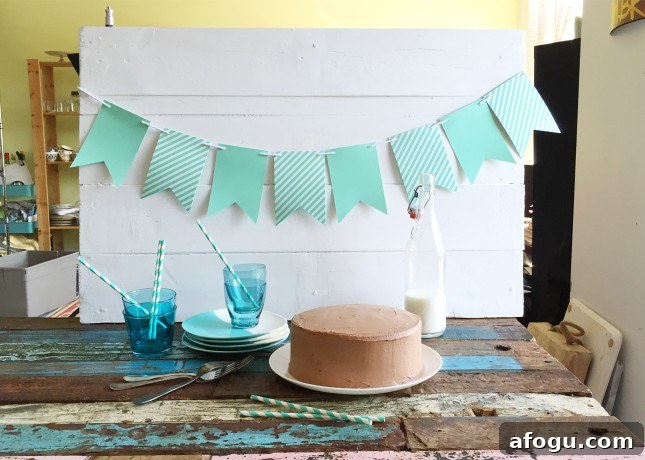
Creating a scene.
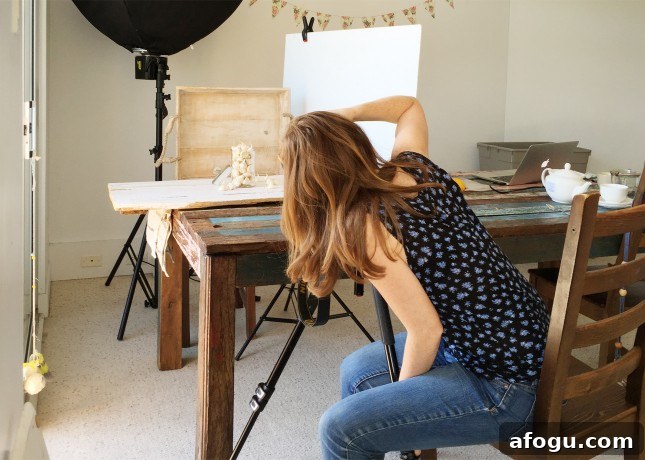
Looking over the pro’s shoulder.
- Late October — Copyediting: I sent the manuscript (about 25,000 words) to a trusted editor. While the editor reviewed, I should have started layout work sooner, but I waited instead.
- Early November — Graphic layout and additional photography: After selecting a simple, minimalist visual direction, I spent two weeks in InDesign. I also photographed basic recipes myself when they required minimal styling, reserving the professional photographer’s time for key visuals. My daily routine balanced layout work, testing, photographing, processing images, and integrating photos into the book.
- Mid-November — Release: The launch was initially scheduled earlier but slipped by a week as last-minute tasks piled up. I worked nonstop in the final stretch to finalize e-book files and test the e-commerce setup I already used for other digital products. At 11:30 a.m. on the release day, I published the book’s page and announced it — finally, the book was out.
Two production advantages of a digital release stood out: I could make last-minute fixes up until publication, and I can update files easily if I discover typos or small errors later. Digital publishing also avoided upfront printing costs. On the other hand, I underestimated total expenses: grocery bills for testing added up quickly, and I stopped tracking hours after 150 — the final total is likely close to 300 hours. Balancing client work and personal commitments during this period was challenging, and I relied on significant emotional and financial support from my partner to complete the project.
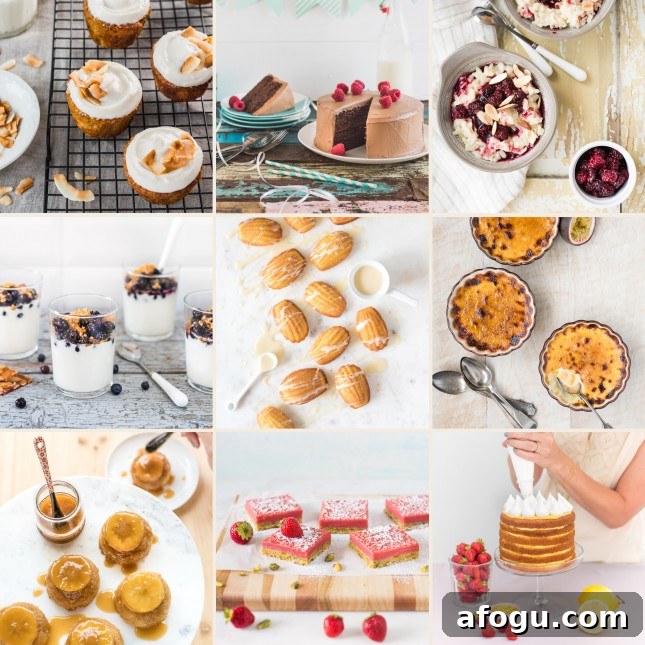
This project isn’t finished yet. I didn’t have time to develop a full marketing plan before launch, so I’m now reaching out to friends and bloggers to increase the book’s visibility. I’m also preparing a book proposal with the hope of finding an editor to publish an expanded print edition. I already have around 40 more recipes and additional guidance on dairy-free baking that I’d like to include in a future print version. Fingers crossed — I’ll keep sharing updates as the project progresses.