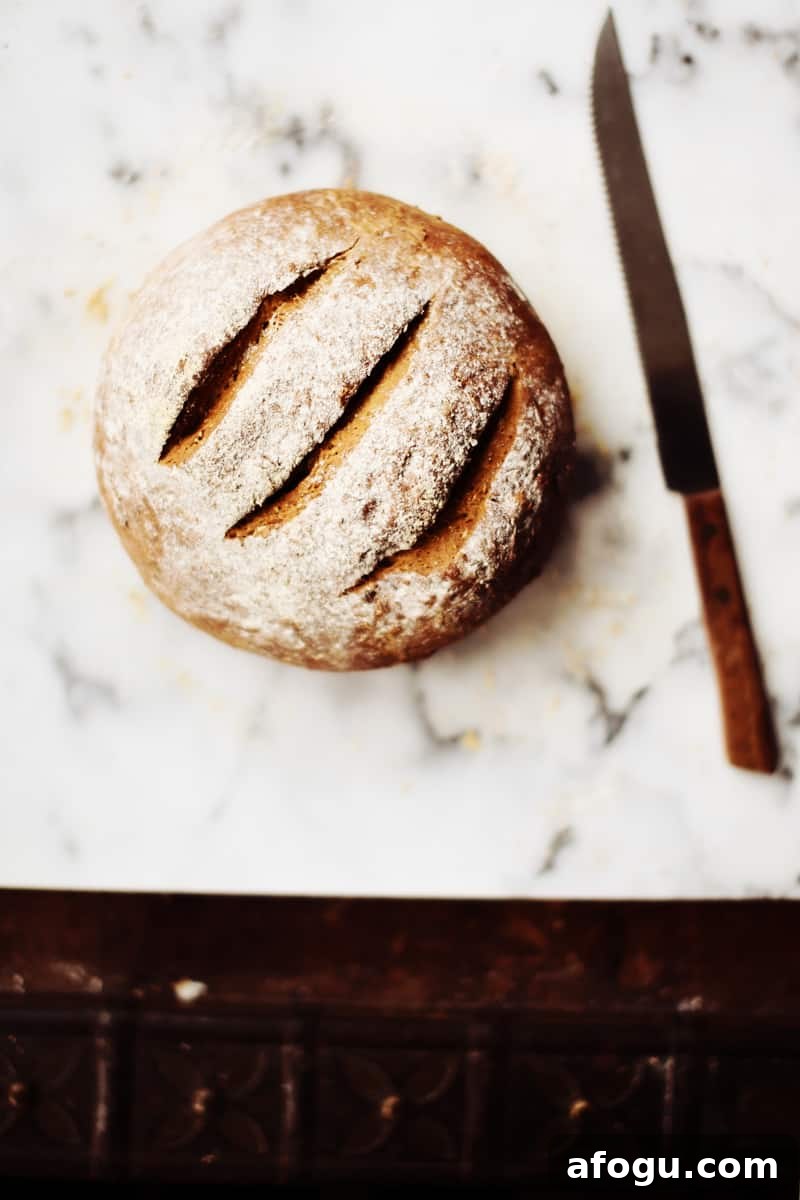
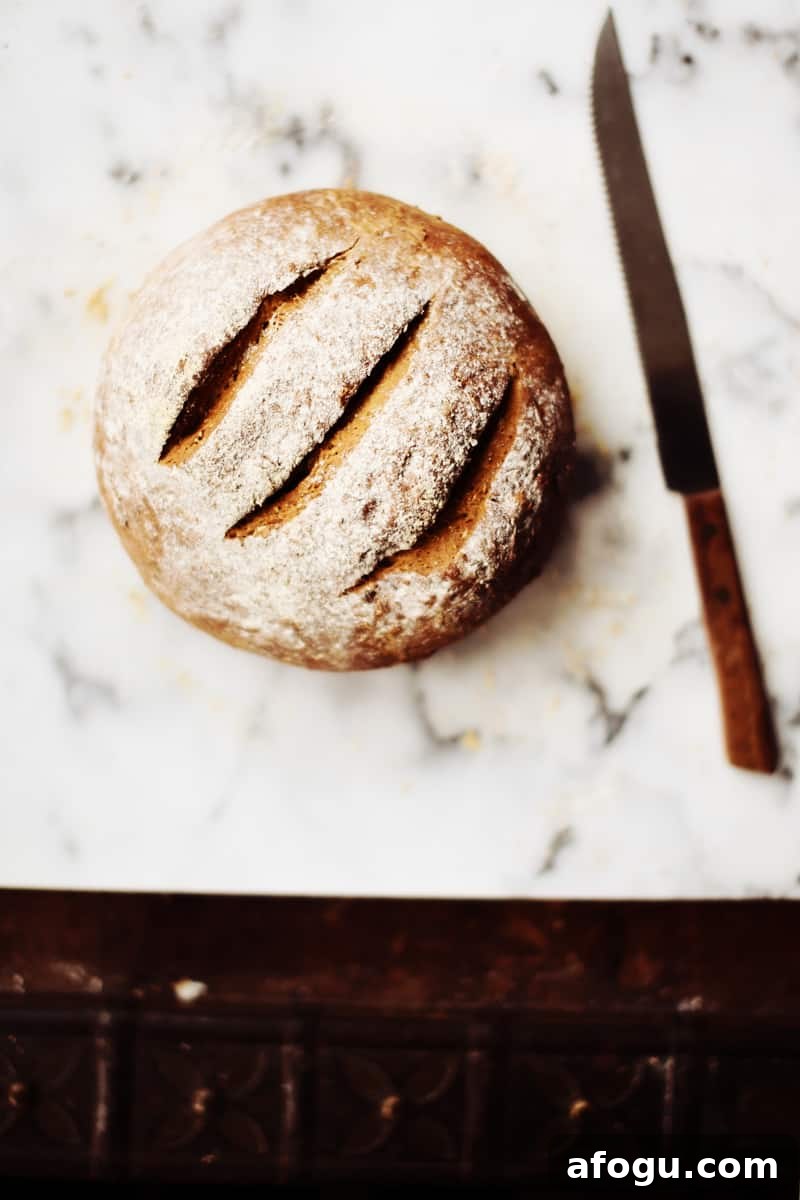
This is a treasured bread recipe passed down from a special person. It’s simple, comforting, and best made by hand — the gentle kneading makes all the difference.
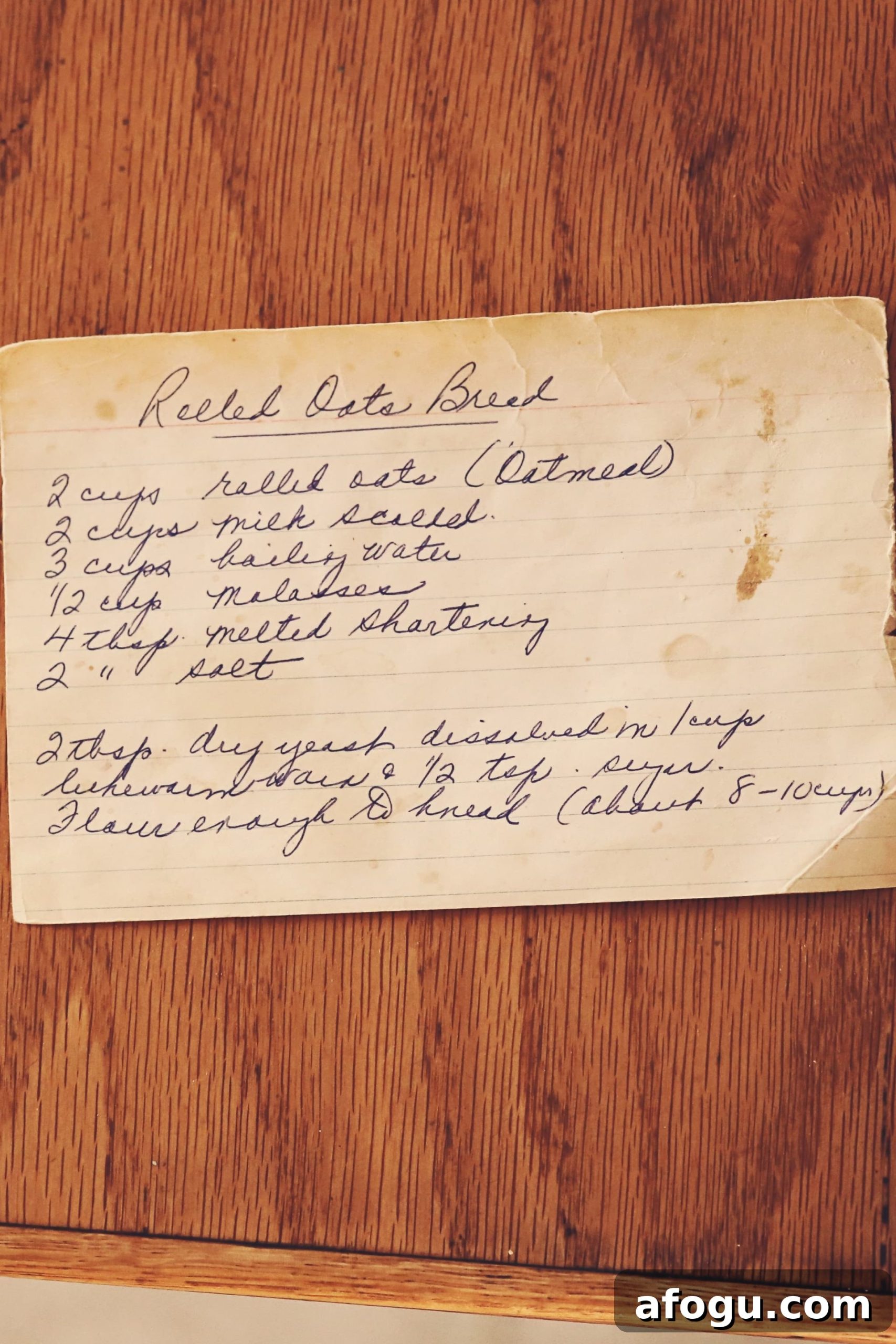
Although the name is Oatmeal Brown Bread, the brown color comes from molasses. The recipe uses white all-purpose flour combined with old-fashioned rolled oats for texture and flavor.
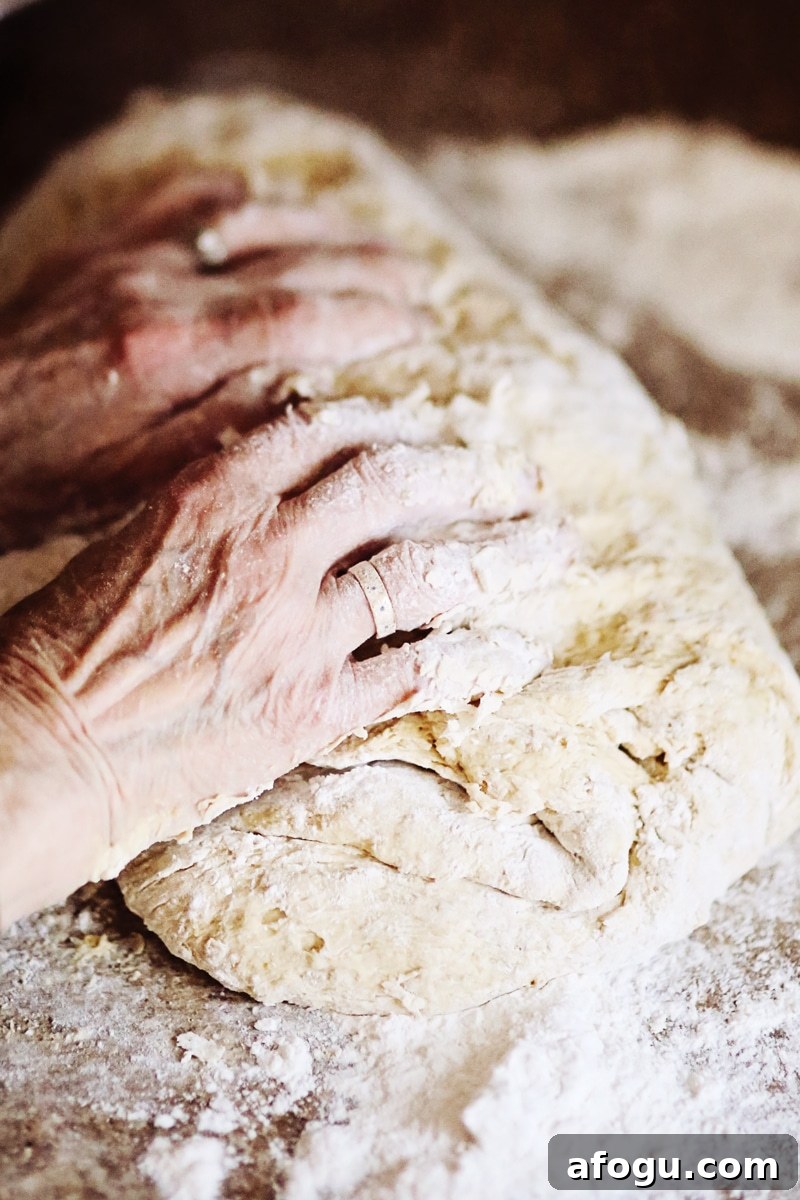
The dough forms a very large ball and will double in size during its first rise.
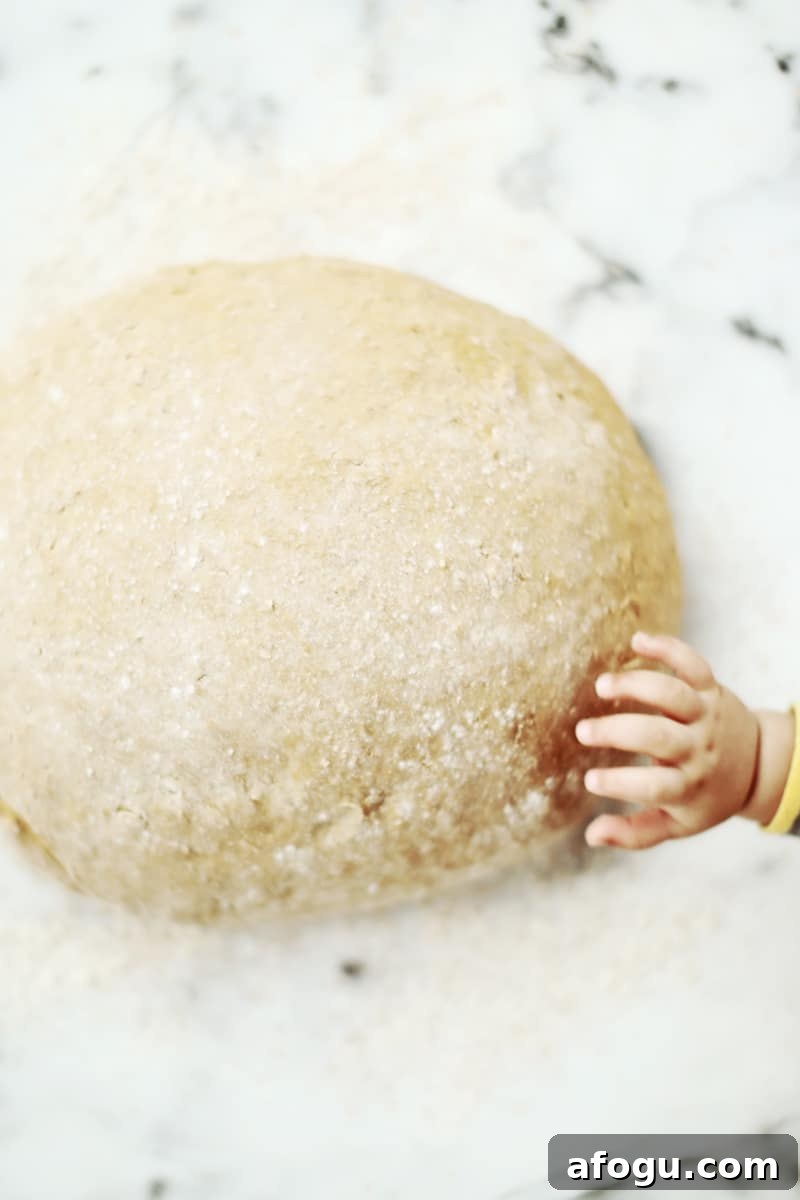
That big dough ball isn’t the only thing that grows — small hands often sneak a taste while you work.
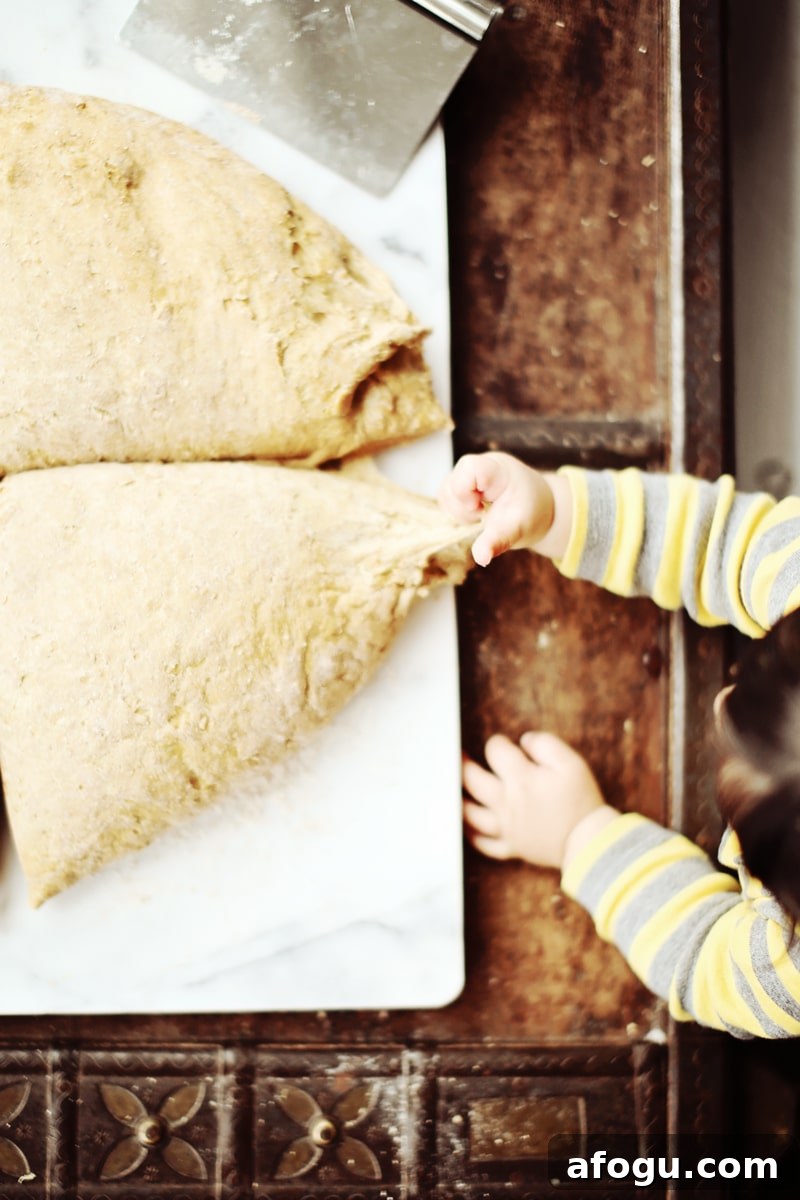
Once the dough has doubled, you can either curl up beside it for a quick nap or divide it into four equal pieces with a bench scraper or a sharp knife.
The little tester inspects the dough — maybe he’s doing a windowpane test, or simply sampling a tiny piece.
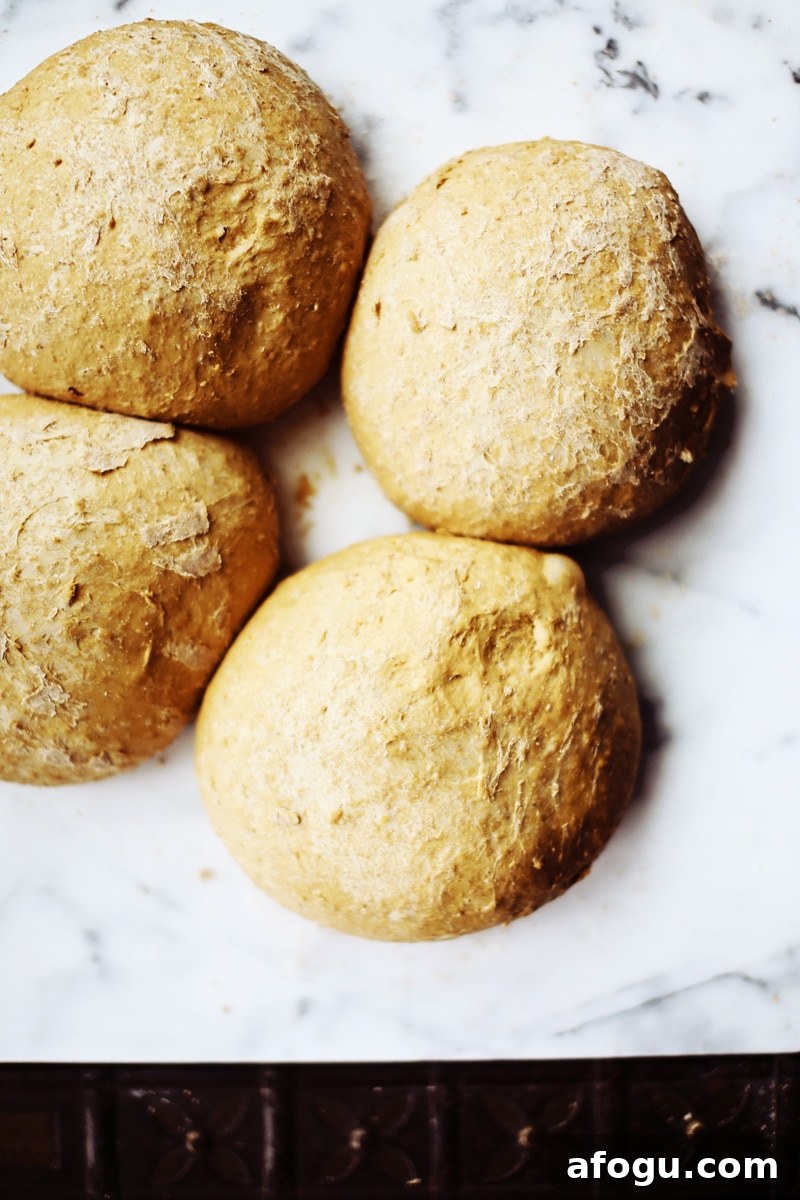
Shape each piece into a round loaf. After the second rise, when they’ve nearly doubled again, they’re ready for the oven.
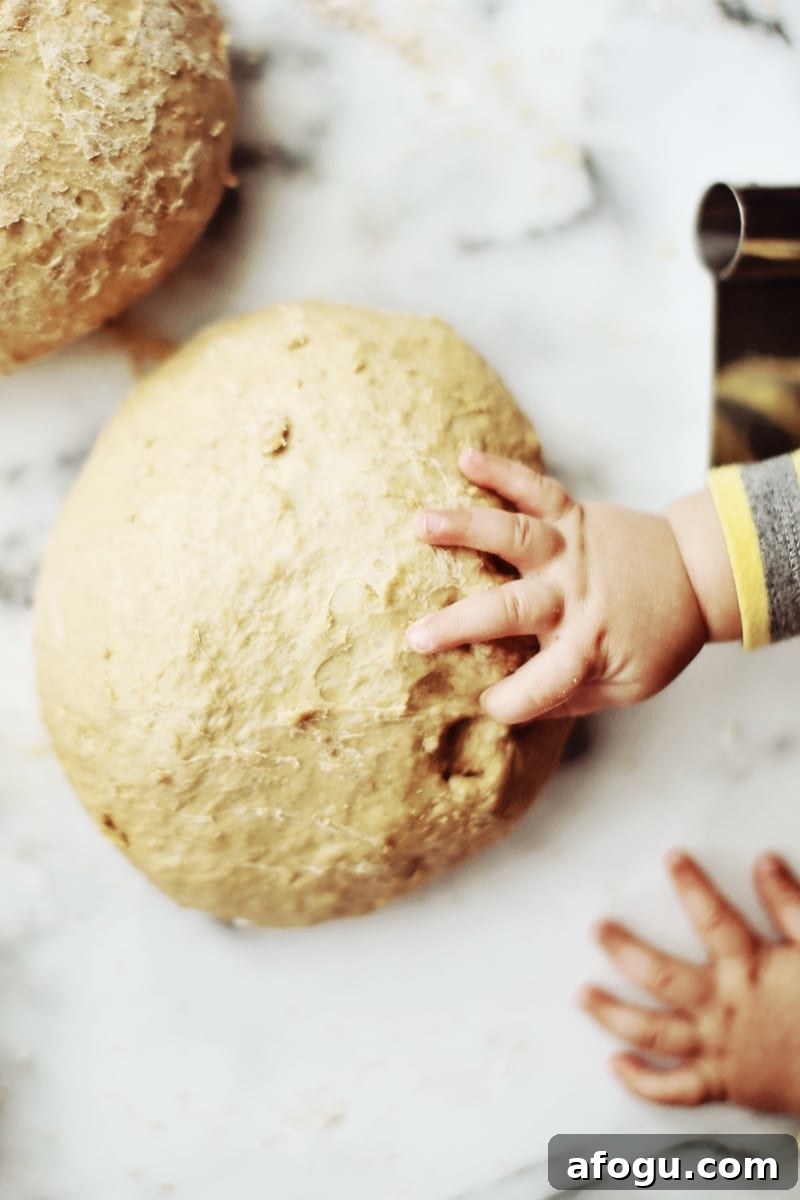
You’ll know the loaves are ready to bake when a gentle press leaves an indentation — a firm but springy dough will hold the mark without collapsing.
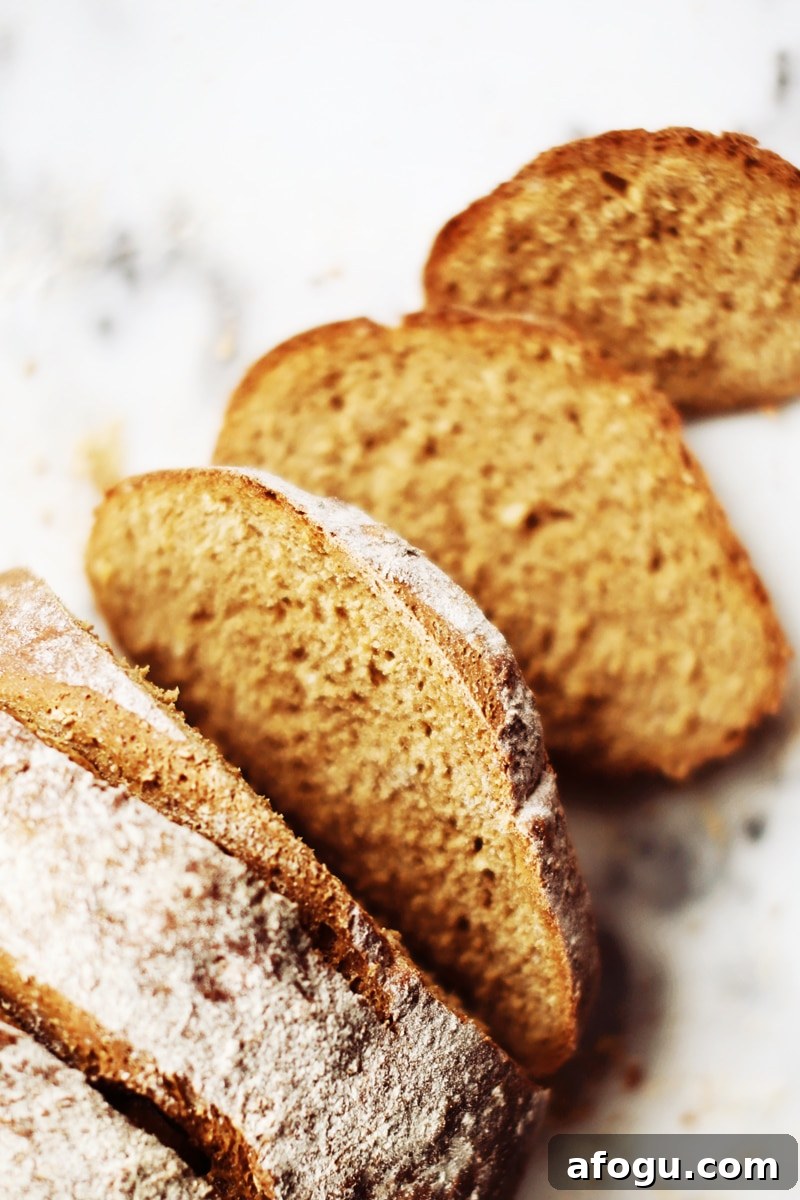
For thin, tidy slices, allow the bread to cool completely before cutting — if you can manage the patience.
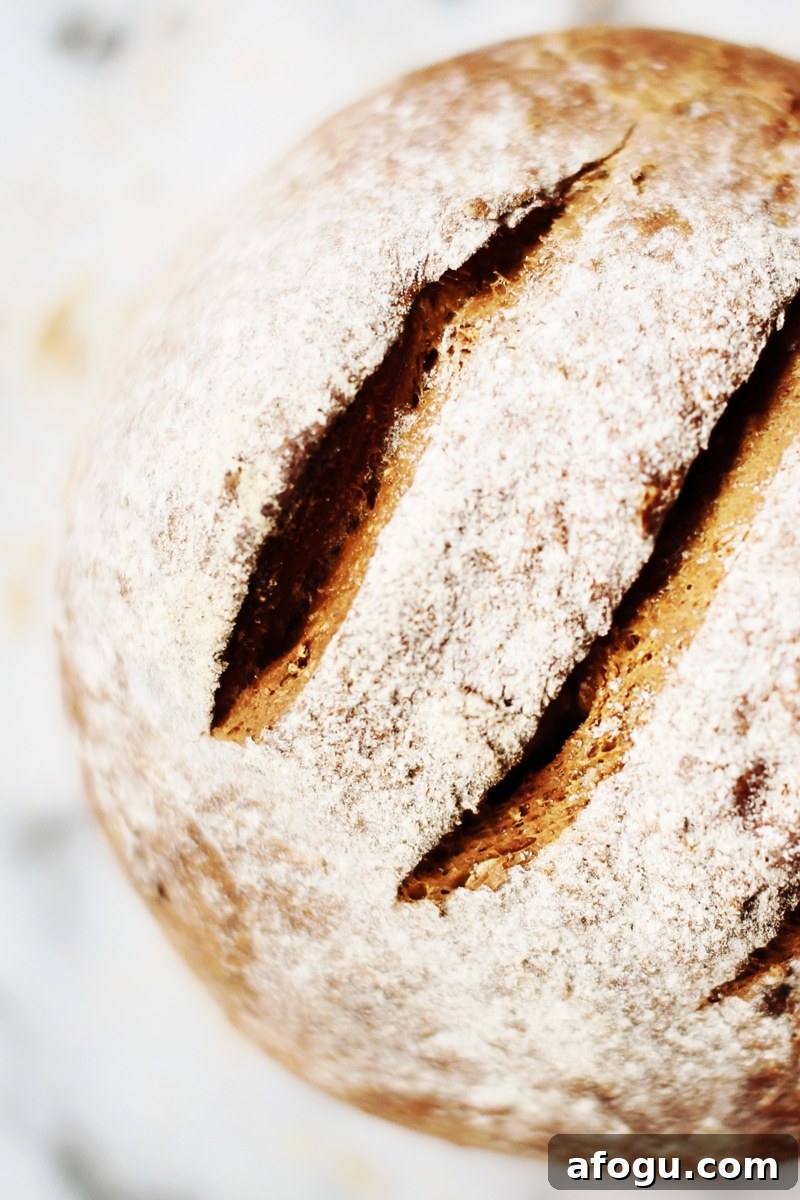
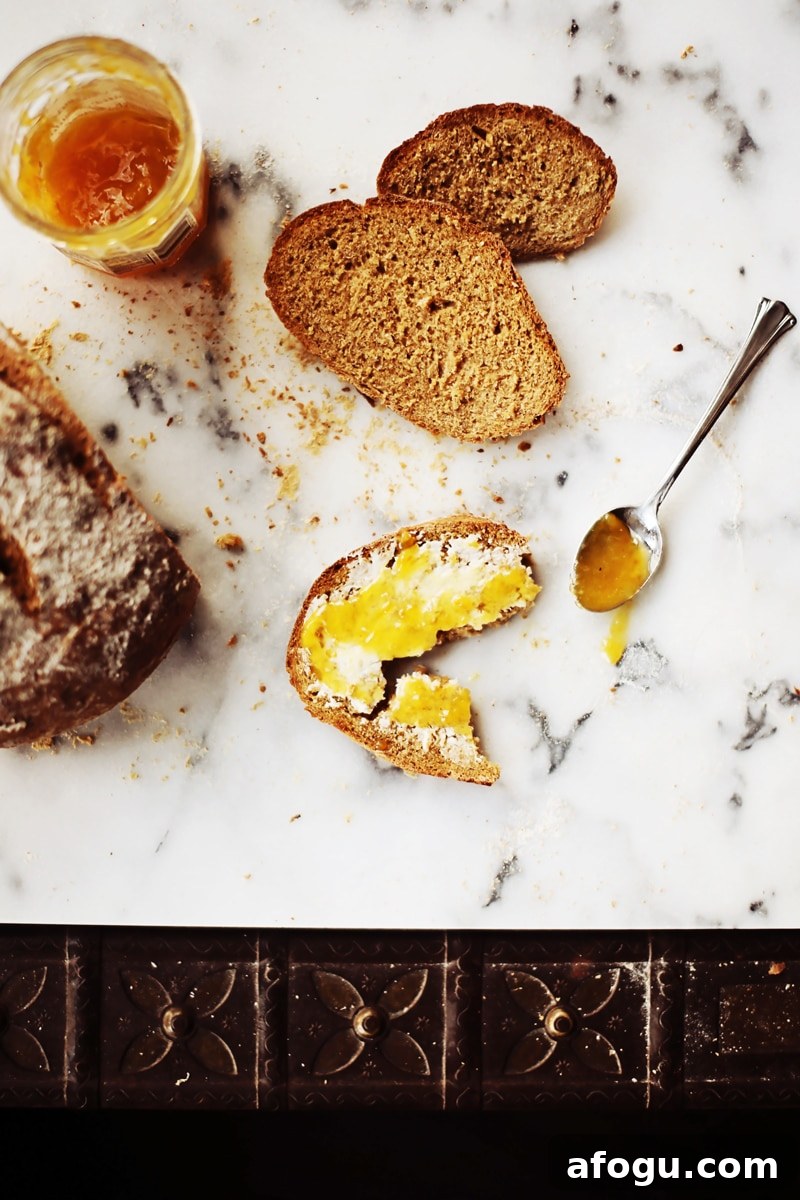
I like to keep one loaf and share the other three — it feels like good karma. These loaves are excellent with butter and marmalade or for sopping up baked beans.
Oatmeal Brown Bread
Ingredients
- 2 cups milk
- ½ cup molasses
- ¼ cup butter
- 2 tbsp salt
- 2 cups old-fashioned rolled oats not quick or instant
- 2 tbsp active dry yeast
- ½ tsp granulated sugar
- 10 cups all-purpose flour approximate
Instructions
-
Bring 3 cups of water to a boil in a medium saucepan. Add the milk and bring back to a near-boil; remove from heat when steaming and small bubbles form at the edges. Stir in the molasses, butter, and salt until the molasses dissolves and the butter melts. Add the oats and let the mixture cool until lukewarm.
-
In your largest mixing bowl, combine the active dry yeast and sugar with 1 cup lukewarm water. Set aside for about 10 minutes to activate — it should become bubbly and increase in volume.
-
When the oat mixture is lukewarm, add it to the yeast mixture and beat well with a wooden spoon. Stir in the flour a cup at a time until the dough becomes too stiff to stir. Turn it out onto a floured surface and knead, adding more flour as needed, until you have a smooth, workable ball. Knead about 10 minutes total.
-
Place the dough in a warm spot, cover with a tea towel, and let rise about 1 hour or until doubled in size. Punch down, then divide into four equal pieces and shape each into a round loaf. Let rise again for about 1 hour.
-
Preheat the oven to 350°F (175°C). Line a baking sheet with parchment. Dust the loaves lightly with flour for a rustic finish and make a few 1/2-inch-deep slashes with a sharp serrated knife. Bake 1–2 loaves at a time on the lowest rack (refrigerate remaining shaped dough to prevent over-proofing) for about 45 minutes, until well browned and the bottom sounds hollow when tapped.
Notes
Lukewarm matters: Make sure the oat mixture cools to lukewarm before combining with the yeast so you don’t kill it.
Proof the yeast: The yeast-sugar-water should become bubbly in about 10 minutes. If it doesn’t, the yeast is inactive and you should start again with fresh yeast.
Test for doneness: A well-browned loaf that sounds hollow when tapped on the bottom is done.
Nutrition
|
Carbohydrates: 25g
|
Protein: 3g
|
Fat: 1g
Nutrition information is automatically calculated and should be used as an approximation.
Tried this recipe? Leave a comment!