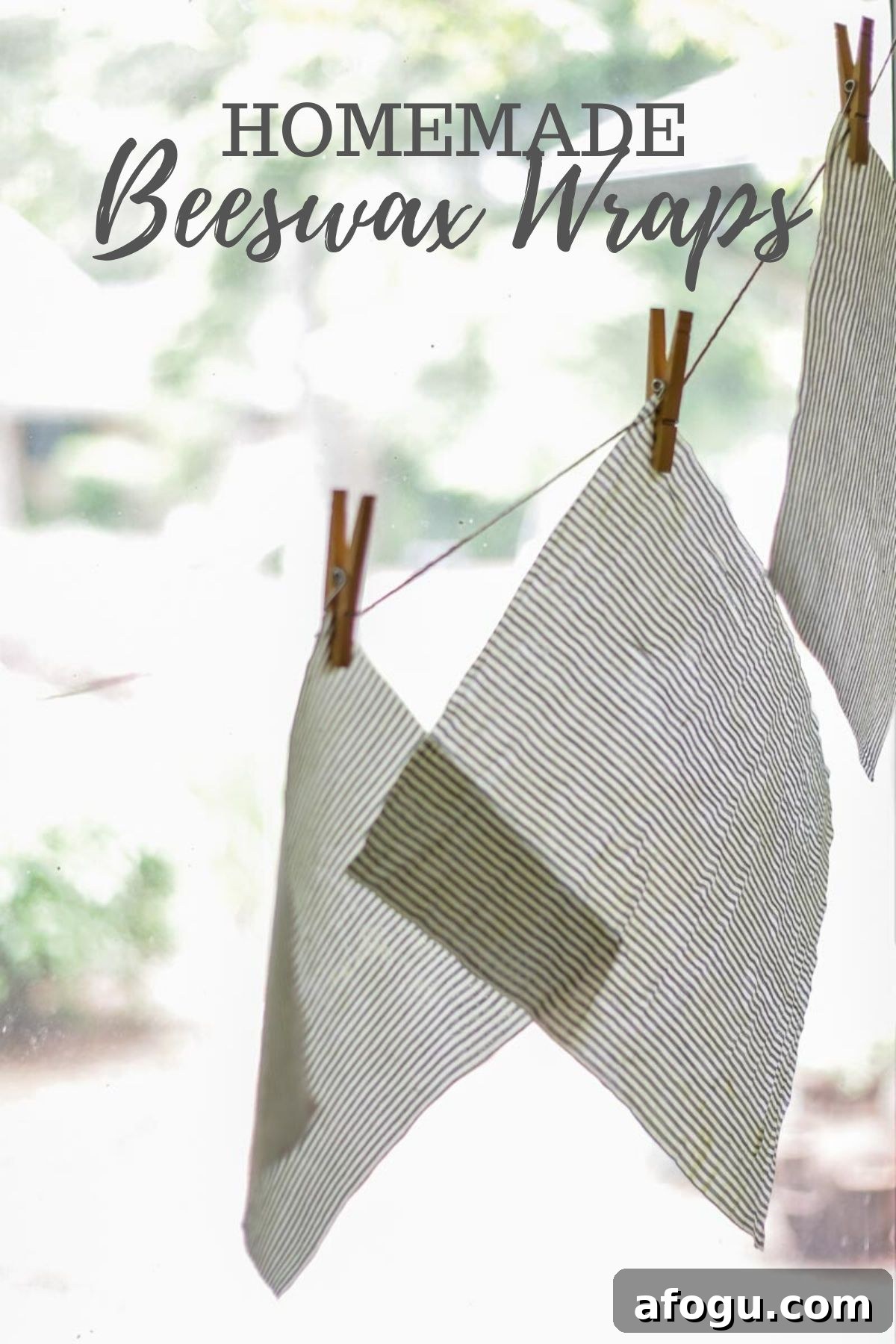
Learn how to make beeswax wraps — a sustainable, reusable alternative to plastic wrap. With just a few simple supplies you can transform scrap fabric into practical, natural food wraps.
Table of Contents
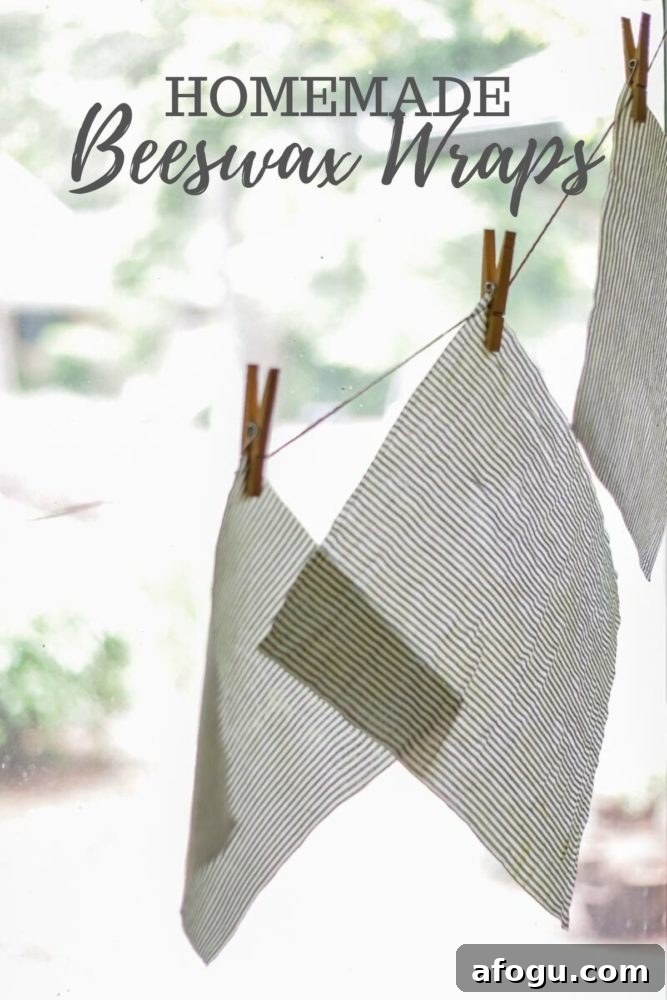
Today I’m excited to share a guest tutorial from Jerica of Sustain, Create and Flow. This simple DIY makes beeswax wraps that are waterproof, reusable and a practical replacement for cling film and disposable sandwich bags.
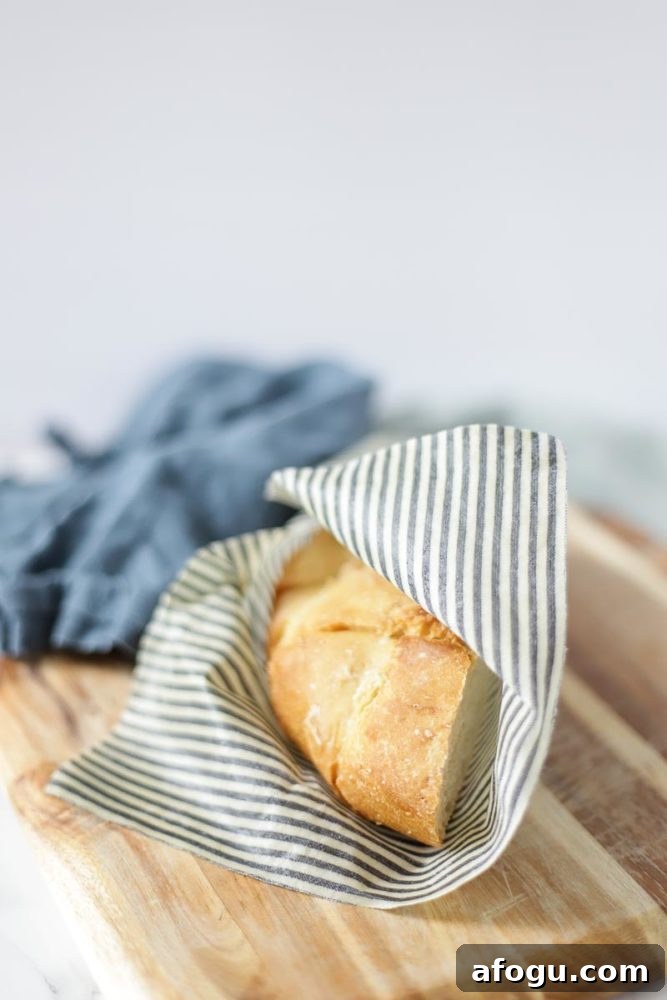
Beeswax wraps are one of my favorite easy projects. They’re perfect for storing leftovers, covering bowls, wrapping bread, or making reusable sandwich pouches. As a backyard beekeeper, I love using locally harvested beeswax — it smells lovely and is a natural, long-lasting coating for fabric.
Beeswax-coated fabric is an excellent alternative to synthetic waterproof materials. It’s easy to make, affordable, and a small but meaningful step toward reducing plastic waste.
Tips For Making Beeswax Wraps:
- Work quickly when spreading melted wax — it cools fast once removed from heat.
- Beeswax melts around 147°F (64°C) and is flammable. Use the lowest oven or iron setting and monitor carefully.
- Lightweight, tightly woven fabrics work best; thicker fabrics like flannel can be harder to coat evenly.
- Line your baking sheet with parchment or foil for easy cleanup.
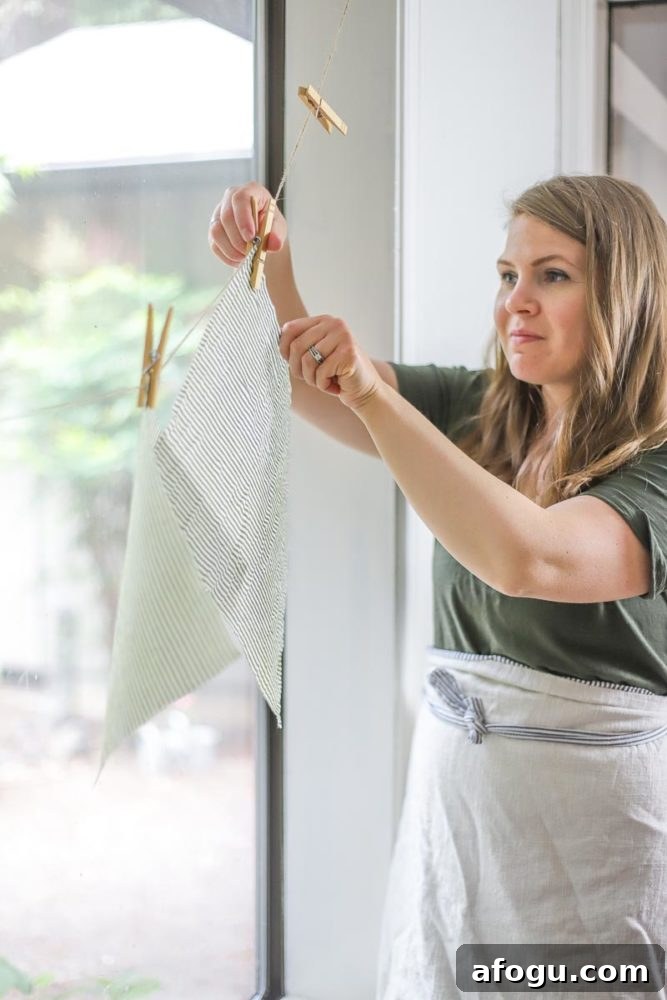
- Have a place ready to hang the wraps to cool and set; a string between cabinets works well.
- The iron method is often faster and gives more control over wax distribution.
Tools or materials you may need:
- Cookie sheet or baking pan
- Grated beeswax or beeswax pastilles
- Parchment paper or tin foil (parchment preferred)
- A paintbrush or silicone spatula dedicated to beeswax
- Fabric pieces cut to the size you want (sheeting weight works well)
- An iron if using the ironing method
Watch The Tutorial
How To Make Beeswax Wraps – Two Ways
Below are two reliable methods: Method 1 uses the oven and Method 2 uses an iron. Both yield excellent wraps; the iron method is quicker and provides more control.
Bees Wraps Method 1 (Oven)
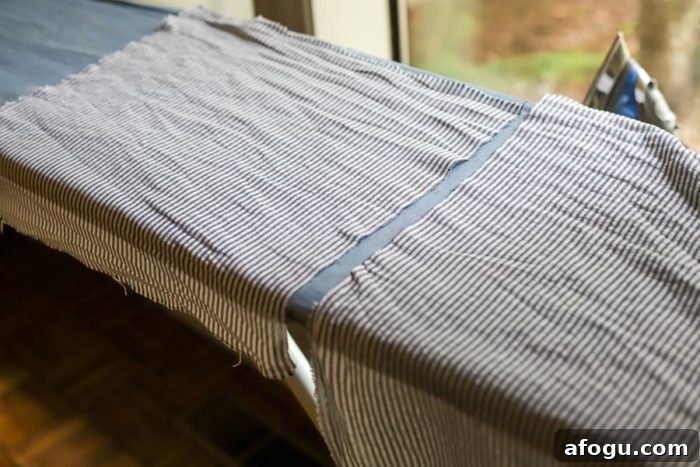
- Wash, dry and iron your fabric if needed. Cut it to the desired size.
- Preheat your oven to the lowest setting available (around 150°F / 65°C is ideal).
- Line a baking sheet with parchment paper or foil and place the fabric on top.
- Sprinkle grated beeswax or pastilles evenly over the fabric.
- Place the baking sheet in the oven for about 8 minutes, or until the wax melts and begins to soak into the fabric. Monitor closely — wax is flammable at high temperatures.
- Carefully remove the sheet and use a dedicated paintbrush or silicone spatula to spread the wax for an even coating.
- Hang the coated fabric to cool and set for a few minutes. Once cool, it’s ready to use.
Store wraps rolled or folded. Clean up is easy: remove and recycle the parchment or foil and keep your beeswax brush for touch-ups.
Beeswax Wraps Method 2 (Iron)
- Wash, dry and iron the fabric if needed.
- Set your iron to a cotton setting and prepare an ironing board.
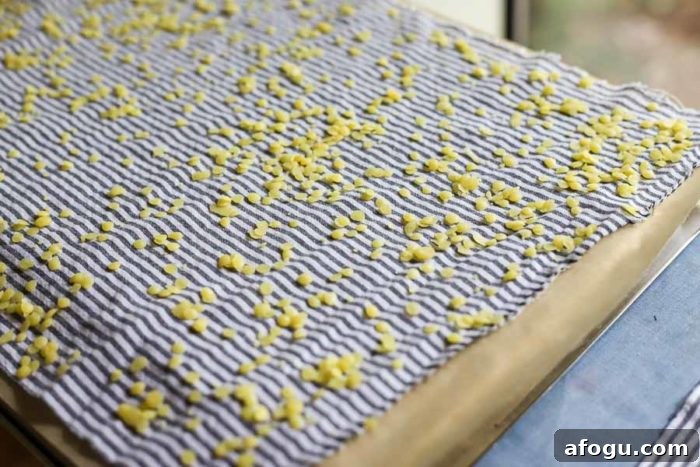
- Place a piece of parchment paper larger than the fabric on the board, then set the fabric on top.
- Sprinkle grated beeswax evenly across the fabric.
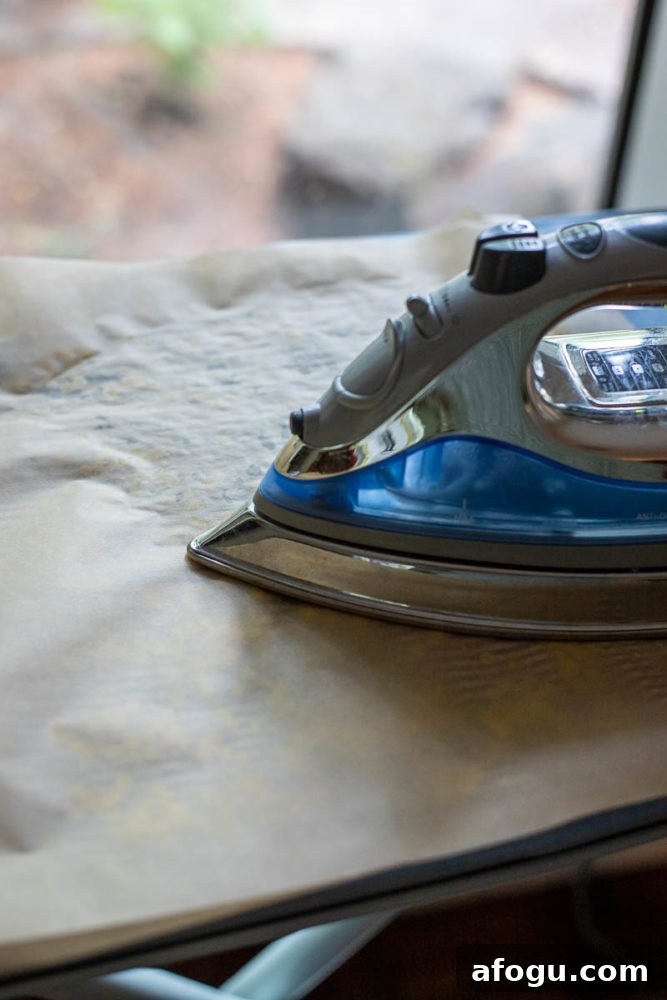
- Cover with another piece of parchment paper and press with the warm iron for a few seconds until the wax melts. Move the iron around until the wax is fully absorbed.
- Lift the top parchment to check for any uncovered spots. Add more wax and repeat as necessary.
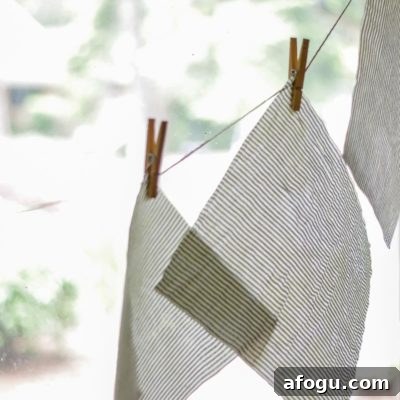
- Remove the fabric from the parchment and hang to cool briefly. It sets quickly.
Caring For Your Beeswax Food Wrap:
- Spot clean with cool water and, if needed, a mild soap that is alcohol-free (alcohol can dissolve beeswax and tree resin).
- Avoid prolonged contact with very greasy or hot foods. Do not use in the microwave, dishwasher, or with hot foods.
- Highly acidic foods, like fresh pineapple, can break down the wax. Place acidic foods in a bowl before covering rather than wrapping directly.
- Staining from pigmented foods is normal because beeswax is natural.
- Beeswax makes the fabric fluid-resistant but not airtight. Be creative with uses: covering bowls, wrapping bread, or making sandwich pouches.
FAQ
Do you need to wash fabric before making beeswax wraps?
Yes. Washing removes sizing, chemicals and finishes that can prevent wax from bonding. Dry and iron the fabric before coating.
How long do beeswax wraps last?
With gentle care and regular spot cleaning, beeswax wraps typically last up to a year. Refresh them as needed by reapplying a thin layer of wax.
Find More DIY And Sustainable Projects:
- DIY Unpaper Towels
- Homemade Baby Wipes
- Homemade All-Purpose Cleaner
- DIY Deodorant
- How To Make Shaker Cabinet Doors From Flat Paneled Doors
If you try this tutorial and love it, please come back and leave a rating — I’d appreciate it!
About the contributor: Jerica enjoys homesteading life with her family, caring for chickens and bees, gardening, and sharing practical sustainable projects.
This post was originally published in April 2013 and updated in June 2020.