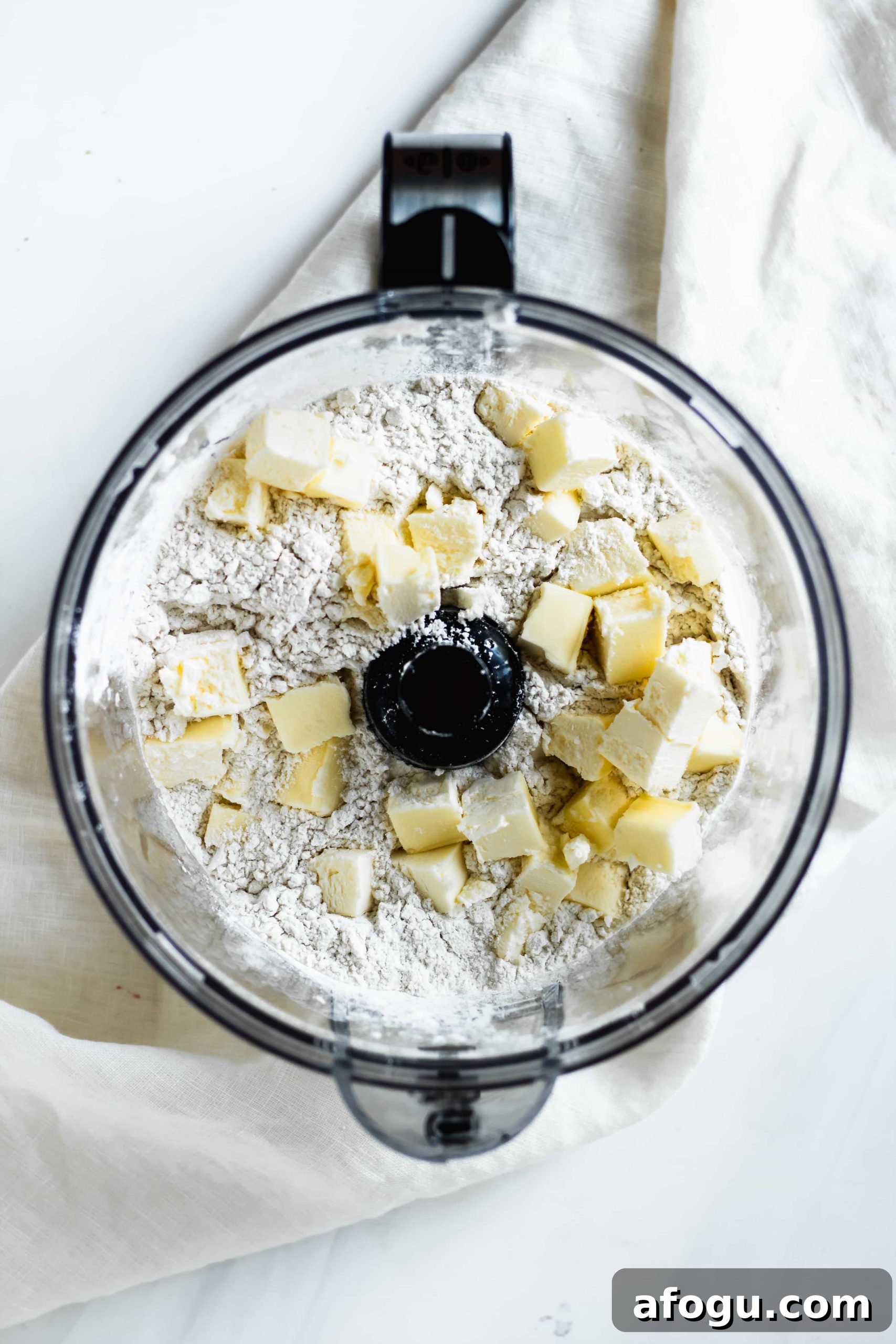
Easy, quick homemade buttermilk pie crust suitable for pies, galettes, hand pies and more.
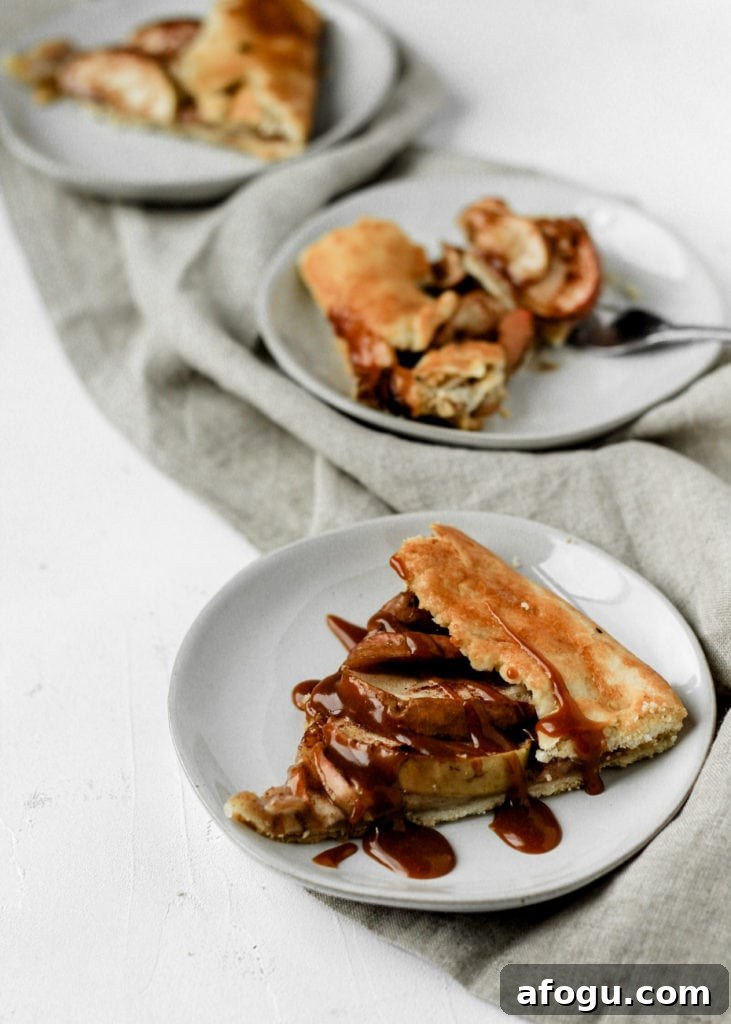
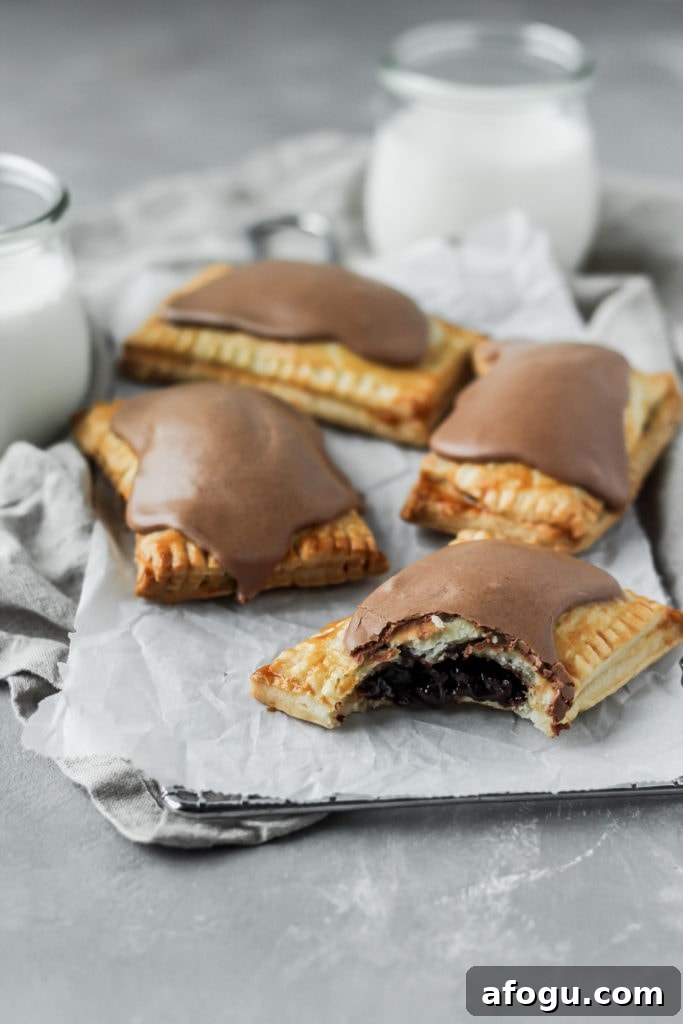
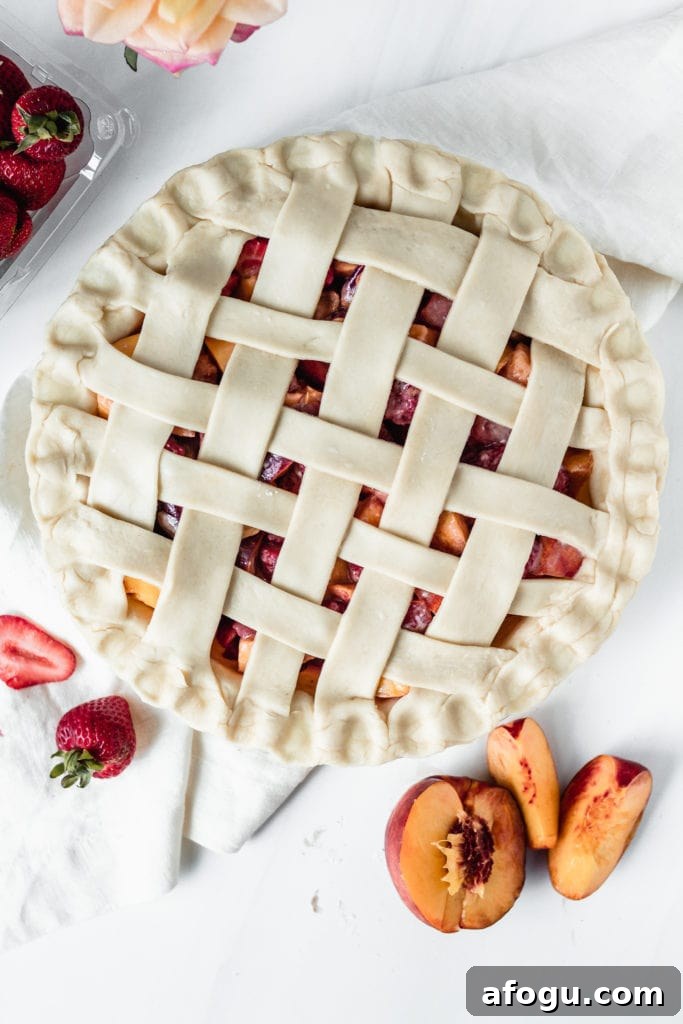
Pies are one of those desserts that feel right any time of year. While many people call summer “pie season,” I’m firmly on the fall train — pumpkin, apple and pecan pies are my favorites. This buttermilk pie crust is simple, reliable and versatile, perfect for classic pies, galettes, pop tarts, hand pies and lots more.
Basics of Pie Dough
Classic pie dough, or pâte brisée, is a flaky shortcrust made with cold butter. Keeping the butter cold is essential: as the cold fat melts in the oven it leaves pockets of air, and the moisture turns to steam and puffs the layers, producing a tender, flaky texture.
How to use pie dough
This dough works for traditional pies, tarts, galettes, turnovers, savory hand pies, pop tarts, pigs in a blanket and even flaky cinnamon rolls. One important tip: if the dough is at room temperature when it goes into the oven, it will often shrink or lose shape. Whenever possible, chill shaped pastry until it’s firm before baking.
For example, when I make pop tarts with this dough I roll it, cut squares, fill them, refrigerate for about an hour, then egg wash and bake. When I skipped the chilling step in testing, the dough shrank and the pastries baked up lopsided.
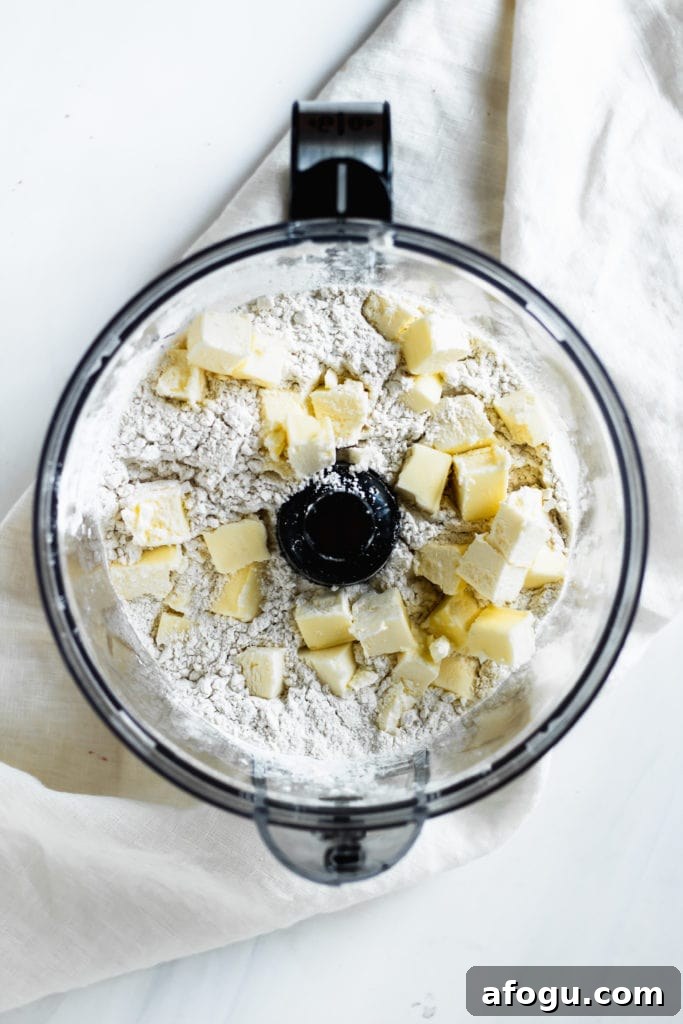
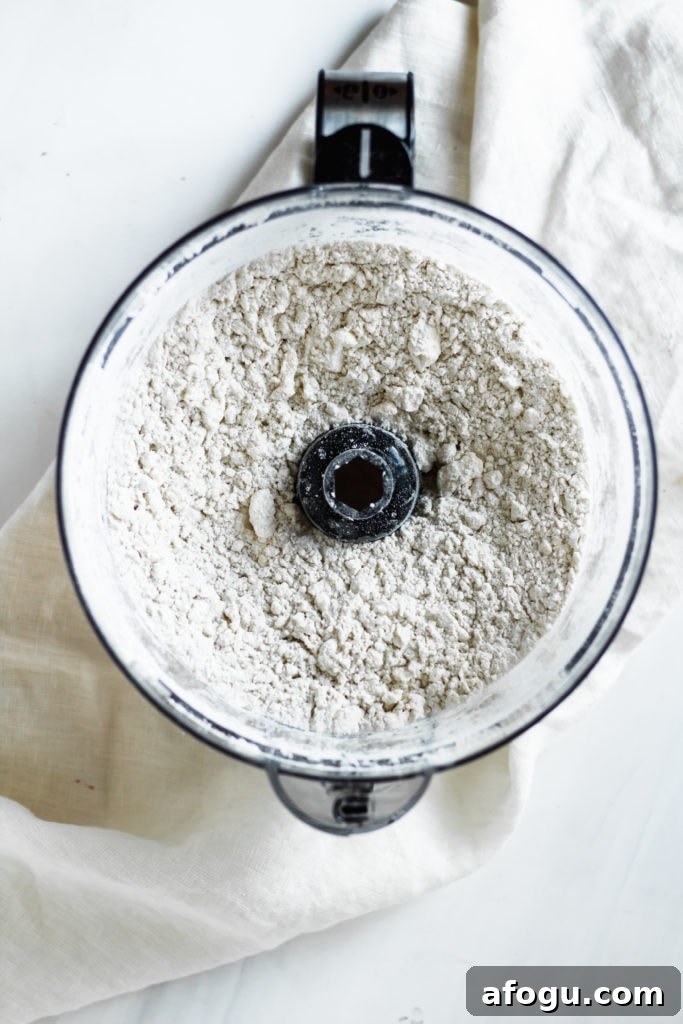
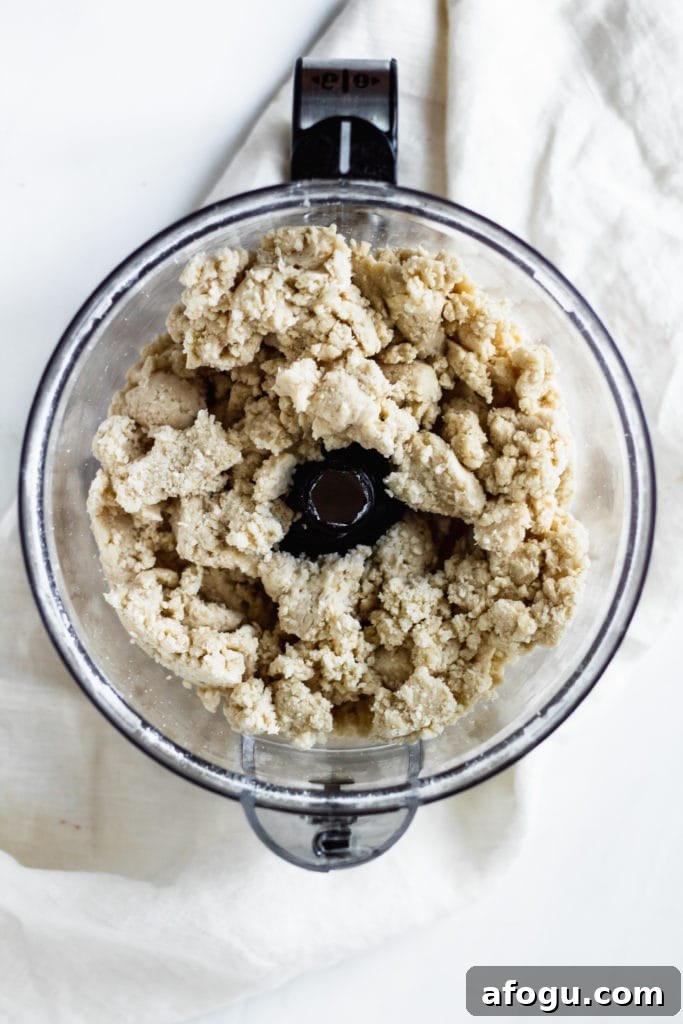
Sticky Dough
Sticky dough is one of the most common frustrations when making pastry. If the dough sticks to the counter and you re-roll it repeatedly, you develop gluten and the crust becomes tough. These practical steps will help you avoid that problem.
Tips to prevent sticky pie dough
- Work in a cool, low-humidity environment when possible. If it’s warm, lower the room temperature or turn on the AC while you work.
- Use cold ingredients: keep the butter and buttermilk refrigerated until you need them. Pre-measure and return them to the fridge if necessary.
- Some bakers chill the flour while they cube the butter — it can help keep everything cold.
- Preheat the oven after your pastry is resting in the fridge so the oven is ready when you bake.
- If the dough looks a bit crumbly after mixing, resist adding more liquid. Remove it from the processor and bring it together gently by hand until it just holds.
- Refrigerate the dough for 30–60 minutes after it comes together and before shaping. Chilling makes it much easier to roll and transfer.
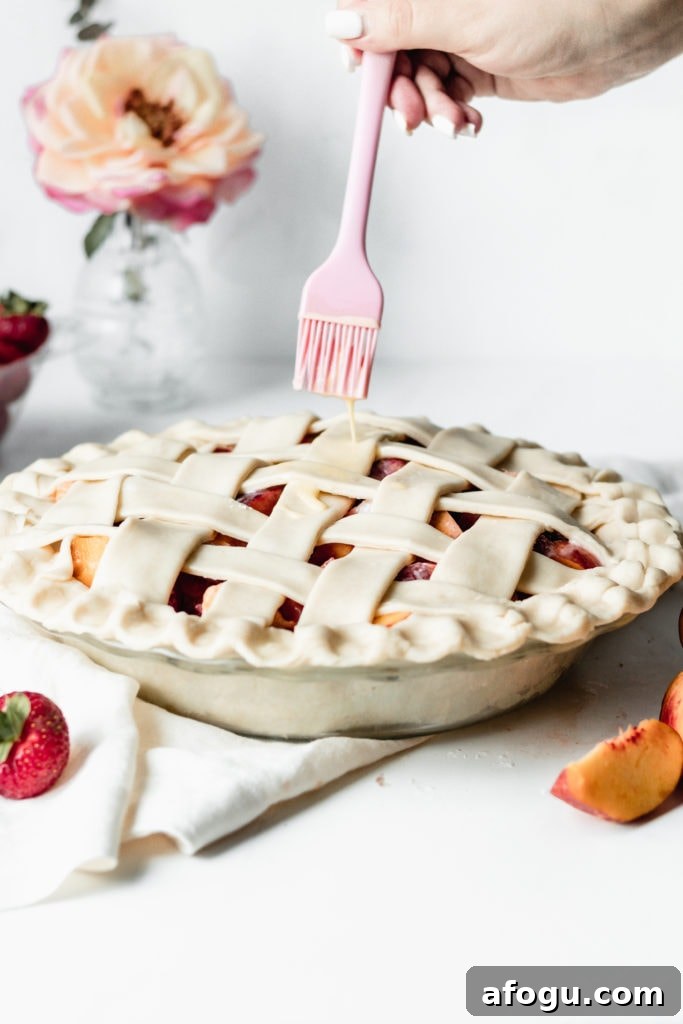
This crust recipe has been a dependable go-to for me — straightforward and forgiving. If you try it, I’d love to see your creations; tag me on Instagram @baranbakery. As always,
Love, B
Pies & Tarts
Buttermilk Pie Crust Recipe
Pin Recipe
email recipe
Equipment
-
food processor
-
pie weights (optional)
-
kitchen scale (recommended)
Ingredients
- 240 grams all-purpose flour, spooned and leveled
- 1/2 tsp salt
- 1 Tbsp granulated sugar
- 170 grams salted butter, cold and cubed
- 80 mL buttermilk, cold
- 1 large egg
- splash of milk
Method
-
Combine the flour, salt and sugar in a food processor.
-
Add the cold, cubed butter and pulse until the mixture looks like coarse crumbs with some pea-sized pieces of butter remaining.
-
With the processor running, slowly pour in the cold buttermilk and pulse until the dough just comes together. It may still be slightly crumbly — that’s okay.
-
Turn the dough out, gently press it into a disc and wrap in plastic. Chill in the refrigerator for about 30 minutes to firm up.
-
When ready to use, remove from the fridge and roll or shape as needed. For an egg wash, beat the egg with a splash of milk and brush on before baking. Baking temperatures vary by recipe (typically 350–425°F / 177–218°C).
Notes
Chilling before rolling isn’t always required, but in warm or humid conditions it makes the dough easier to handle.
Always try to chill shaped pastry before baking to prevent shrinking and to keep edges from collapsing.