Are you ready to tackle inflammation and start feeling like yourself again? Welcome to Anti-Inflammatory Diet 101. This guide simplifies how to eat for better health with practical tips and realistic advice to make changes sustainable.
- Key Take-Aways
- What is Inflammation?
- Warning Signs of Chronic Inflammation
- What Causes Chronic Inflammation?
- Anti-Inflammatory Diet 101: What You Need to Know
- Anti-Inflammatory Foods List
- Fruits and Vegetables
- Whole Grains
- Healthy Fats
- Lean Proteins
- Herbs and Spices
- Foods to Avoid
- My Story of Finding Health Again
- Let Go of Guilt
- Focus on What You CAN Control
- Lifestyle Habits to Reduce Inflammation
- What about Supplements?
- Anti-Inflammatory Food List PDF
- 7 Day Anti-Inflammatory Meal Plan PDF
- Reduce Inflammation & Feel Better: Anti-Inflammatory Fast-Track Kit
Key Take-Aways
- Chronic inflammation can be managed through diet and lifestyle. Small, consistent changes like prioritizing whole, minimally processed foods and adding gentle exercise can lower inflammation and improve overall well-being.
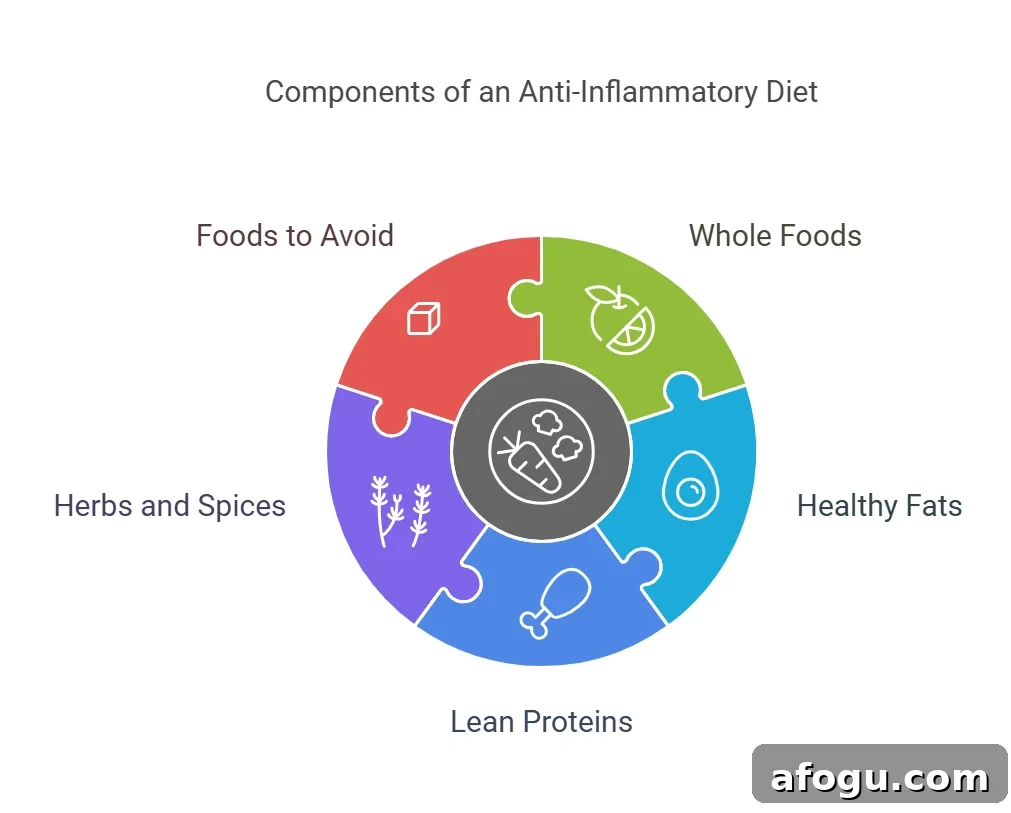
- An anti-inflammatory diet emphasizes whole foods. Fill your plate with fruits, vegetables, whole grains, moderate healthy fats, lean proteins, and spices like turmeric and ginger. Minimize processed foods, added sugars, and excess alcohol.
- Progress, not perfection, is the goal. Focus on small, sustainable steps and be kind to yourself as you build habits that last.
What is Inflammation?
Inflammation is the body’s natural response to injury or infection. Acute, short-term inflammation helps protect and heal. Chronic inflammation, however, can persist and contribute to ongoing symptoms that affect daily life.
There is no single definition of an “anti-inflammatory” diet, but health experts generally agree that diets focusing on whole, unprocessed foods and limiting inflammatory triggers are beneficial.
Warning Signs of Chronic Inflammation
Common signs that chronic inflammation may be present include:
- Unexplained or persistent body pain
- Ongoing fatigue
- Trouble sleeping
- Depression or low mood
- Anxiety
- Digestive issues (diarrhea, constipation, acid reflux)
- Frequent infections
- Unintended weight change
What Causes Chronic Inflammation?
Chronic inflammation can stem from many factors, often interacting together:
- Poor diet and excessive processed foods
- Chronic stress and lack of sleep
- Infections or autoimmune conditions
- Environmental toxins and smoking
- Sedentary lifestyle and obesity
- Hormone imbalances, medications, genetics, or unknown causes
Anti-Inflammatory Diet 101: What You Need to Know
An anti-inflammatory approach emphasizes whole, nutrient-dense foods and reduces intake of items that can promote inflammation. This pattern may help lower the risk of chronic diseases such as heart disease, diabetes, and arthritis. Practical, simple meal plans and recipes make it easier to stick with these changes.
Anti-Inflammatory Foods List
Perfection isn’t required. Start small and add more anti-inflammatory choices over time. The following foods are staples that support reduced inflammation and better overall health.
Fruits and Vegetables
Fruits and vegetables provide antioxidants, fiber, and nutrients that help fight inflammation.
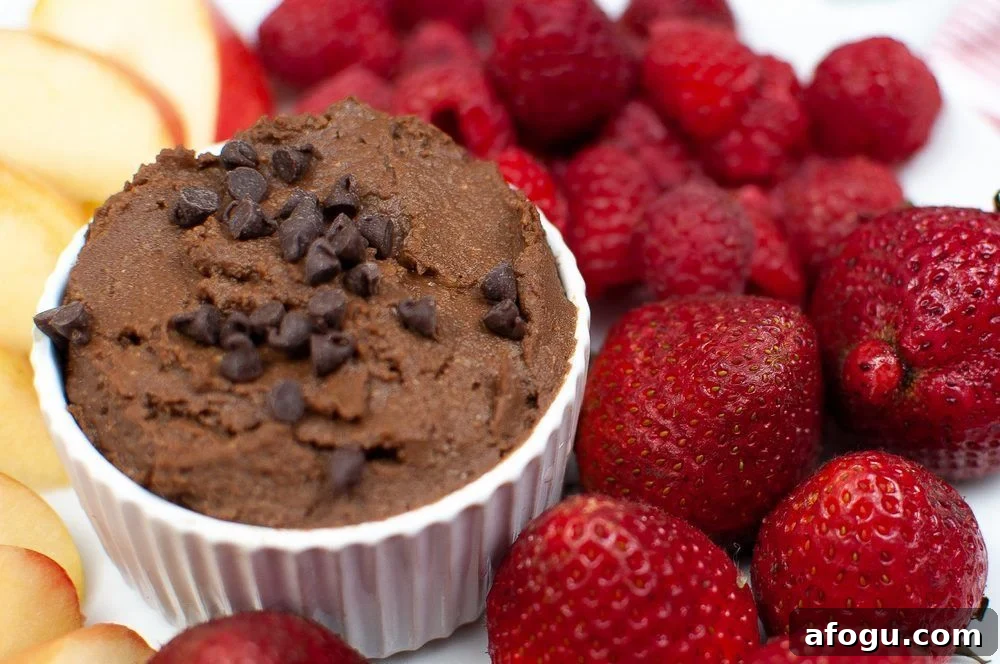
- Berries: Blueberries, raspberries, and blackberries are rich in anthocyanins and antioxidants.
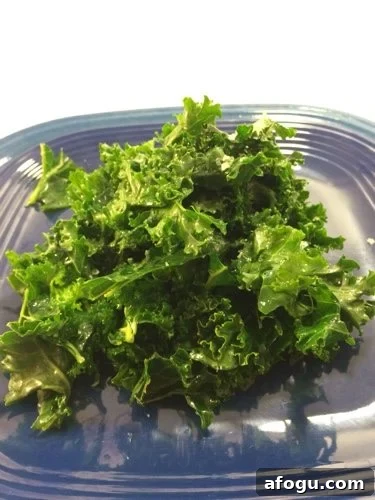
- Leafy Greens: Spinach, kale, and Swiss chard offer vitamins and minerals that support recovery and immunity.
- Cruciferous Vegetables: Broccoli, cauliflower, and Brussels sprouts contain compounds like sulforaphane that help lower inflammation.
Whole Grains
Whole grains provide fiber and nutrients that support gut health and steady blood sugar.
- Oats: A hearty, customizable breakfast base—try berries and cinnamon on top.
- Brown Rice: A useful staple with selenium and magnesium.
- Other Options: Try farro, barley, or quinoa for variety and added nutrients.
Healthy Fats
Healthy fats support cell function and help reduce inflammation when consumed in moderation.
- Avocados: Provide monounsaturated fats and potassium—great in salads or dips.
- Olive Oil: Use sparingly for its anti-inflammatory benefits.
- Nuts and Seeds: Almonds, walnuts, chia, and flaxseed add healthy fats and fiber—watch portion sizes.
Lean Proteins
Lean proteins help repair tissue and sustain energy without promoting inflammation.
- Fatty Fish: Salmon, mackerel, and sardines supply omega-3 fatty acids.
- Poultry: Skinless chicken and turkey are low-fat protein choices.
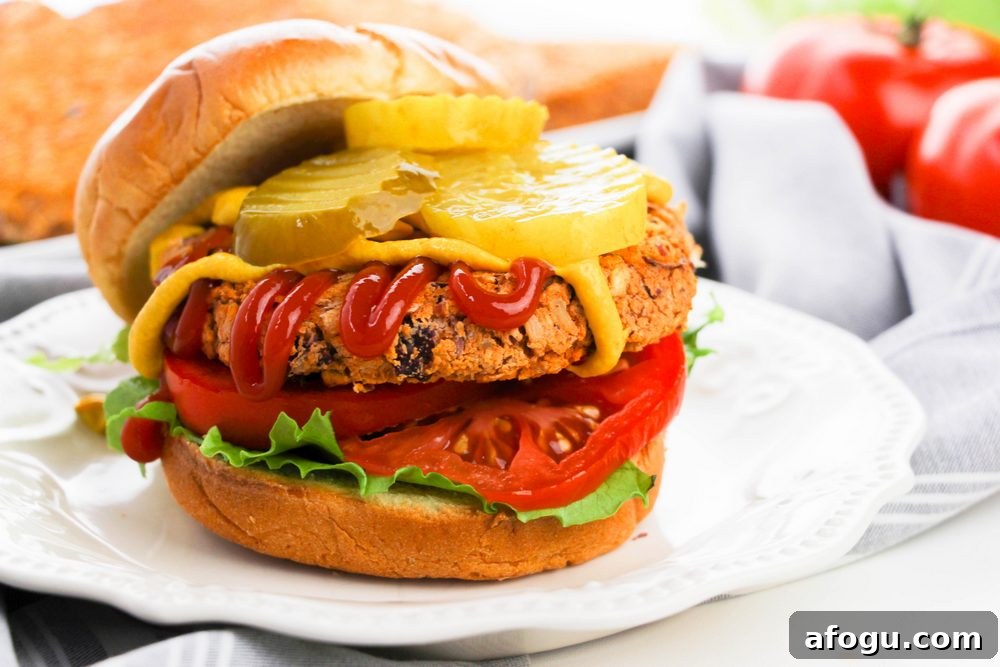
- Beans and Legumes: Lentils, black beans, and chickpeas are nutrient-dense and filling.
Herbs and Spices
Season generously with herbs and spices that add flavor and anti-inflammatory compounds.
- Turmeric: Curcumin is linked to reduced inflammation; use in soups, stews, and roasted vegetables.
- Ginger: Fresh or powdered ginger works well in stir-fries, sauces, and tea.
- Cinnamon: Adds warmth and helps stabilize blood sugar when used on oats, fruit, or in baking.
Foods to Avoid
- Processed Foods: Limit items high in added sugar, trans fats, and refined carbs, like sugary snacks and fried foods.
- Red and Processed Meats: Reduce intake of sausages, hot dogs, and heavy red meat portions.
- Sugary Drinks: Avoid sodas and sweetened beverages.
- Excess Alcohol: Alcohol can worsen inflammation for some people.
My Story of Finding Health Again
For years I struggled with digestive issues, sudden severe heartburn, bloating, fatigue, and low mood. Tests and medications offered little relief until I received a diagnosis of sucrose intolerance and made targeted dietary changes. The process took time, but changes in diet and habits led to significant improvement.

Today I have more energy, greater resilience, and long-term weight and health improvements. I share this because I understand how overwhelming the journey can feel, and small steps truly add up.

As I experienced healing and transformation, I believe positive changes are possible for others too.
Let Go of Guilt
Chronic symptoms can provoke guilt around food choices or needing to rest. It’s important to remember that having chronic pain or fatigue is not your fault. Releasing guilt allows you to focus on small, effective changes that improve health over time.
Focus on What You CAN Control
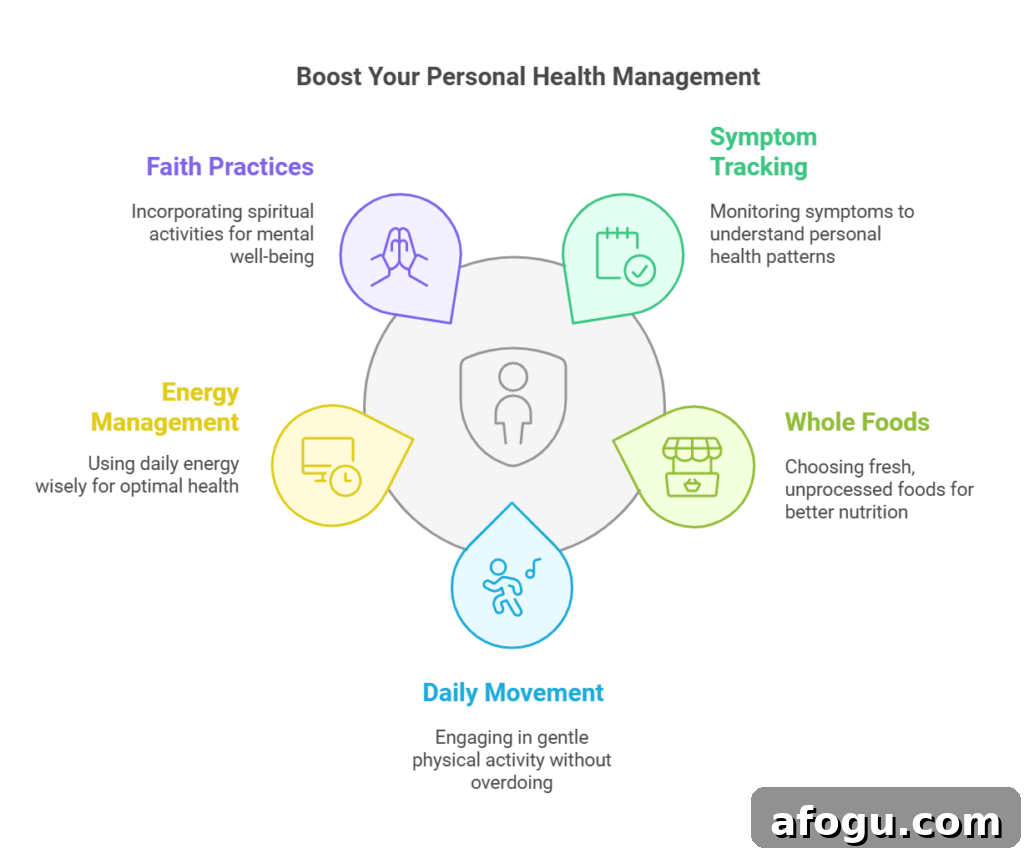
While many factors are outside your control, you can take practical steps:
- Track symptoms to discover what helps your body feel better.
- Choose fresh whole foods whenever possible.
- Move daily, even briefly—five minutes counts.
- Be intentional with your energy and prioritize what matters each day.
- Nurture spiritual or reflective practices and surround yourself with supportive people.
Lifestyle Habits to Reduce Inflammation
Daily habits complement dietary choices when reducing inflammation:
- Gentle aerobic activity such as walking, swimming, cycling, or Tai Chi
- Stretching or yoga to support mobility and reduce tension
- Adequate sleep, aiming for 7–9 hours nightly
- Stress management through meditation, deep breathing, journaling, or gratitude practices
- Time outdoors to restore mood and support the immune system
What about Supplements?
Talk with your healthcare provider before starting supplements. In general, prioritizing a nutrient-rich diet will provide the most reliable benefits. Supplements can help in specific cases, but they are not a substitute for a balanced eating pattern.
Anti-Inflammatory Food List PDF
A printable list of anti-inflammatory foods can make it easier to plan meals and grocery shops. Using a reference like this helps you include more of the foods that support recovery and well-being.
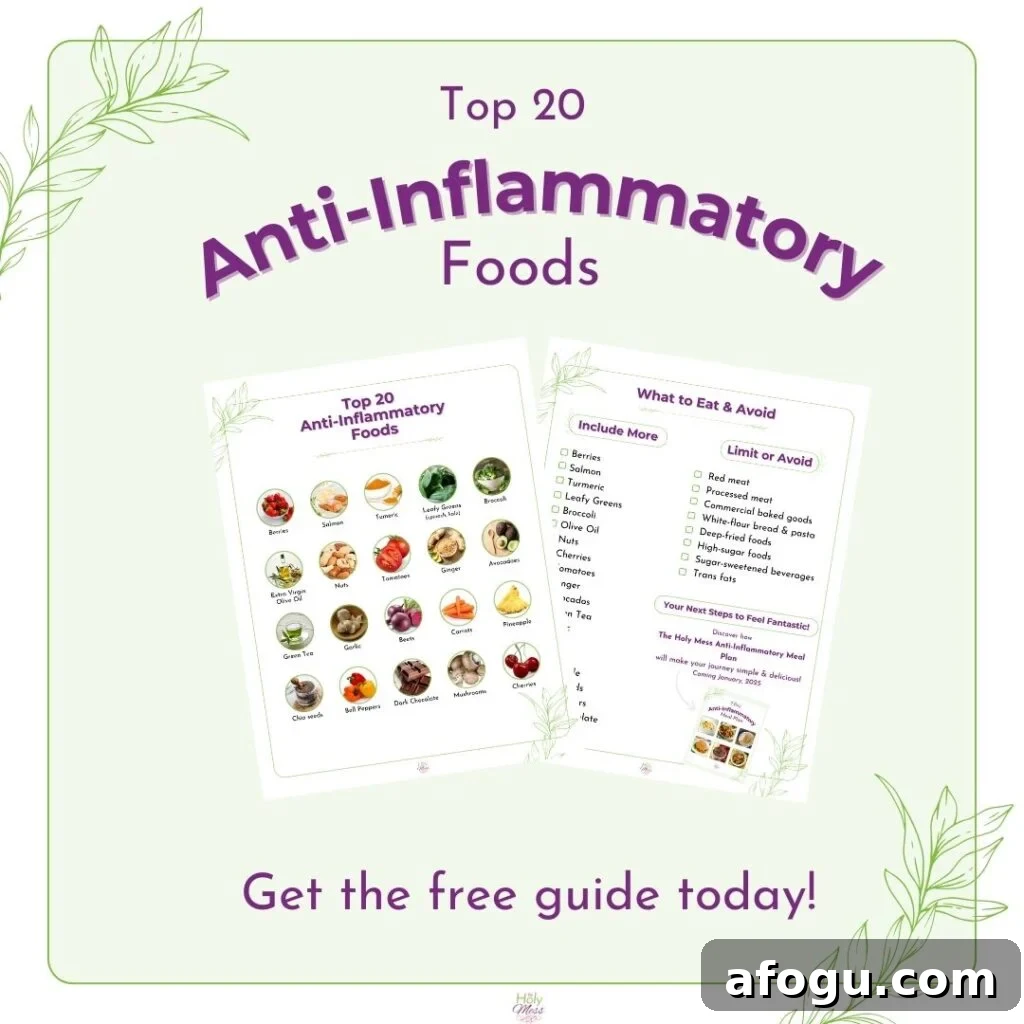
Free printable available to help you get started.
7 Day Anti-Inflammatory Meal Plan PDF
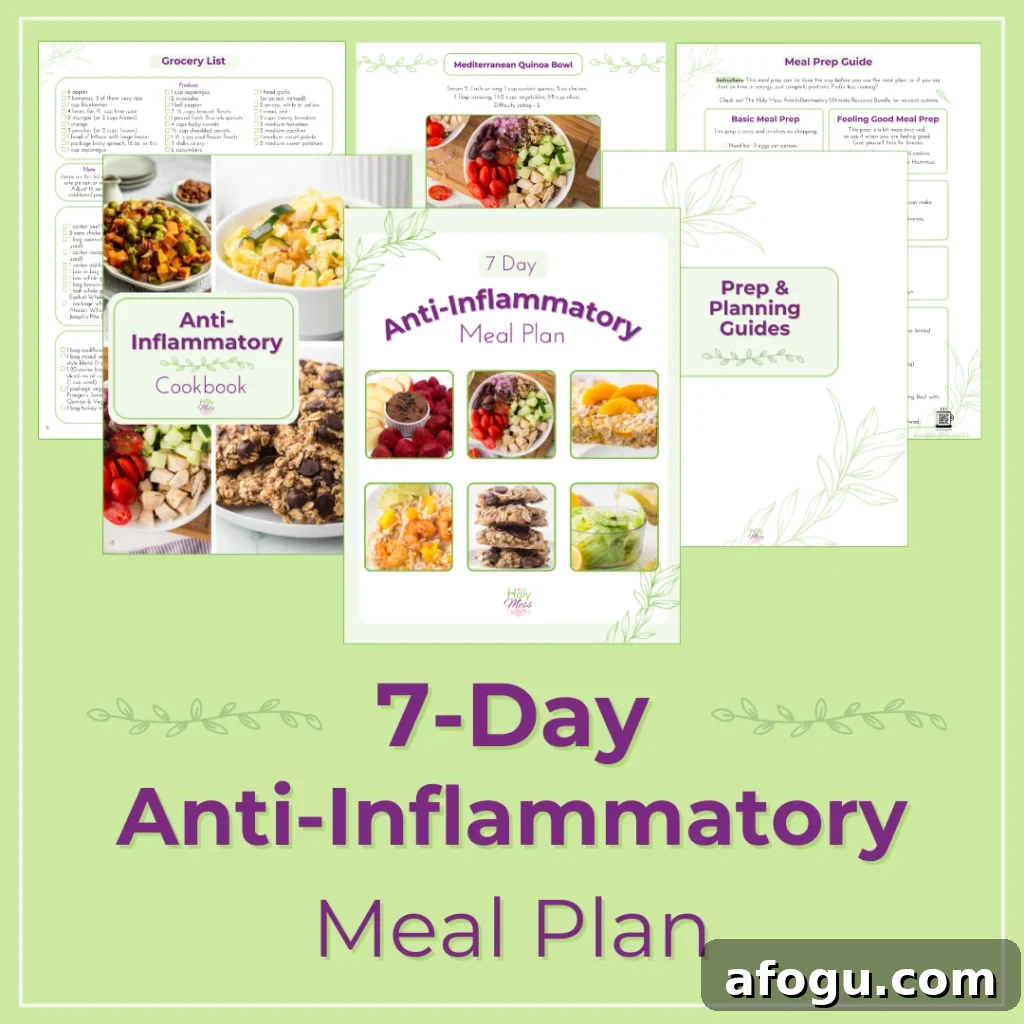
A focused 7-day plan can jump-start change. A simple meal plan provides balanced breakfasts, lunches, dinners, and snacks with clear shopping lists and prep tips to make healthy eating manageable on low-energy days.
- Daily meals and two snacks
- Nutritional information and guidance for portioning
- Practical tips to simplify meal prep
- Printable grocery lists and pantry essentials
- Trackers to monitor progress and symptoms
Reduce Inflammation & Feel Better: Anti-Inflammatory Fast-Track Kit
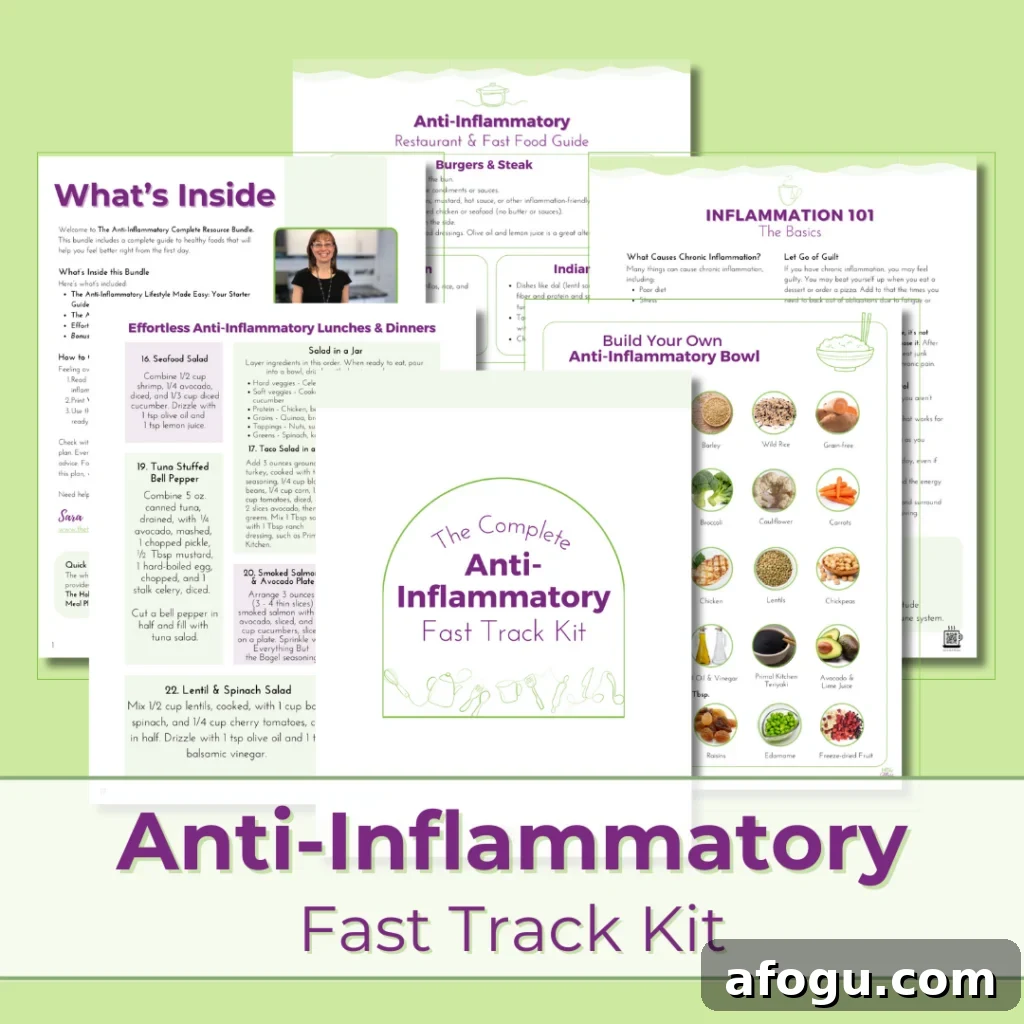
A starter kit can include easy steps, no-cook recipes, a shopping list, kitchen tips, and recommendations to take the guesswork out of beginning an anti-inflammatory lifestyle. Practical resources reduce overwhelm and help you make steady progress.
Begin your healing journey by choosing one small change today—add a serving of leafy greens, swap soda for water, or take a short walk. Small steps build lasting results.
What small step will you take today toward reducing inflammation? Share your ideas or questions in the comments below—we’d love to hear from you.
More Articles You Will Enjoy
100 lb Weight Loss: How I Gained and (Then Lost 100 Pounds
30-Day Healthy Weight Loss Habits Tracker – Free Printable
How to Manage Depression and Chronic Pain
Secondary Traumatic Stress: How I Found Healing