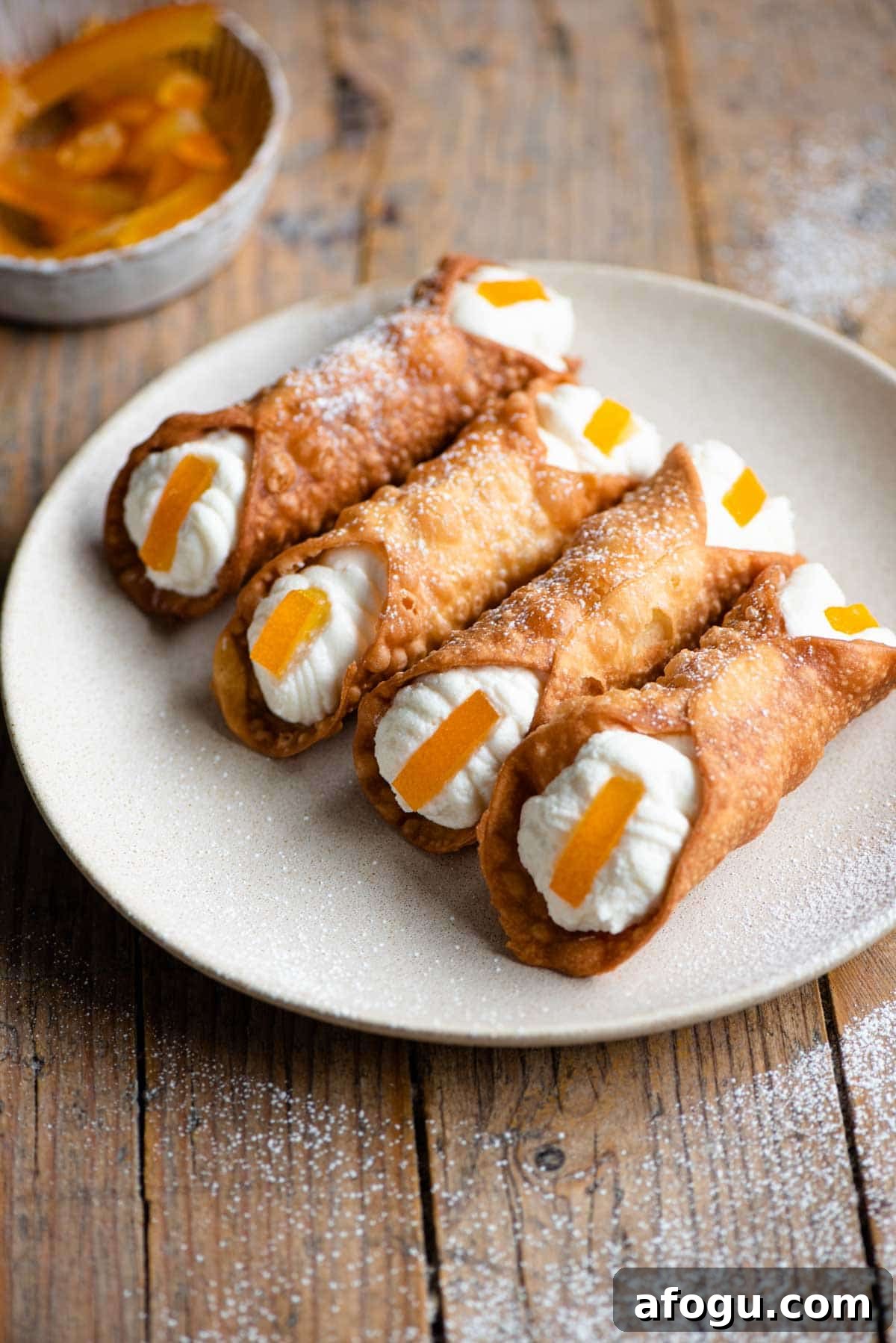
Make authentic Sicilian cannoli at home with this detailed recipe. Learn how to create crisp, golden-fried shells and a classic sweet ricotta filling for truly delicious homemade cannoli.
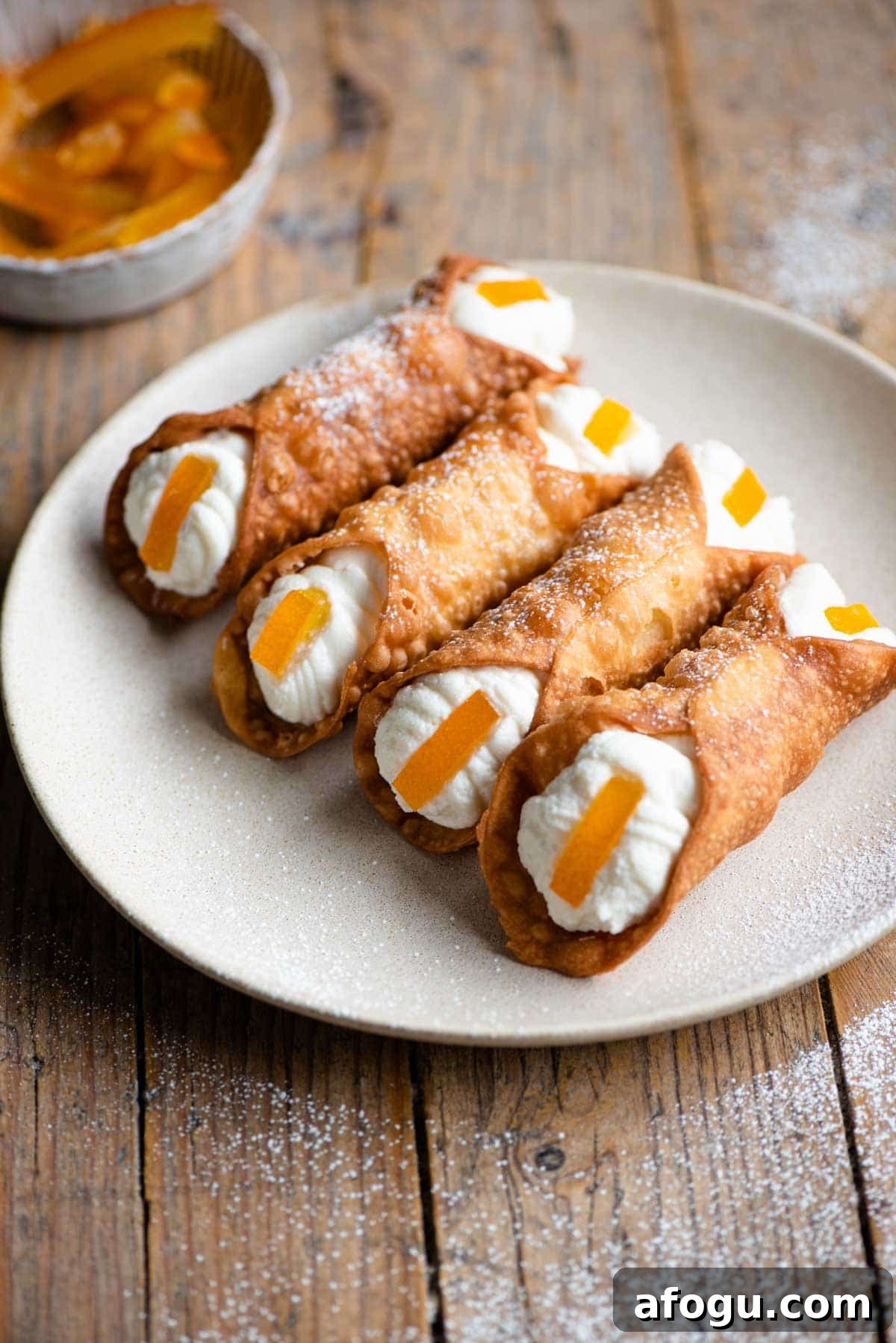
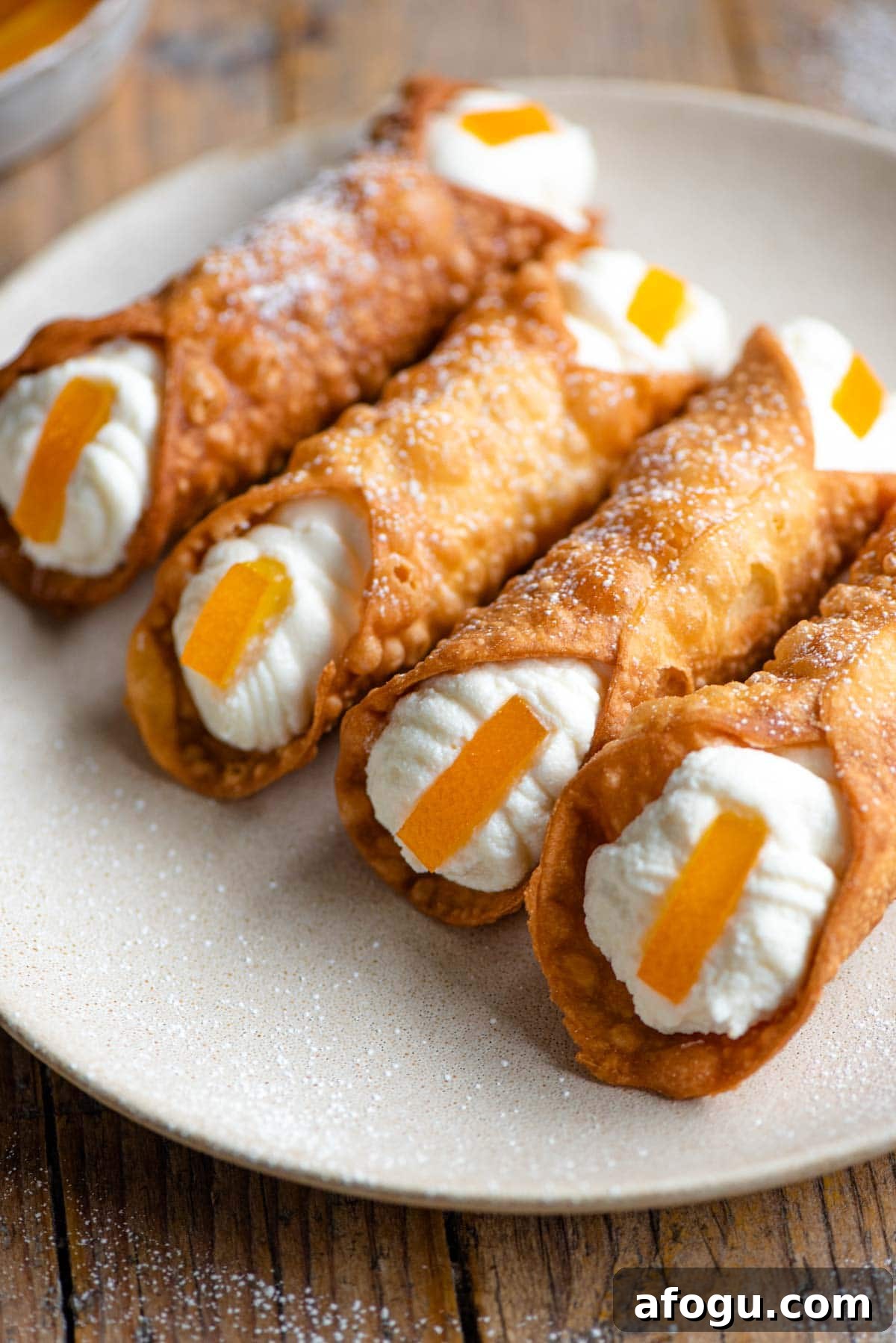
There’s nothing quite like freshly made cannoli: shells fried until bubbly and crisp, filled with lightly sweetened ricotta. These Sicilian pastries are iconic—often finished with candied orange peel or chopped pistachios for texture and flavor.
Making cannoli from scratch is a bit of work but not difficult. The shells take the longest, but they reward the effort with superior crunch and flavor. If you’re short on time, you can use the homemade filling with store-bought shells.
Update: After visiting Convento Santa Caterina in Palermo and tasting the nuns’ famous cannoli, I’m happy to say this recipe is very similar and needed no changes.
Ingredients – what you need
Below is a list of ingredients with brief notes to help you prepare both shells and filling.
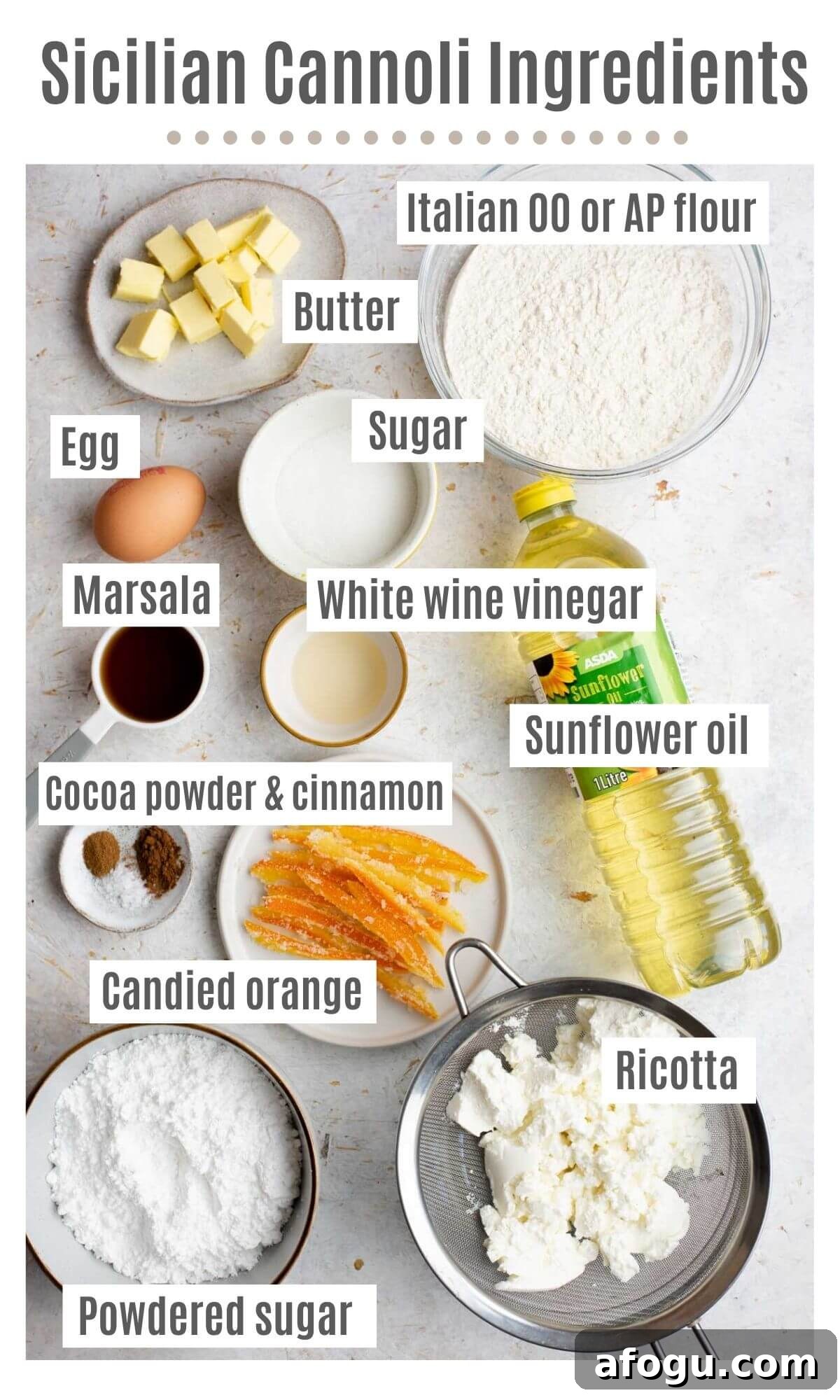
- Italian 00 or all-purpose flour: either works; 00 is traditional.
- Sugar: granulated or caster sugar.
- Cocoa powder: a small amount for color (optional).
- Cinnamon: a pinch for flavor.
- Butter: cold from the fridge.
- Egg: one large egg; plus an extra white to seal shells if desired.
- Marsala wine: contributes sweetness and traditional flavor; white wine can substitute.
- White wine vinegar: helps produce light, crispy shells.
- Ricotta: about 4 cups (1 kg), drained well beforehand so the filling holds.
- Powdered sugar: mixed into ricotta; adjust to taste.
- Citrus zest: lemon or orange zest adds brightness (optional).
- Candied orange peel: traditional garnish for the ends.
- Sunflower or neutral oil: for deep frying.
Essential equipment
- Cannoli tubes: metal tubes are common for shaping and frying.
- Candy thermometer: to keep oil at the correct temperature.
- Pasta machine or rolling pin: for thinning the dough.
- Kitchen paper: to drain fried shells.
- Tongs: for safely handling shells in hot oil.
Visual walk-through of the recipe
Step-by-step photos are shown above. The full written instructions and tips follow below.
Important tip: Drain the ricotta in a sieve set over a bowl and refrigerate for at least 4 hours or overnight. Well-drained ricotta yields a firmer, creamier filling that won’t make the shells soggy.
Making the cannoli dough
Combine flour, sugar, cinnamon and cocoa powder in a large bowl. Cut cold butter into cubes and rub into the dry ingredients until the mixture resembles coarse breadcrumbs.
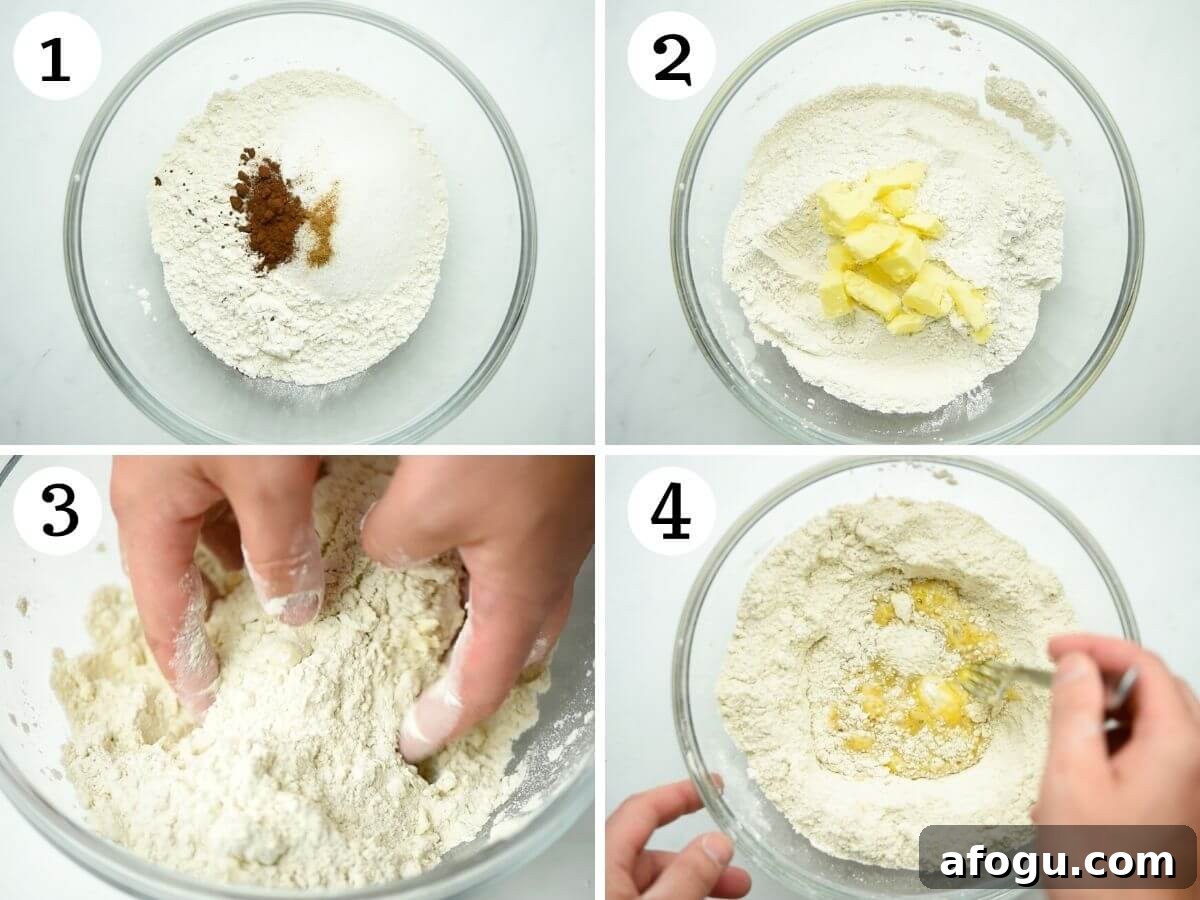
Make a well in the flour, add the beaten egg, vinegar and marsala, and mix with a fork until a rough dough forms. Turn the dough onto a clean surface and knead for 7–10 minutes — this develops small bubbles that create the characteristic flaky texture when fried.
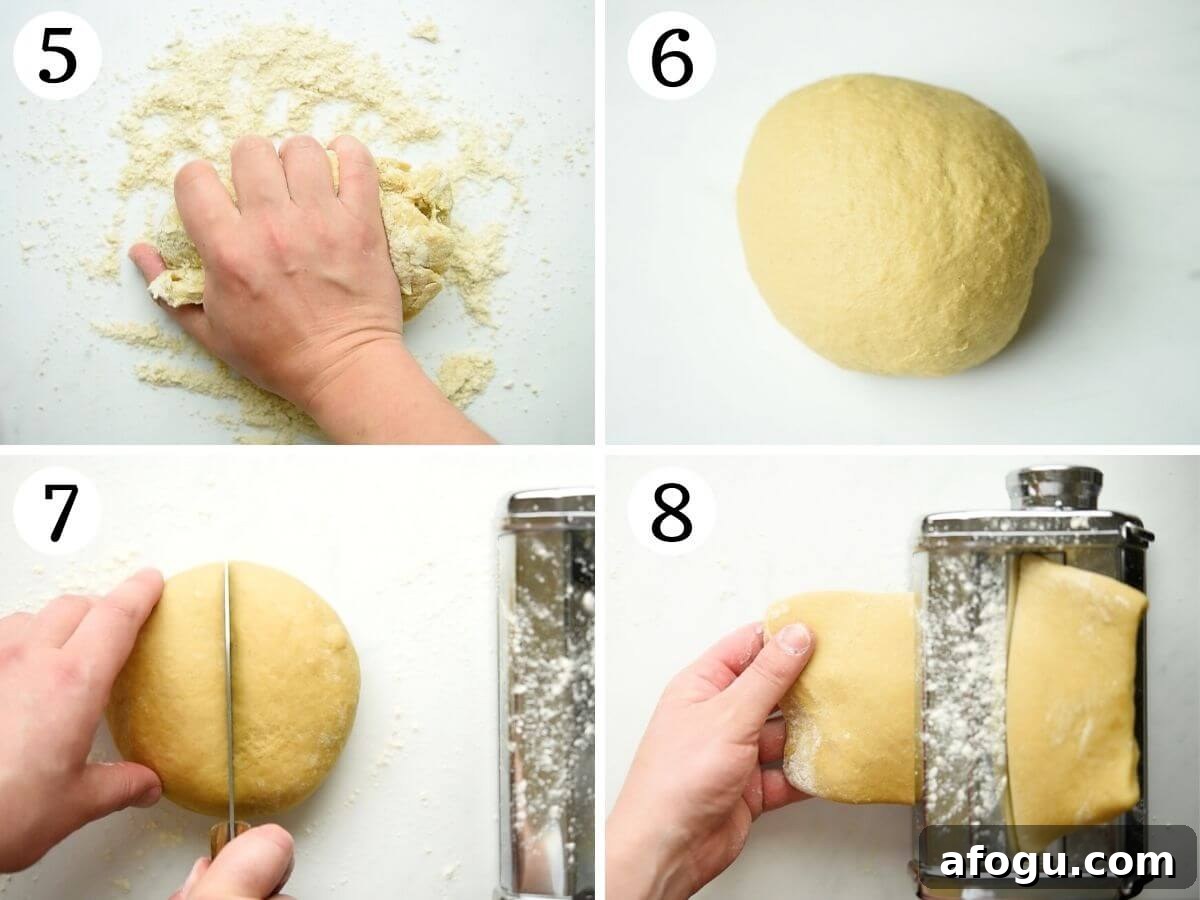
Wrap the dough in plastic and chill for 30 minutes to 1 hour, or refrigerate overnight. Prepare a pot with 2–3 inches (5–7 cm) of oil and heat to 356°F (180°C) using a candy thermometer.
Lightly flour your surface and pasta machine. Divide the dough, flatten one piece to fit the widest setting of the pasta machine (or roll it with a rolling pin).
Rolling out the dough
Pass the dough through the widest setting, fold and repeat several times to create an even texture. Then progress to thinner settings until the dough is about 2 mm (1/16 inch) thick. If using a Marcato Atlas, this is typically setting 6.
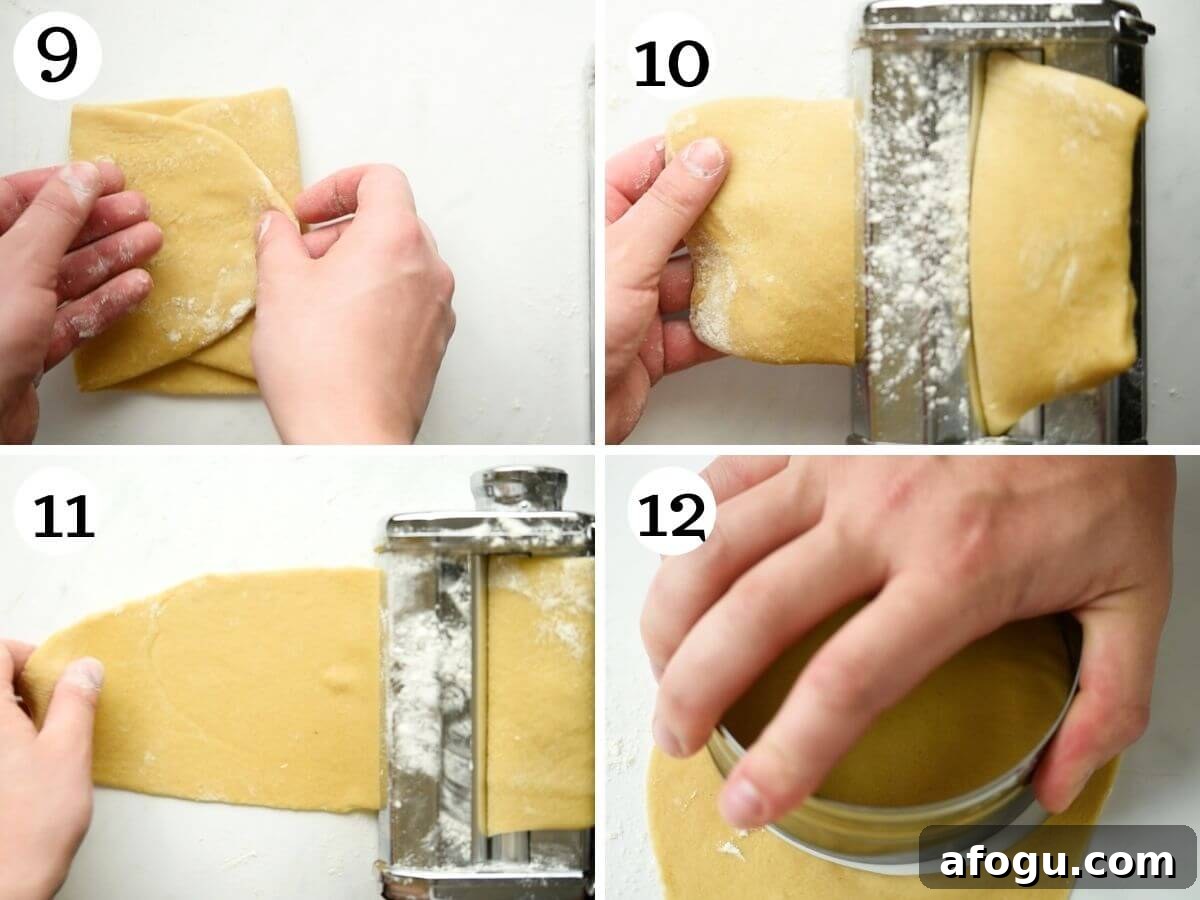
If you don’t have a pasta machine, roll the dough very thin (about 2 mm) on a lightly floured surface using a rolling pin.
Shaping
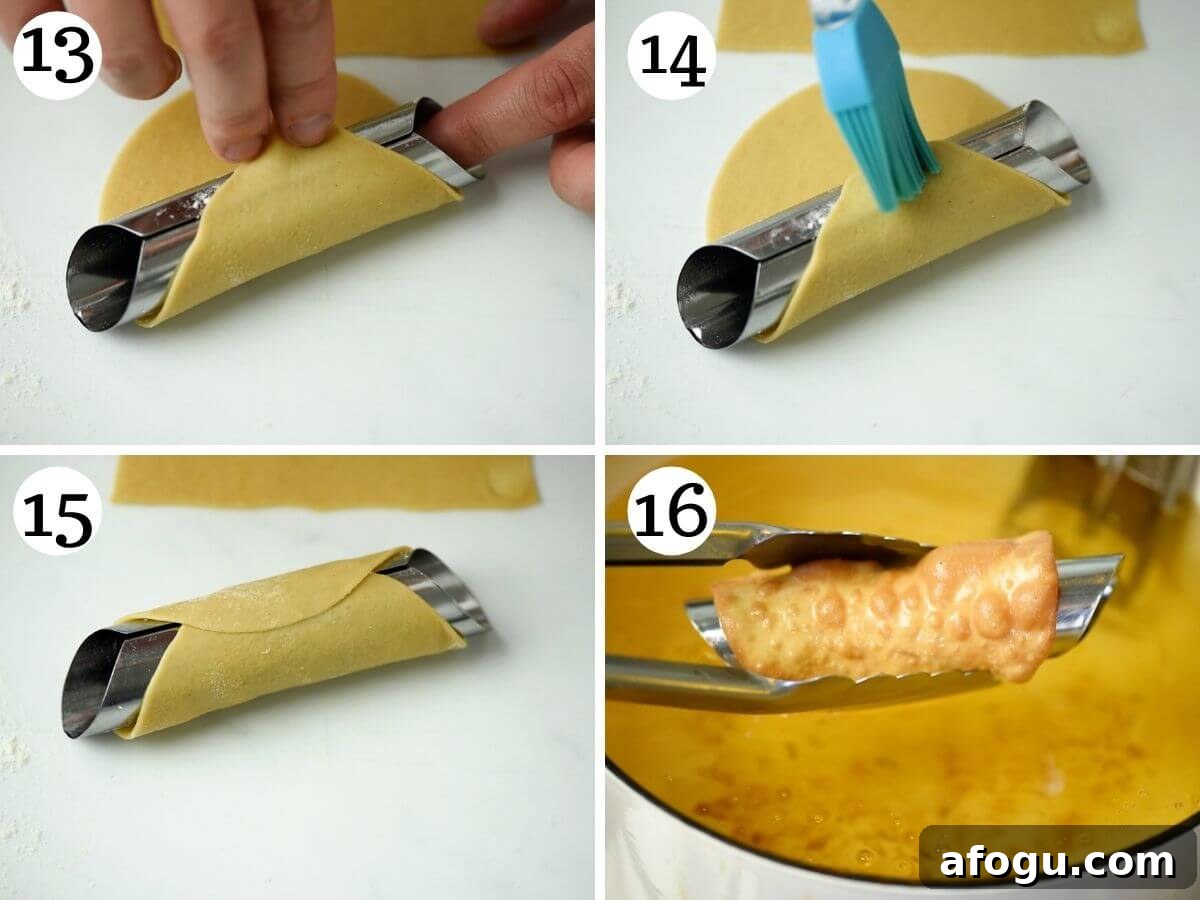
Cut rounds roughly 4–5 inches (10–12 cm) in diameter (or adjust to desired size). Wrap each round around a cannoli tube and seal with a tiny dot of egg white.
Fry the shells in batches in hot oil until golden and puffed. Drain on kitchen paper. Allow tubes to cool before reusing if you have only a few.
How to make the filling
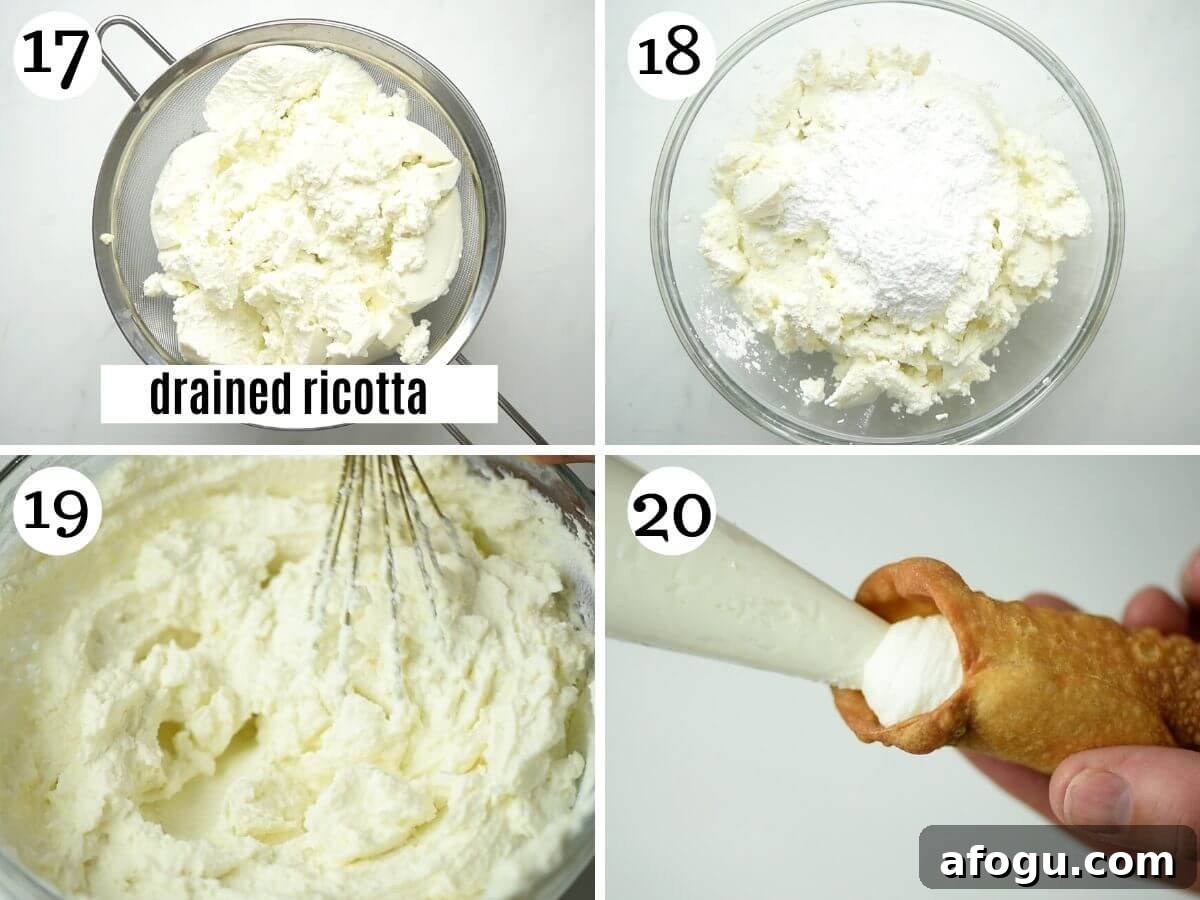
Place drained ricotta and powdered sugar in a bowl and mix until smooth and combined. Fold in citrus zest if using. Transfer the mixture to a piping bag and fill the shells just before serving. Garnish each end with candied orange or chopped pistachios.
Filling options and variations
The classic ricotta filling is lightly sweetened and often enhanced with lemon or orange zest. You can also fold in chocolate chips, chopped candied fruit, or nuts. For a finishing touch, dip the ends in melted chocolate and roll in chopped pistachios or hazelnuts.
FAQs
Knead the dough for about 7–10 minutes to develop tiny bubbles throughout. These pockets expand while frying and create the light, flaky texture in the shells.
Yes. You can make the shells and keep the filling refrigerated for up to three days. Fill the shells no more than 30–60 minutes before serving to prevent them from softening.
Stored in an airtight container, unf illed cannoli shells keep well for 1–2 weeks.
Drain the ricotta thoroughly and fill shells shortly before serving. Keeping a piping bag filled in the fridge allows quick assembly and helps maintain crispness.
More Italian desserts you might like
- Cenci di Carnevale (Chiacchiere, Crostoli, Bugie) – Italian fried pastries
- Struffoli – Italian honey balls
- Tiramisu – authentic recipe
- Crostata di frutta – Italian fruit tart
- White chocolate panna cotta
- Pignoli cookies (Biscotti ai pinoli)
If you try this cannoli recipe, please leave a rating or comment to share how it turned out. I love hearing feedback and tips from home bakers.
Step By Step Photos Above
Most of our recipes include step-by-step photos and helpful tips to make the recipe succeed the first time.
Homemade Sicilian Cannoli
By Emily

Equipment
- Cannoli tubes
- Pasta machine or rolling pin
- Candy thermometer
- Kitchen paper for draining
Ingredients
- 1 3/4 cups plus 1 tbsp (250g) Italian 00 or all-purpose flour
- 4 tbsp (55g) cold butter
- 1 large egg, beaten (plus 1 egg white for sealing)
- 1/4 cup (50g) sugar
- 1/4 cup (60ml) Marsala
- Pinch of cinnamon
- 1/2 tsp cocoa powder (optional)
- 1 tbsp white wine vinegar
- Sunflower or neutral oil for frying
Filling
- 4 cups ricotta, drained (1 kg)
- 1 cup powdered sugar
- Zest of 1 lemon or orange (optional)
- Candied orange, nuts or chocolate chips for garnish
Instructions
- Drain the ricotta: Place it in a sieve over a bowl and refrigerate for at least 4 hours or overnight.
Making the cannoli dough
- Mix flour, sugar, cinnamon and cocoa powder in a large bowl.
- Cut cold butter into cubes and rub into the flour until it resembles breadcrumbs.
- Add the beaten egg, vinegar and Marsala into a well and mix until a rough dough forms.
- Knead on a floured surface for 7–10 minutes to develop bubbles.
- Wrap and chill the dough for 30 minutes to 1 hour (or overnight).
Rolling out the dough
- Heat oil to 356°F (180°C) with a candy thermometer.
- Lightly dust the pasta machine and pass the dough through the widest setting several times, folding between passes.
- Continue through thinner settings until about 2 mm thick (if using Marcato Atlas, setting 6).
Rolling pin method (optional)
- Roll the dough very thin (about 2 mm) on a lightly floured surface if you don’t have a pasta machine.
Shaping
- Cut 4–5 inch rounds. Wrap each around a cannoli tube and seal with a dot of egg white.
- Fry in batches until golden and puffed. Drain on kitchen paper and cool before removing from tubes.
Make the filling
- Mix drained ricotta with powdered sugar (and zest if using) until smooth. Pipe into shells just before serving and garnish ends.
Filling options
- Fold in chocolate chips or chopped candied fruit, or dip ends in chocolate and nuts for variation.
Notes
- Measuring flour: If using cups, spoon flour into the cup and level with a knife for accuracy.
- Resting the dough: Chilling lets the gluten relax and makes rolling easier.
- Roll thin: Very thin dough is essential for crisp shells.
- Size and shape: A 4–5 inch cutter works well; squares are fine if preferred.
- Sealing edges: Use egg white sparingly and avoid getting it on the tubes.
- Fry in batches: Do not overcrowd the oil or it will cool and affect frying.
- Prepare ahead: Filling can be refrigerated up to 3 days. Fill shells shortly before serving.
- Leftovers: Unfilled shells store in an airtight container for about 2 weeks.
Helpful Info for All Recipes
- I use extra virgin olive oil in recipes unless stated otherwise.
- Vegetable sizes are medium unless noted.
- Recipes are tested using a convection (fan) oven where applicable.
Nutrition
Carbohydrates: 20 g |
Protein: 7 g |
Fat: 23 g |
Saturated Fat: 7 g |
Sugar: 9 g
Nutrition is an estimate and should be used as a guide.
Did you try this recipe?
Leave a comment below!