Kimchi Recipe
Kimchi is a traditional Korean spicy pickled vegetable. Vegetables are first brined, then rinsed and mixed with a flavorful paste of onion, garlic, ginger and chillies before being allowed to ferment. While napa cabbage is the most common base, kimchi can be made with a wide variety of vegetables — and even fruit — making it a versatile way to preserve surplus produce.
Kimchi is used in soups, stews, dumplings, pancakes, grilled cheese sandwiches, mashed potatoes and many other dishes. This recipe produces roughly one litre of kimchi, which is ideal for experimenting; the method scales up or down easily depending on how much you want to make.
To begin, you’ll need one or more sealable jars large enough for the quantity of vegetables you plan to ferment. Sterilise jars by washing in very hot water, draining and placing in an oven heated to 140°C for 15 minutes.
Ingredients
Vegetables
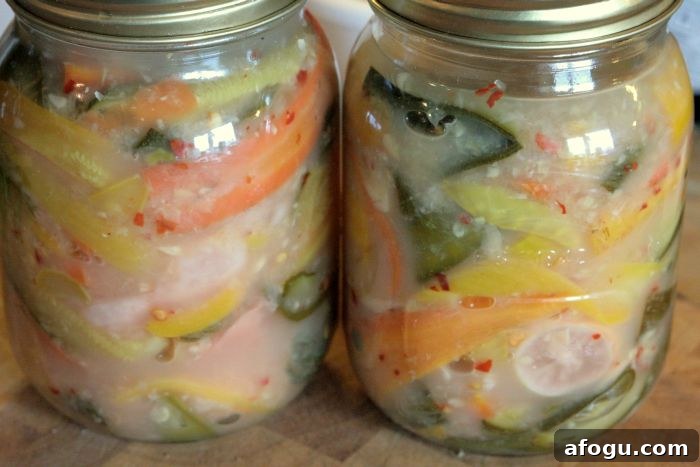
For this batch I used a mix of thickly sliced multicoloured carrots, green and yellow mange tout, thinly sliced coloured courgettes (3–5 mm) and sliced radishes.
You can also use napa or other cabbages, cucumbers, root vegetables and many other seasonal ingredients.
Brine
1 litre water
60 g sea salt
Spice paste
3–4 cloves garlic, peeled
A knob of fresh ginger, scraped
1 large onion, peeled
Fresh chilli or dried chilli flakes, to taste
Method
Make the brine by dissolving 60 g sea salt in 1 litre of water. Stir until fully dissolved. Warming the water makes this easier; allow the brine to cool to room temperature before use.
Place the prepared vegetables in a non-metallic bowl and pour over the cooled brine. Use a plate or similar weight to keep the vegetables submerged. Leave to brine for 6–8 hours or overnight.
After brining, strain the vegetables and reserve the brine. Rinse the vegetables under plain water in a colander until the salt level is pleasant to your taste — still slightly salty but not overpowering.
Prepare the spice paste by processing the garlic, ginger, onion and chilli into a coarse paste in a food processor. Adjust the chilli to your preferred heat level — it’s easy to add more later, so start conservatively if you’re unsure.
Some traditional kimchi recipes add a splash of fish sauce, shrimp paste or a rice porridge (cooked rice or flour sweetened slightly) as part of the spice base. These ingredients are optional and may change the flavour and texture; feel free to experiment in later batches.
Wearing gloves if needed, mix the spice paste thoroughly into the drained vegetables so the pieces are evenly coated. Pack the mixture tightly into your sterilised jar, pressing down firmly so the vegetables release juice and are submerged. If there isn’t enough liquid, top up with some of the reserved brine. Seal the jar.
Store the jar in a warm place (about 20–24°C) to ferment. Fermentation usually takes 7–10 days depending on temperature and personal taste. Check and taste daily to monitor progress — kimchi will become tangier and more developed the longer it ferments.
When the flavour is to your liking, transfer the jar to the refrigerator to slow fermentation. Use your kimchi in dishes or as a condiment, and continue to experiment with different vegetables, spice levels and additional seasonings to create your preferred version.
I’d love to hear how your batch turns out — please share your experience in the comments.
Manh-i deuseyo!