Let me make one thing clear from the start: although I’m discussing the anti-inflammatory diet, I don’t think of it as a “diet” in the temporary sense. To me, a diet implies something you “go on” for a short period and then abandon for less healthy habits. That’s not the case here.
This is a lifestyle.
The anti-inflammatory approach is a sustainable way of eating intended to be a lifelong practice. It supports long-term health and vitality rather than short-term fixes.
It’s not about yo-yo dieting, calorie counting, or strict portion measuring. While weight can be affected, the primary focus is overall health and reducing inflammation in the body.
And it’s not a fad. The emphasis is on adding wholesome, nourishing foods more than obsessively restricting certain items.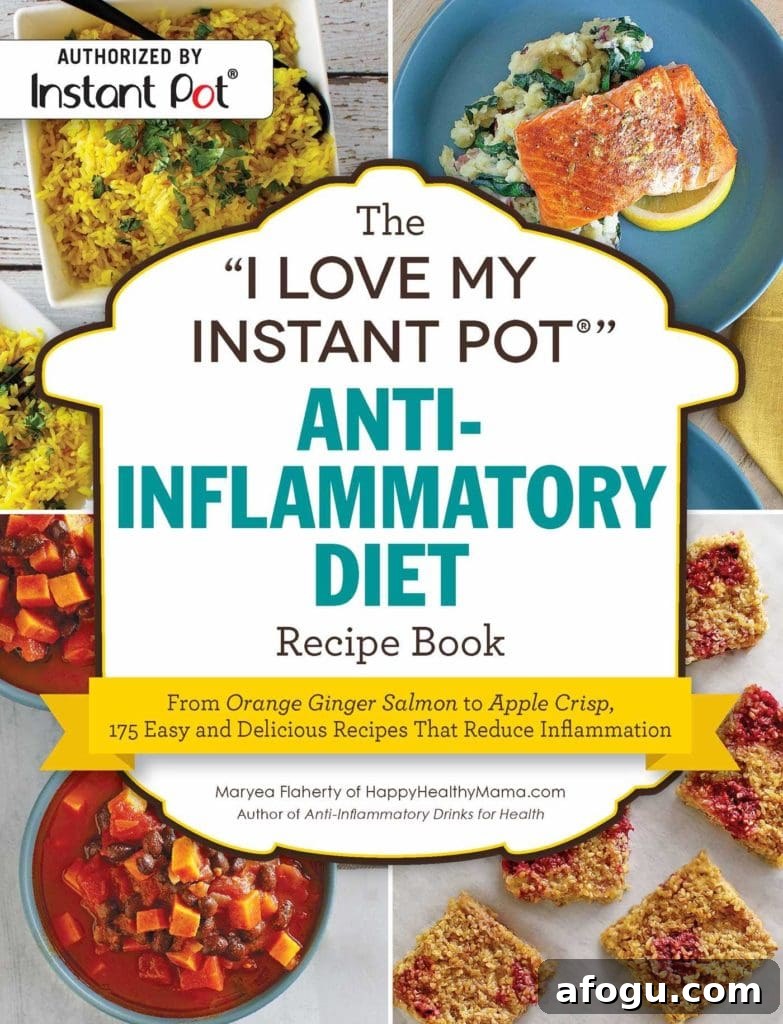
With my second cookbook centered on anti-inflammatory recipes about to be released (preorder available), now is a great time to explain what this way of eating really means and who benefits most from it. My first book, Anti-Inflammatory Drinks for Health, explores similar themes in beverage form.
Hint: it’s suitable for everyone.
What is the Anti-Inflammatory Diet?
The anti-inflammatory diet is designed to lower chronic inflammation in the body. Short-term inflammation is a healthy, necessary response to injury or infection, but when inflammation becomes persistent it’s associated with many chronic diseases.
Research links chronic inflammation to conditions ranging from heart disease and diabetes to autoimmune disorders and cancer. The encouraging news is that dietary choices can influence inflammation levels and help reduce risk.
In practical terms, the anti-inflammatory lifestyle focuses on increasing foods that support health and reduce inflammation while limiting foods that tend to promote it. The core idea is simple: eat more nourishing whole foods and fewer processed, inflammatory items.
The central components are fresh vegetables and fruits, whole grains, legumes, and healthy fats. Emphasizing these foods naturally reduces reliance on refined carbohydrates, fried foods, and highly processed products that can drive inflammation.
In short, it’s not a trendy short-term plan but a sustainable, health-promoting way of eating.
Who is the Anti-Inflammatory Diet For?
The anti-inflammatory diet is particularly beneficial for people living with autoimmune conditions, chronic illnesses, or serious diseases such as heart disease, diabetes, and cancer. For those individuals, adopting anti-inflammatory principles can help manage symptoms and support overall health.
It’s also an excellent choice for people who want to prevent these conditions. Adopting anti-inflammatory eating habits helps reduce long-term risk and supports everyday wellbeing. Because of that, this approach is appropriate for virtually everyone.
Individuals with chronic health concerns may adopt a stricter version of the diet, while those focused on prevention can take a more flexible approach. Either way, everyone gains from emphasizing whole, nutrient-dense foods and minimizing known inflammatory triggers.
How Do I Get Started?
If switching to this way of eating feels daunting, begin with small, achievable steps. Add one or two extra servings of fresh vegetables each day, then gradually remove common inflammatory foods such as fried items and refined carbs. Use simple food lists to guide choices and proceed at a comfortable pace.
The goal is to create a sustainable routine that becomes second nature. Over time, nourishing foods will feel natural and satisfying; your body will begin to crave wholesome choices.
I love showing how simple, delicious, and approachable anti-inflammatory meals can be. Explore recipes designed around these principles to make the transition easier. If you enjoy or want to try pressure-cooking, Instant Pot recipes centered on anti-inflammatory ingredients can speed meal prep and expand your options.
If you have questions or want guidance as you adopt this lifestyle, feel free to reach out. I’m here to help you make nourishing, lasting changes for better health.