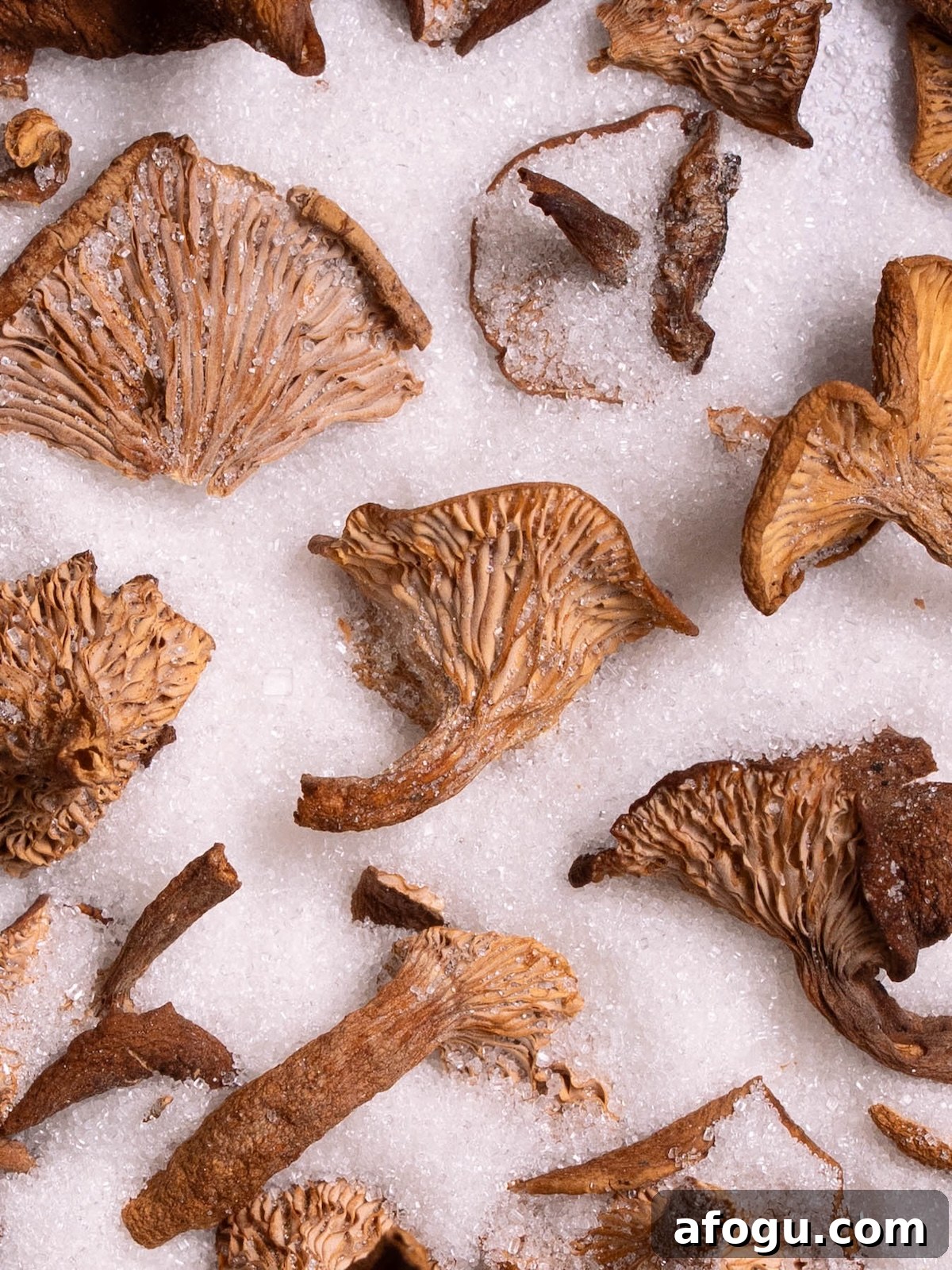
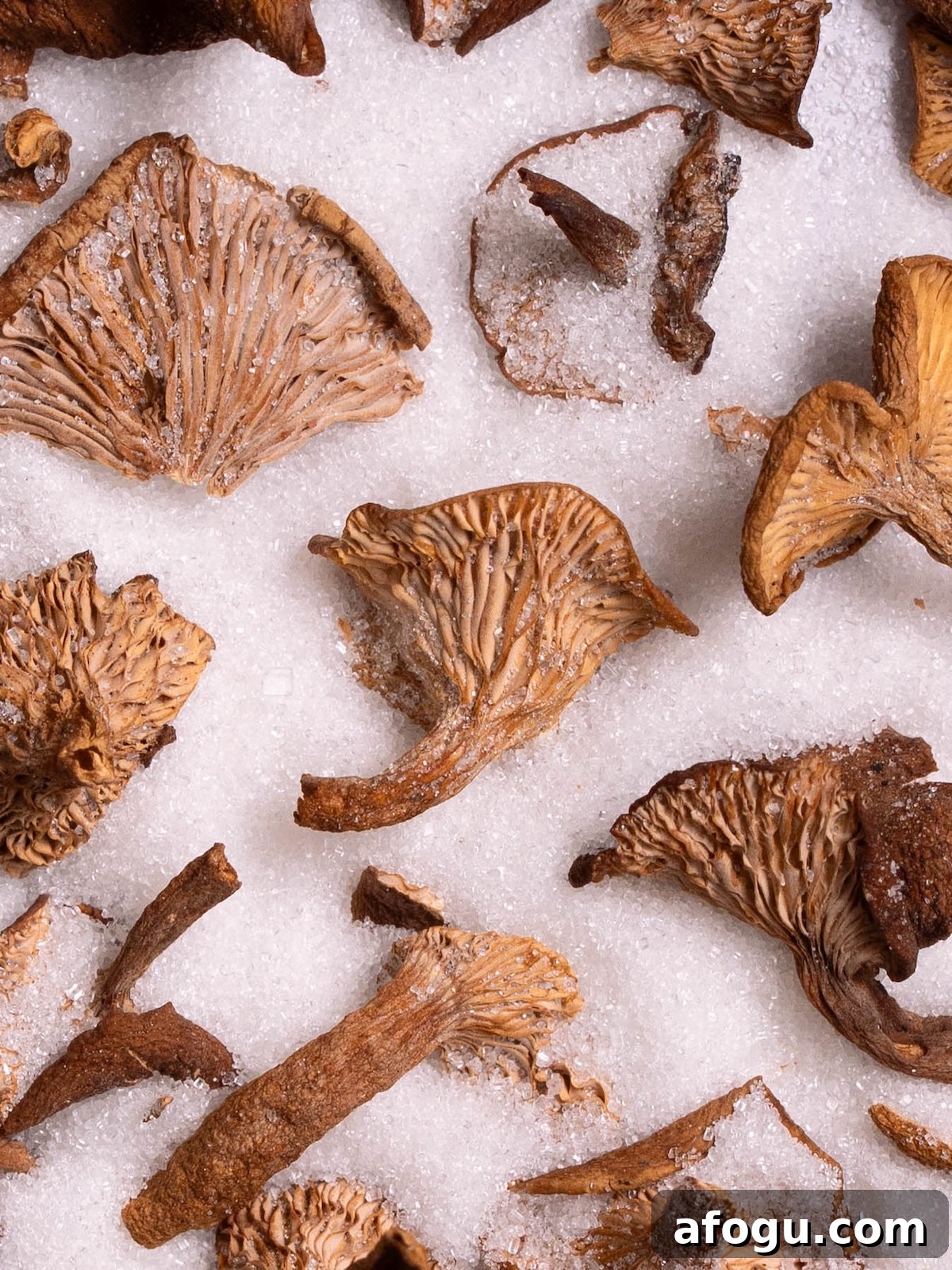
Candy cap mushrooms are one of the most enchanting ingredients in the world of wild foods — and a personal favorite for baking. Small and brown, these mushrooms give off an unmistakable maple-syrup aroma that becomes even more intense when they are dried. That concentrated scent is what makes them so prized by bakers and foragers alike.
Unlike almost any other mushroom, candy caps are primarily used in sweets. Once you begin experimenting with them, you’ll quickly see why they inspire such devotion: they add a warm, toffee-like complexity to cookies, custards, syrups, frostings, drinks, and more.
Why candy caps are so special
Their signature quality is an intensely sweet, maple-like aroma with notes of warm syrup, brown sugar, and a hint of earthy umami. That subtle mushroom backbone gives candy caps depth, allowing them to enhance both sweet and some savory preparations. They shine in shortbreads and other cookies, sugar syrups, caramel sauces, custards, ganache, ice creams, and even beverages.
Candy cap vs. maple syrup: The resemblance to maple is real, but candy caps are more aromatic than sugary. Their scent is floral and caramel-like with an earthy base that adds nuance rather than straightforward sweetness.
Where candy caps grow
Candy caps (commonly Lactarius rubidus on the West Coast and L. camphoratus or L. fragilis in other regions) grow in specific habitats and can be elusive. They are most often found in:
- Coastal California and the Pacific Northwest
- Coniferous or mixed hardwood forests
- Late fall through winter, depending on local climate
- Hidden in mossy patches, needle duff, on decaying wood, and under oak or pine
They’re small and easy to miss, which makes finding them feel like a little victory.
How to identify candy cap mushrooms
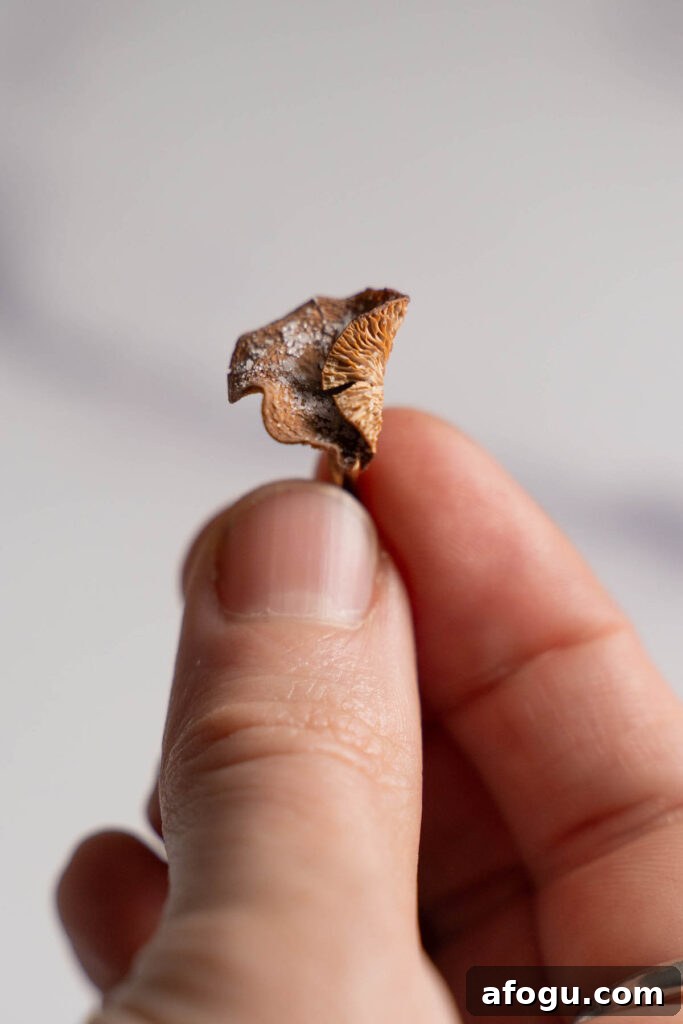
Candy caps are typically small with orange to cinnamon-colored caps and a strong, maple-like aroma once dried. Fresh specimens can smell less pronounced, but drying releases the full fragrance. Because they can resemble toxic species, careful identification is essential.
Key identification features include:
- Cap: Burnt orange to reddish-brown, usually under 2½ inches, sometimes slightly depressed in the center, with a dry, dull surface.
- Gills: Attached to the stem; crowded and pale to orange depending on maturity. Cutting the gills releases a watery milk (latex).
- Latex: White latex is characteristic of the Lactarius genus. The latex does not stain yellow and does not discolor the gills.
- Spores: Pale yellow or white.
- Texture: Brittle overall; stems often snap cleanly.
- Veil/ring/volva: Not present.
- Habitat: Forest floor or rotting wood in conifer or mixed hardwood stands.
- Smell: Sweet—maple, brown sugar, or caramel. Fresh mushrooms can be mildly spicy; dried ones are very potent.
Drying candy caps at home: Drying intensifies their flavor. Arrange mushrooms in a single layer on dehydrator trays and dry at about 110°F until they snap crisply. You can also air-dry them on baking sheets or a clean window screen; this may take a day or two depending on humidity. Once dry, store them airtight to preserve the aroma.
Always positively identify any wild mushroom before eating it. If you’re unsure, consult a local expert or reputable field guides, or opt to buy dried candy caps from a trusted source.
How strong is the flavor?
Candy caps are surprisingly potent. A teaspoon or two of powdered candy caps can flavor an entire batch of cookies. Because the flavor can become intense or slightly bitter if overused, start with a small amount and adjust to taste.
Where to buy candy caps
If you don’t live near their habitat or don’t forage, you can buy dried candy caps. They are commonly available from farmers markets, specialty mushroom purveyors, wild food shops, spice boutiques, and reputable online sellers. Always purchase from trusted sources to ensure quality and correct identification.
How to cook & bake with candy caps
These mushrooms are most useful when dried and concentrated. Below are practical methods and starting ratios to help you incorporate candy caps into sweets and drinks.
1. Grind into a powder
Grind dried candy caps to a fine powder in a spice or coffee grinder and mix into dry ingredients. Great for cookie dough, shortbread, cakes, quick breads, pancakes, and waffles.
Recommended ratio: 1–2 teaspoons powder per batch.
2. Infuse in cream or milk
Warm whole dried candy caps in cream or milk, then turn off the heat and steep 5–20 minutes with a lid on. Strain and use the infused dairy in custards, pudding, crème brûlée, ganache, ice cream, panna cotta, pastry cream, or even coffee.
Recommended ratio: 5–7 mushrooms per 1 cup of cream.
3. Infuse in butter
Melt butter gently with dried mushrooms, strain, and use the flavored butter in blondies, brown-butter cookies, frostings, toffees, caramels, and other butter-based candies.
Recommended ratio: 5–7 mushrooms per ½ cup (4 ounces) butter.
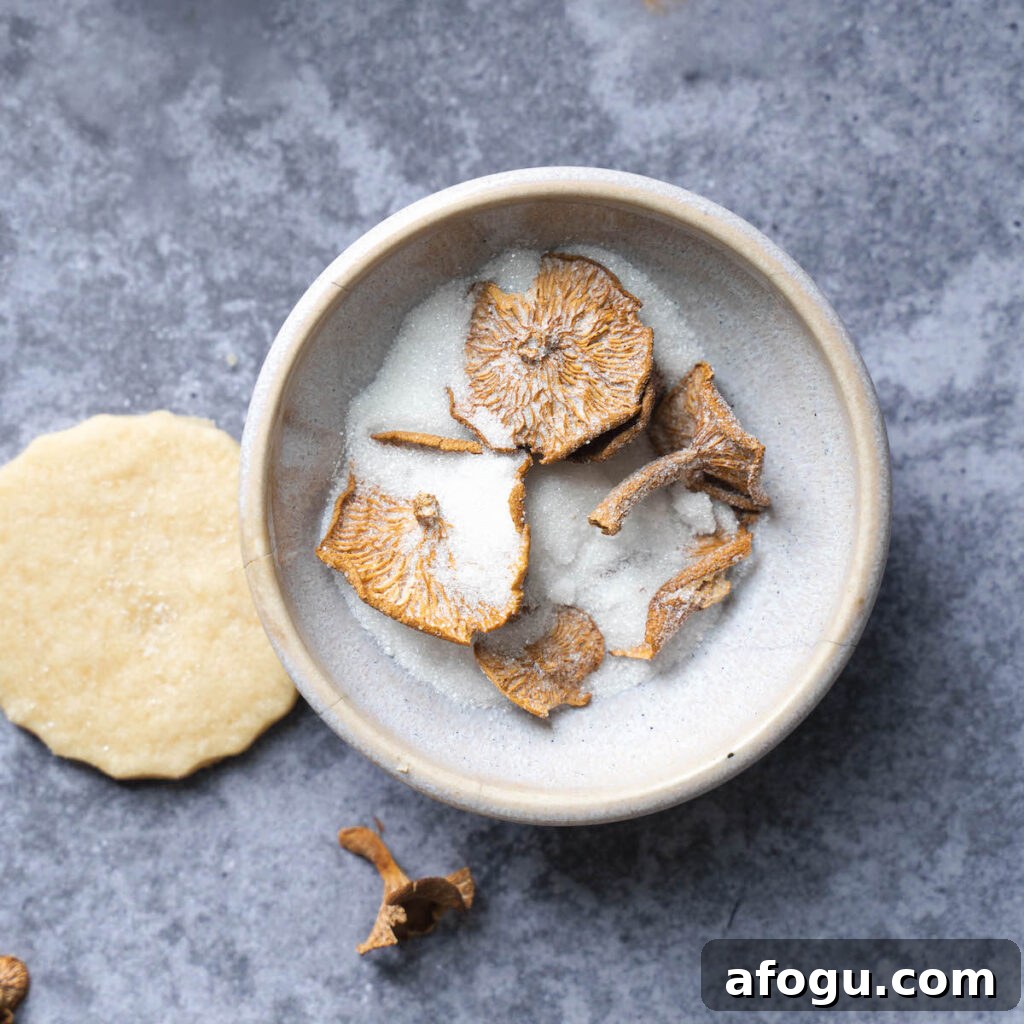
4. Infuse in sugar
Layer dried mushrooms and sugar in a jar and let sit for 1–2 weeks. The sugar absorbs the mushroom aroma and becomes a versatile baking and beverage sweetener.
Uses: Baking in place of regular sugar, flavoring coffee or tea, and gifting. Ratio: About ½ cup dried candy caps to 3 cups sugar. The mushrooms can often be reused once or twice more.
5. Make candy cap syrup
Simmer mushrooms in water and sugar until the sugar dissolves and the mixture thickens into an aromatic syrup, about 5–10 minutes. Use as a cocktail or mocktail sweetener, to moisten cake layers, flavor lattes, or as a maple-syrup substitute.
Recommended ratio: 8–12 mushrooms per 1 cup water.
How to store candy caps
Properly dehydrated candy caps keep for several years, though potency fades with time. To preserve aroma:
- Store in an airtight jar
- Include a desiccant pack if available
- Keep in a cool, dark place
- Avoid humidity and sunlight
- Use within one year for best flavor
Candy cap mushroom recipes
There are many creative ways to use candy caps in desserts and drinks. A few favorites to explore include candy cap sugar, candy cap caramel sauce, a candy cap caramel latte, candy cap shortbread cookies, and mini chocolate cakes with salted caramel. Each recipe highlights the mushroom’s maple-syrup aroma in different formats — powders, infusions, syrups, and baked goods.
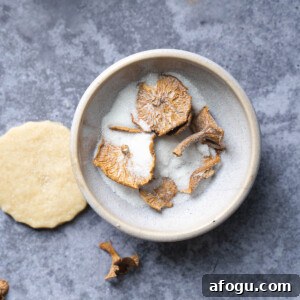
Candy Cap Sugar
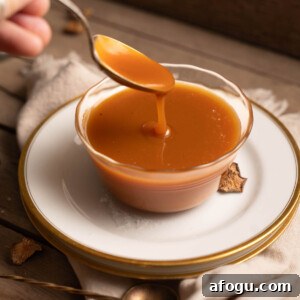
Candy Cap Caramel Sauce

Candy Cap Caramel Latte
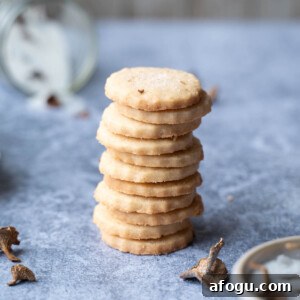
Candy Cap Shortbread Cookies
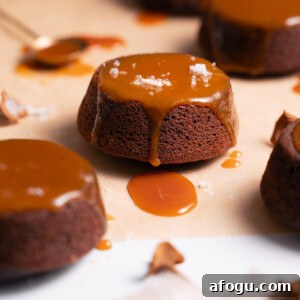
Mini Chocolate Cakes with Salted Caramel Sauce
FAQs
They smell and taste like maple syrup, burnt sugar, or caramel, with an earthy mushroom undertone. The sweetness is aromatic rather than purely sugary.
Yes, when properly identified. Take care when foraging wild mushrooms; if in doubt, buy from a reputable supplier.
You can, but they are far less aromatic fresh. Drying brings out the signature maple scent.
Weak aroma can result from old or poorly dried mushrooms or a less-potent batch. Lightly toasting them in a dry pan for 1–2 minutes can help revive the scent.
If you enjoy cooking with wild ingredients, explore more recipes in the recipe index or browse by category for additional ideas.
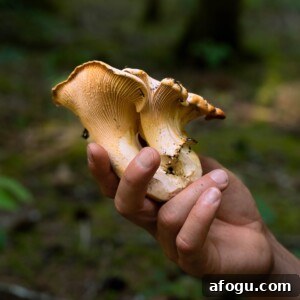 Mushrooms
 berries
 Greens & Herbs
 Flowers