
This lusciously creamy baked peanut satay ramen is a comforting, protein-packed dinner that practically makes itself. Designed as a simple “dump-and-bake” meal for busy weeknights, you add everything — noodles, sauce, chicken and greens — to a single baking dish and let the oven do the work. It delivers rich, slow-cooked flavor but takes only about 30 minutes from start to finish.

If you love saucy, slurpable noodles with bold peanut and coconut flavors, this easy baked satay ramen will be a fast favorite. It’s forgiving, low-effort, and endlessly adaptable — perfect for nights when you want something nourishing without fuss.
Why You’ll Love This Recipe
- Hands-off cooking: No stirring on the stove, no separate noodle boiling. Mix the sauce, add the noodles and protein, cover and bake.
- Customizable: Swap chicken for shrimp, tofu, rotisserie chicken, pork belly or beans. Use any greens or extra vegetables you like.
- Quick weeknight meal: Ready in about 30 minutes, making it ideal for busy families or anyone short on time.
Ingredients You’ll Need
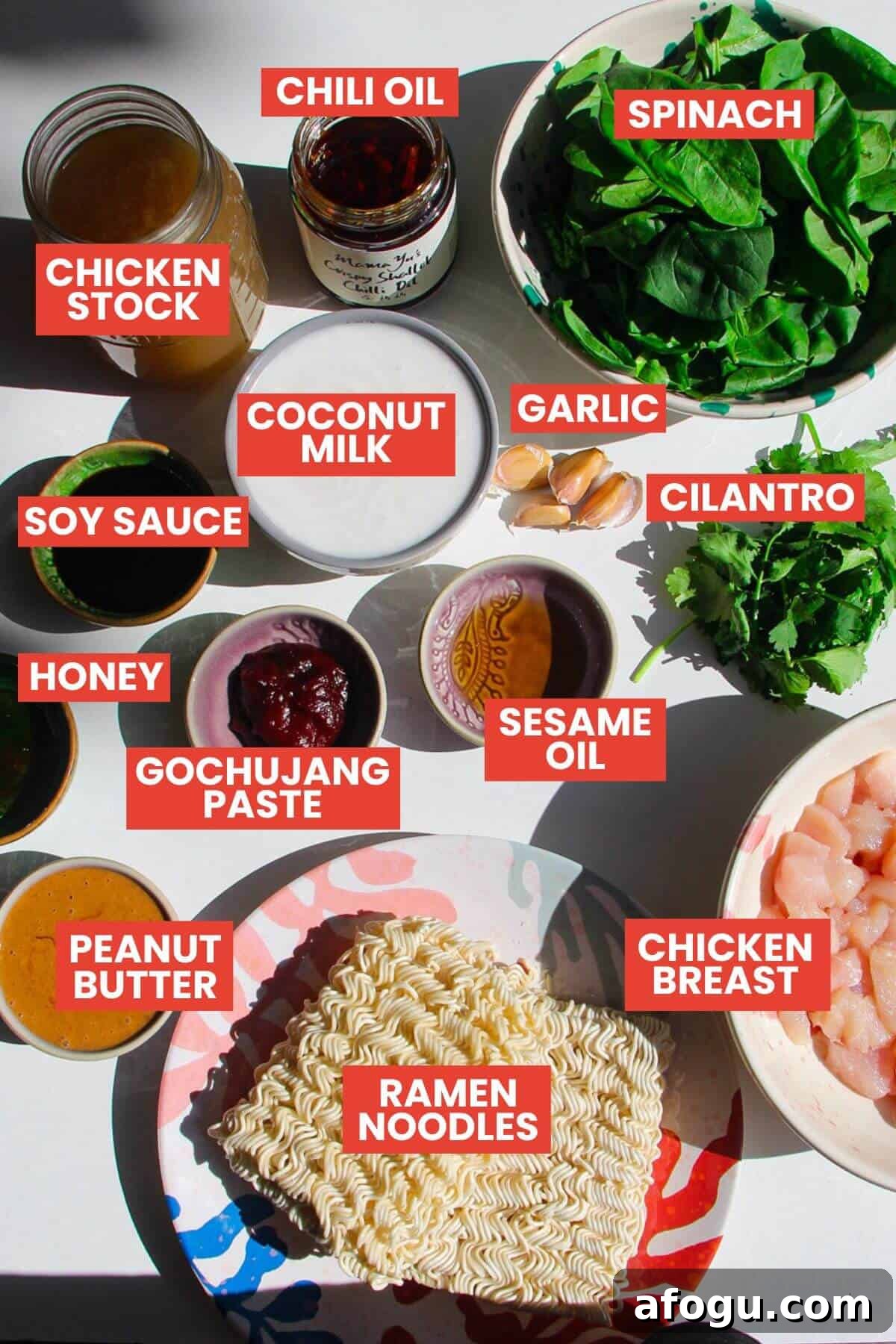
- Canned coconut milk: Use full-fat canned coconut milk (around 400ml) for the creamiest result.
- Ramen noodles: Two packets of instant ramen (discard the seasoning) work well, but any quick-dry wheat noodles are fine.
- Gochujang paste: Korean chili paste adds sweet, spicy umami. Red curry paste or sriracha can substitute if needed.
- Peanut butter: Use a good-quality peanut butter (ideally just peanuts and salt) for best flavor.
- Chicken breast: Thinly sliced breast or thighs. You can use pre-cooked shredded chicken or omit for a vegetarian version.
- Greens: Spinach is used here, but kale, bok choy or other leafy greens work well.
- Plus: chicken (or vegetable) stock, soy sauce, sesame oil, honey, fresh ginger and garlic.
How to Make Baked Peanut Satay Ramen
Below is a clear step-by-step overview. The full ingredient quantities and a printable method appear in the recipe section further down.
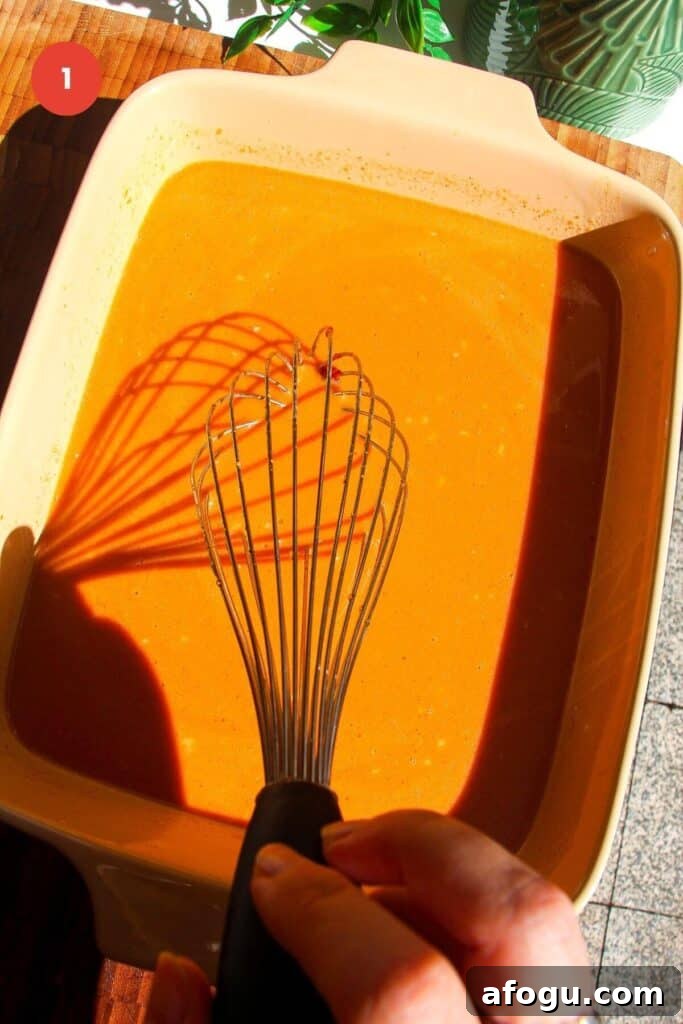
1. Combine sauce ingredients — coconut milk, stock, gochujang, peanut butter, honey, soy, sesame oil, garlic and ginger — in a baking dish. Whisk until smooth.
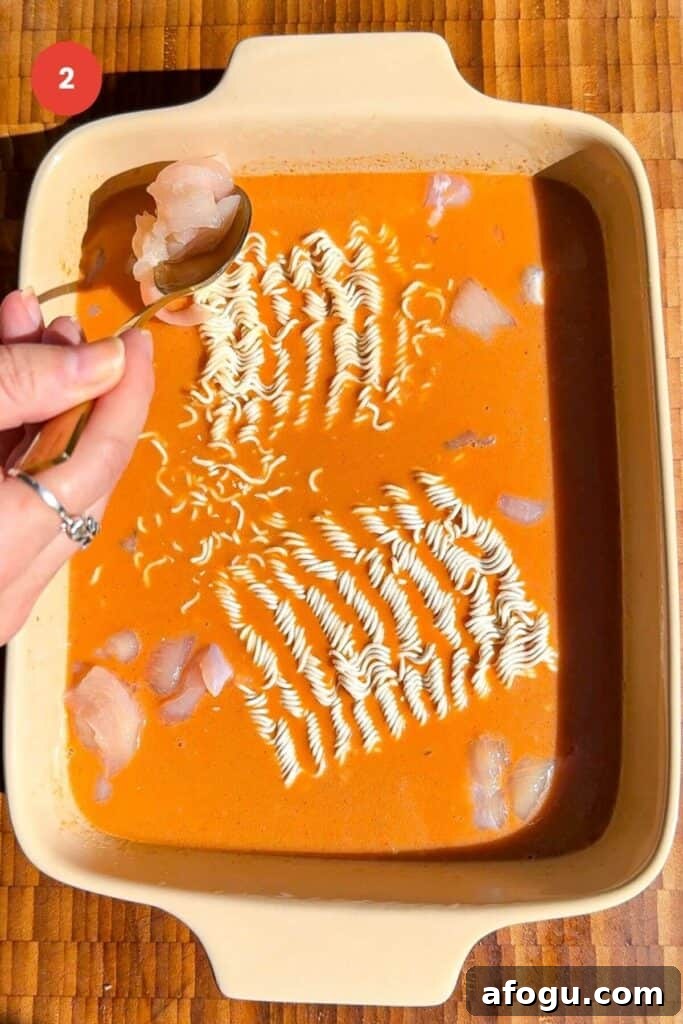
2. Nestle the ramen bricks or dried noodles into the sauce so they are mostly submerged. Scatter the thinly sliced chicken around the noodles.
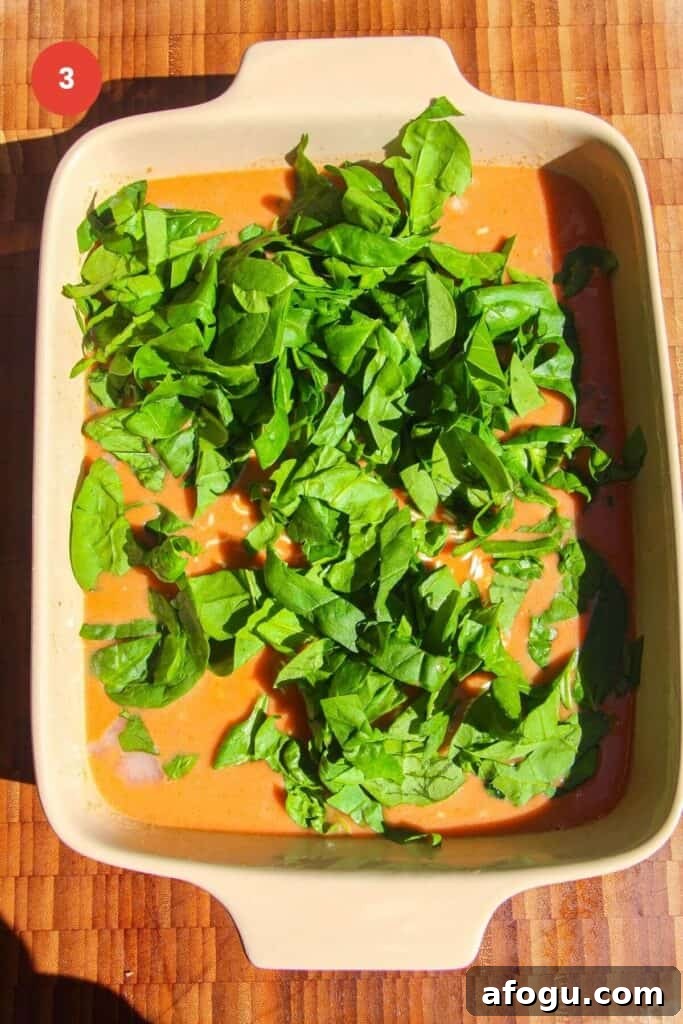
3. Scatter spinach or your chosen greens on top.
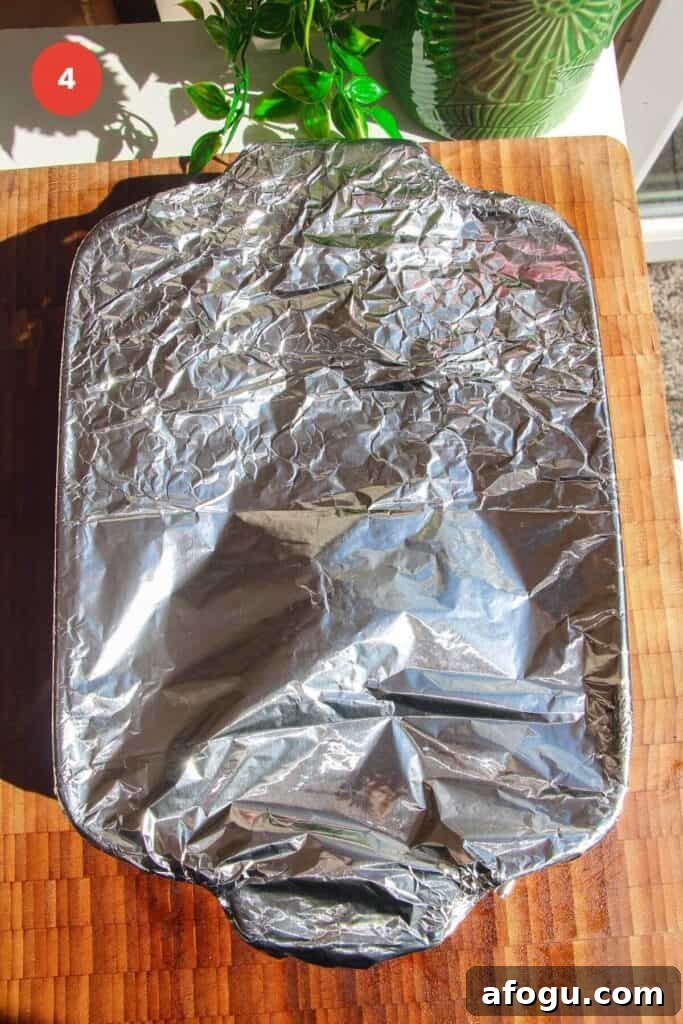
4. Cover tightly with aluminum foil and bake.

5. Remove the foil halfway through, mix the noodles so they soak in the sauce, then return to the oven uncovered to thicken the sauce.

6. Bake until the chicken is cooked through and the sauce is glossy and thickened.

7. Finish with a drizzle of chili oil, sesame seeds and cilantro.
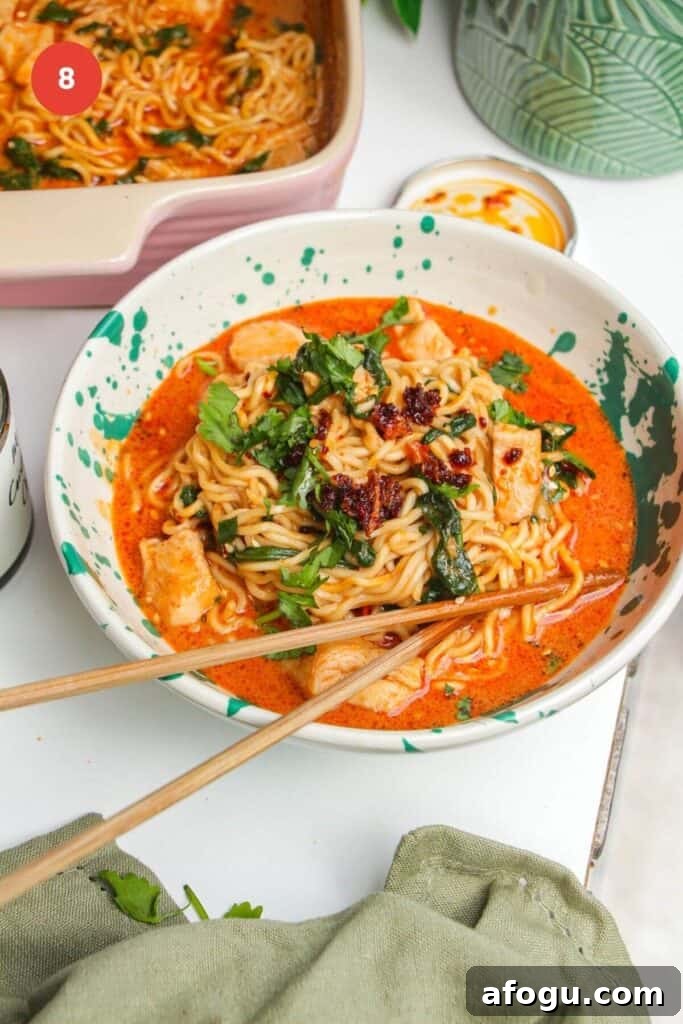
8. Serve the noodles, chicken and spicy coconut satay sauce hot in bowls and enjoy immediately.
Baked Peanut Satay Ramen FAQs
Can I use any noodles for this baked ramen?
Yes. Instant ramen bricks and other wheat-based dried noodles are ideal because they absorb liquid predictably. If using fresh noodles, reduce the stock slightly as they absorb less liquid. For rice or soba noodles, you may need a bit more liquid; adjust stock accordingly.
Do I need to cook the chicken first?
No. Thinly sliced raw chicken cooks in the sauce during baking. If you prefer, add pre-cooked shredded or rotisserie chicken after the first bake when you mix the noodles through, then return to the oven just to heat through.
Can I add extra vegetables?
Absolutely. Broccoli, bok choy, peas or a frozen mixed vegetable blend work well and can be added before baking or halfway through depending on how soft you like them.
Like this recipe? Try these cozy favorites next
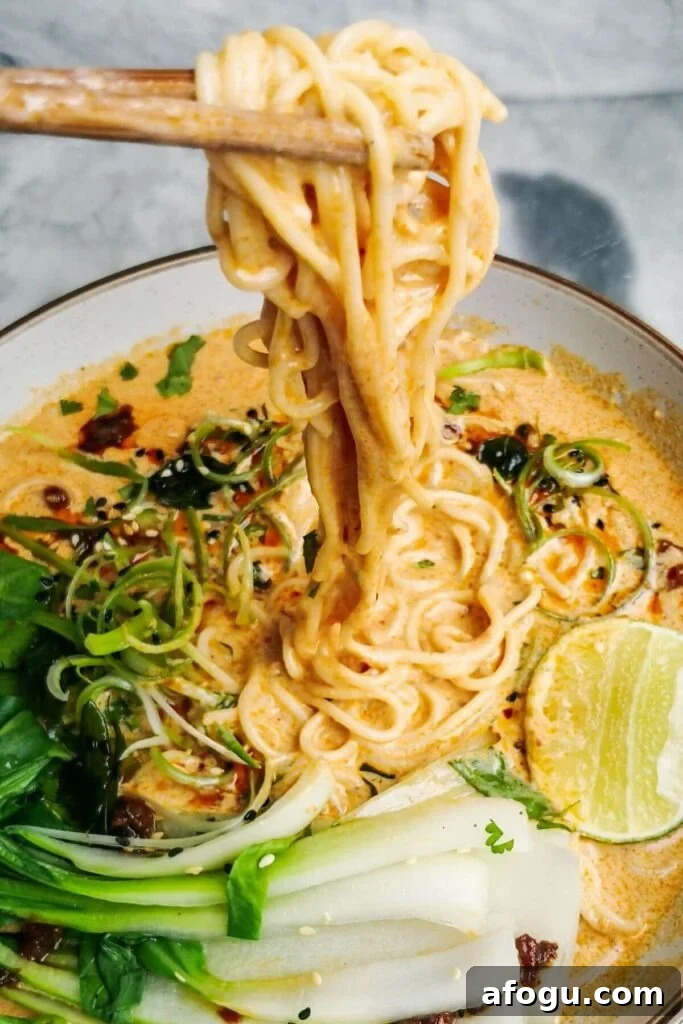



If you try this recipe, I’d love to hear how it turned out. Leave a comment and rating if you can — seeing your recreations always makes my day.
Easy Baked Peanut Satay Ramen (In 30 Minutes)
Prep Time: 5 mins • Cook Time: 25 mins • Total Time: 30 mins
Servings: 4 • Course: Main Course • Cuisine: Asian-inspired
Ingredients
For the baked satay ramen
- 1 can coconut milk (400ml / 13.5 fl oz)
- 1 ½ cups chicken stock (or vegetable stock)
- 2 tablespoons gochujang paste
- 3 tablespoons peanut butter
- 2 tablespoons light soy sauce
- 2 teaspoons sesame oil
- 1 tablespoon honey
- 1-inch piece ginger, grated
- 3 garlic cloves, crushed
- 8.5 oz ramen noodles (two packets, seasoning discarded) (240g)
- ½ lb skinless, boneless chicken breasts or thighs, thinly sliced (250g)
- 2 big handfuls of spinach (or substitute kale, bok choy)
To serve
- Chili oil
- Sesame seeds
- Handful of cilantro leaves
- 2 scallions, thinly sliced
Method
- Mix the coconut satay sauce. Preheat the oven to 400°F (200°C fan). In a baking dish combine the canned coconut milk, chicken stock, gochujang, peanut butter, soy sauce, sesame oil, honey, grated ginger and crushed garlic. Whisk until smooth.
- Add the noodles. Place the ramen bricks or dried noodles into the sauce, pressing them down so they are mostly submerged. Scatter the diced chicken around the noodles and top with spinach. Cover tightly with foil and bake for 15 minutes.
- Mix the noodles. Remove the dish from the oven, take off the foil and use a fork or chopsticks to loosen and mix the noodles through the sauce. Return the uncovered dish to the oven for another 10 minutes, until the sauce is bubbling and reduced to a thick, glossy consistency and the chicken is cooked.
- Garnish and serve. Drizzle with chili oil and sprinkle with sesame seeds, cilantro and sliced scallions. Divide between bowls and serve hot.
Nutrition
Per serving (approx.): Calories 480 kcal • Carbohydrates 38 g • Protein 28 g • Fat 24 g • Sodium 950 mg • Fiber 4 g • Sugar 7 g
Notes
Ingredient notes: Use wheat or egg-based dried noodles for best results. If using rice noodles reduce stock slightly. Slice chicken thinly so it cooks in the sauce. If gochujang is unavailable, red curry paste is a good substitute. Natural or smooth peanut butter both work.
Substitutions and additions: For a nut-free version try sunflower seed butter or tahini. Omit chicken for a vegetarian meal or use tofu, shrimp, or white beans. Add vegetables like broccoli, bok choy or peas to boost nutrition.
Make-ahead tips: The noodles will continue to absorb sauce as leftovers sit. When reheating, loosen with a splash of water or stock. Keeps up to 3 days in the refrigerator.